For Daniel L. Garcia, architecture begins before buildings appear. It starts with territory, climate, movement and memory, shaping relationships between people, land and ecology. As co-founder of Vamos Concept in Ho Chi Minh City, he develops urban visions that connect planning, resilience, community and place into living systems for tomorrow.
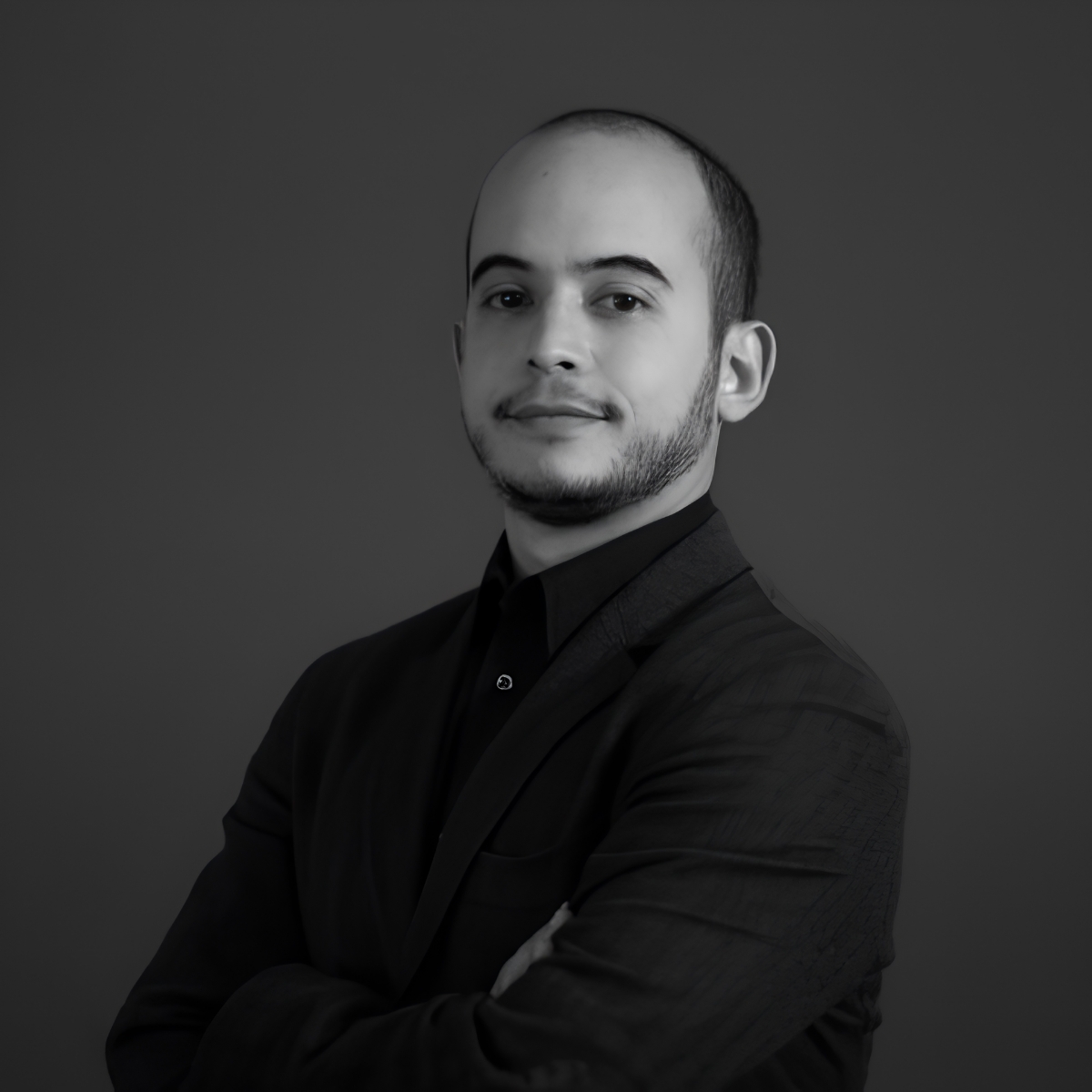
With more than 15 years of experience across Asia and an academic background spanning Europe and Latin America, Garcia brings a distinctly international perspective to urban design. His professional journey has taken him through large-scale developments, hospitality projects, mixed-use planning, public space regeneration and landscape-led infrastructure. Yet across these varied scales, one idea remains constant: cities must be designed as living systems, capable of adapting, absorbing and evolving.
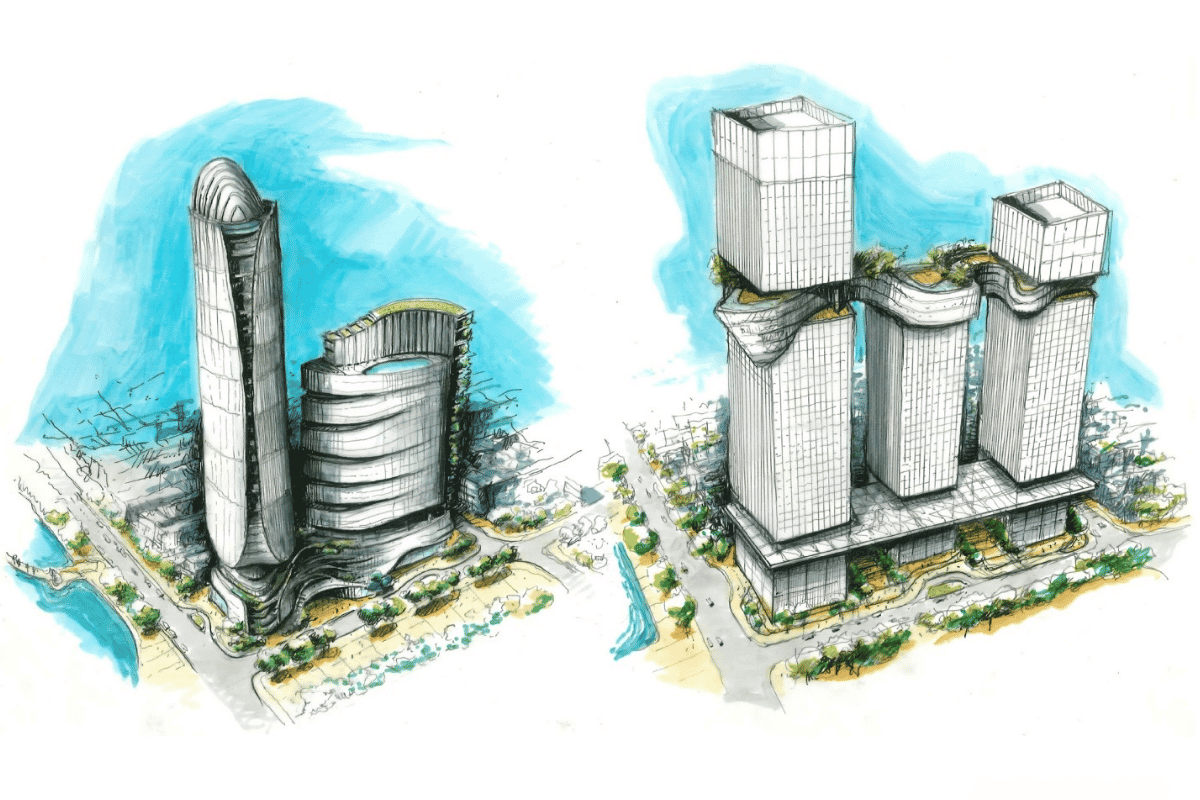 Garcia’s expertise emerges at the meeting point of infrastructure, landscape and architecture. He approaches urban development not as a purely technical process, but as a way to understand how cities move, gather, densify and adapt. In Southeast Asia, this perspective carries particular urgency, as rapid urbanization, climate pressure and evolving tourism patterns call for more intelligent and responsive spatial strategies.
At Vamos Concept, founded in 2019, Garcia leads multidisciplinary urban and architectural projects with a strong focus on climate resilience, landscape infrastructure and sustainable tourism. The practice reflects his belief that design should not only create destinations, but also protect ecosystems, strengthen local identity and support long-term territorial value. From master planning to eco-district thinking, his work looks for balance between development and continuity, ambition and responsibility.
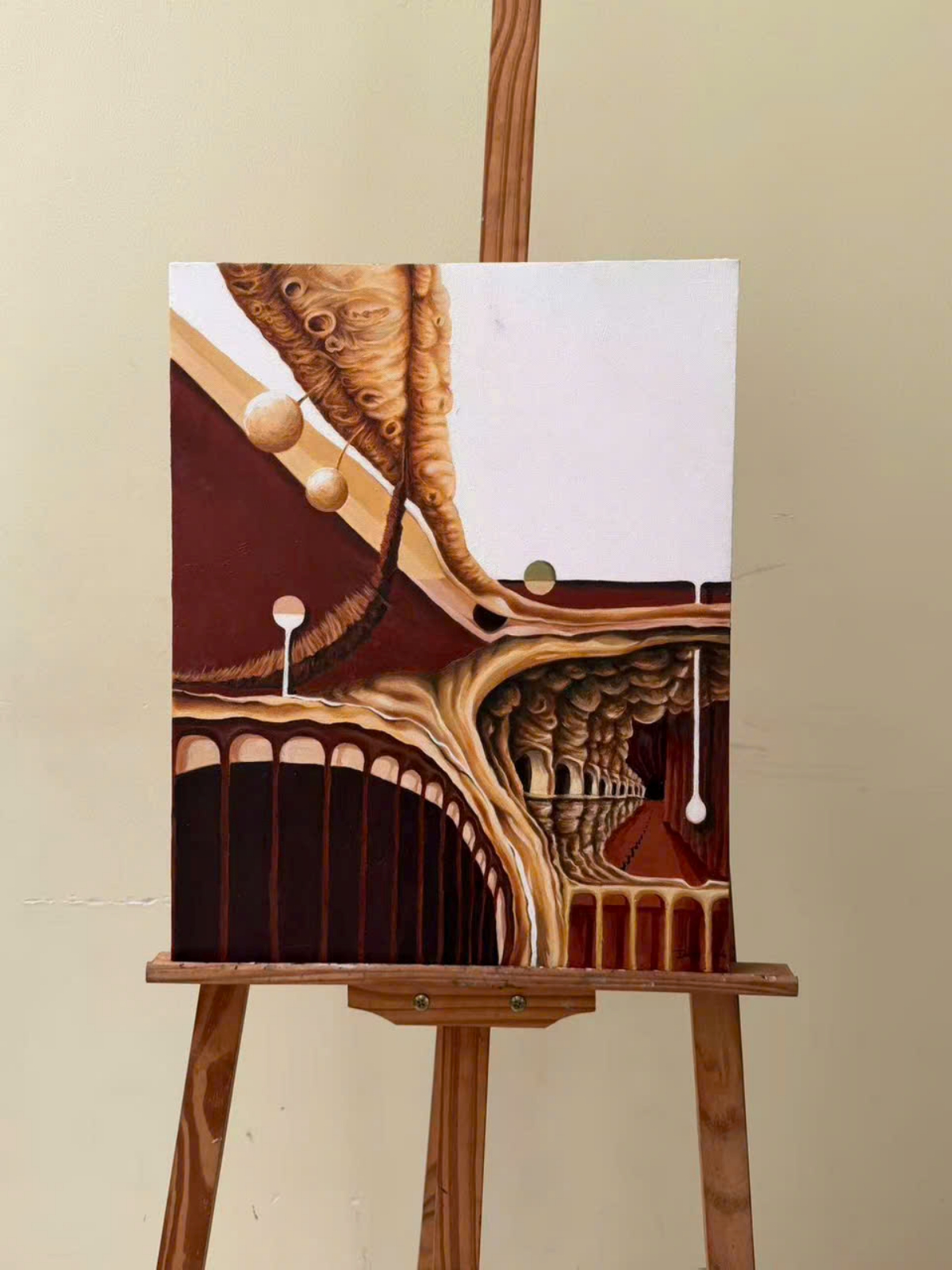
His background also includes deep engagement with informal settlements, community-based design and urban acupuncture. These areas reveal a more human dimension of his practice. For Garcia, the city is not only measured through hectares, infrastructure networks or investment potential. It is also read through everyday gestures: how people move, gather, adapt, trade, rest and belong. Urban acupuncture, in this sense, becomes a way of intervening with precision and care, creating small but meaningful changes that can shift the life of a neighbourhood.
His previous roles in Shanghai, Kuala Lumpur, Hanoi and Ho Chi Minh City further expanded this perspective. Across architectural and planning studios, he contributed to projects involving housing, hospitality, transit-oriented development, public realm design and regional redevelopment. These experiences gave him a practical understanding of how urban visions are negotiated among consultants, authorities, developers and communities.
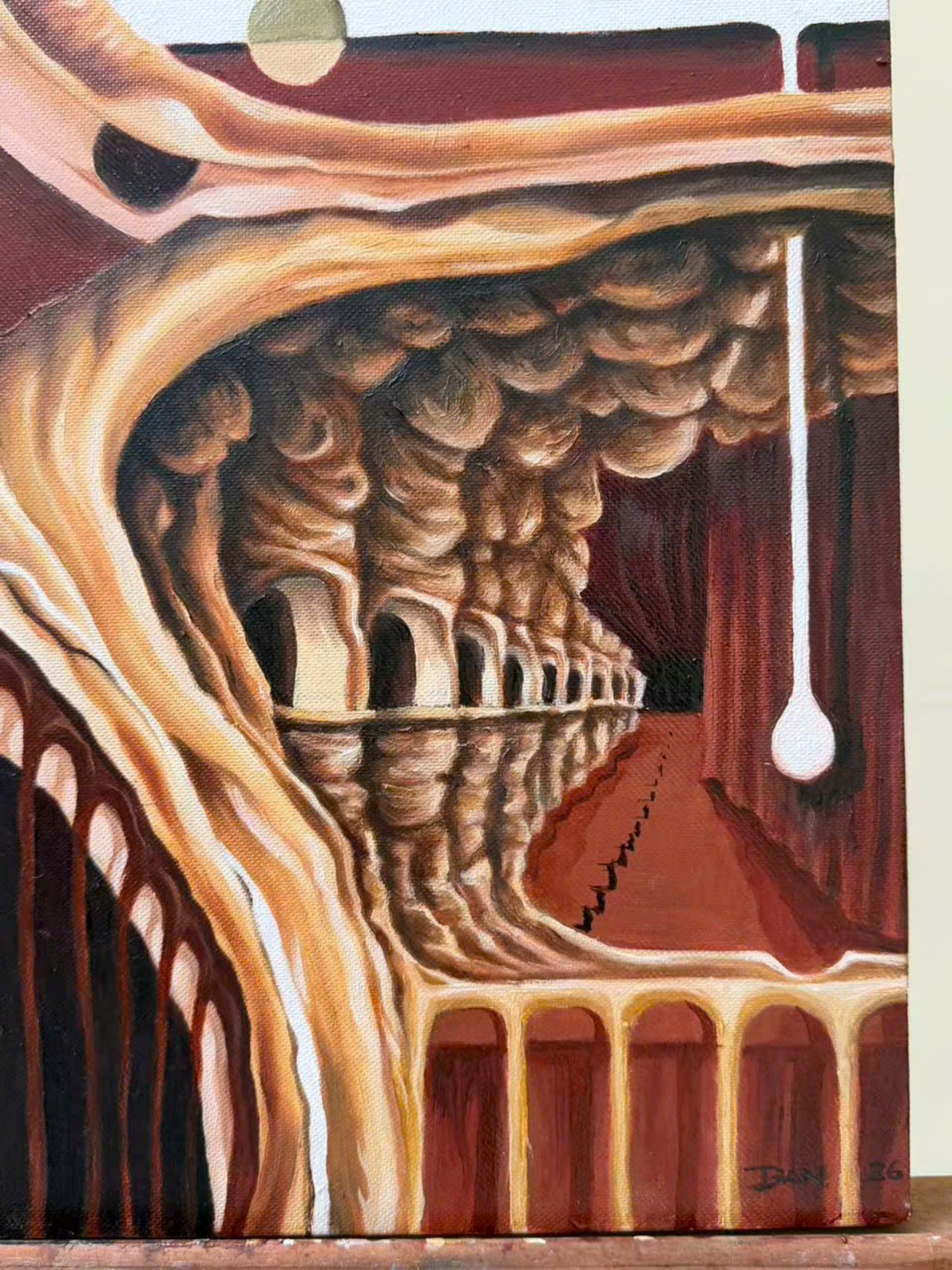
Today, Daniel L. Garcia’s work through Vamos Concept represents a thoughtful form of urban practice for a changing region. It is not architecture as object, nor planning as abstraction, but a layered discipline of listening, coordinating and imagining. His projects ask how cities can grow without losing their landscape, how tourism can support rather than consume place, and how resilience can become a design language rather than a technical requirement.
In his hands, urbanism becomes a form of cultural and environmental care. It is a way of reading the future through the ground beneath us, and of designing spaces where people, nature and infrastructure can coexist with greater intelligence.