Operating between Taiwan and Vietnam, the mindful fashion practice known as HorngWave approaches sustainability not as a passing trend, but as a continuous dialogue with the past. By meticulously deconstructing and reimagining existing garments, the designer transforms forgotten textiles into evolving narratives of memory, labor, and identity.
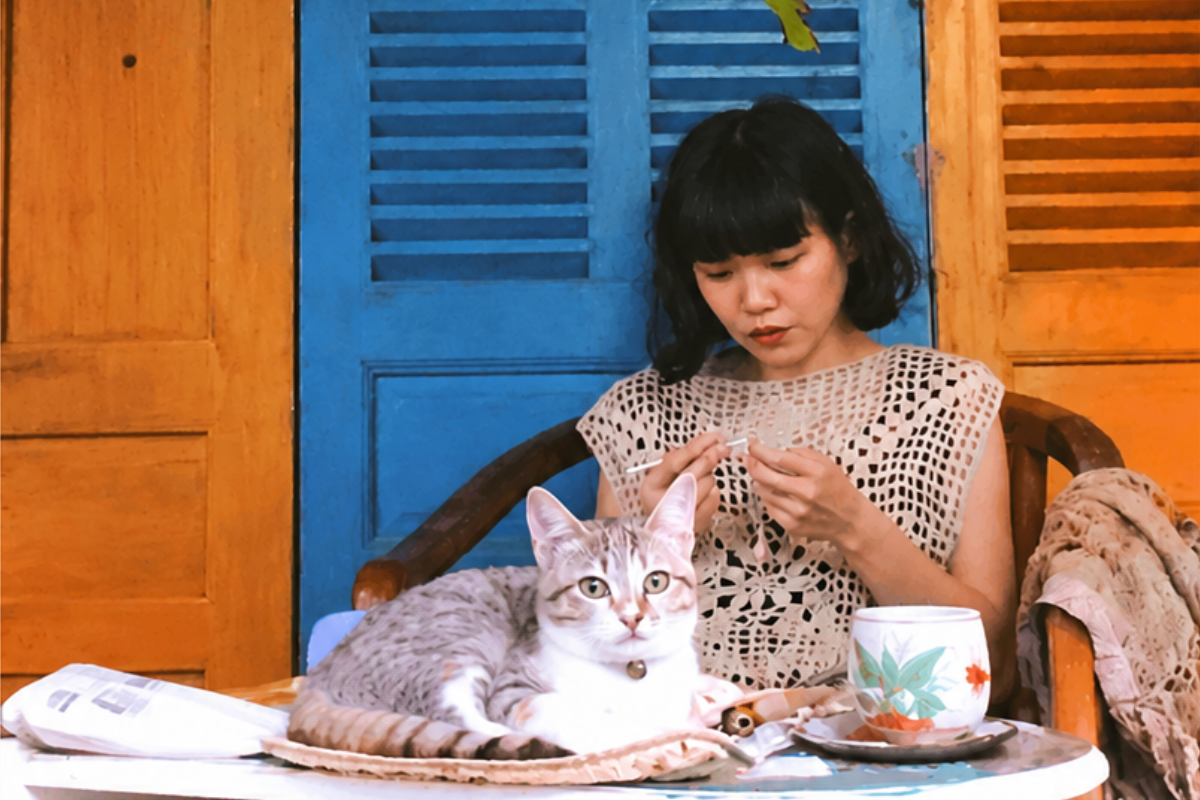
The identity of the practice is deeply woven into the fluidity of language. The name "Horng" (虹) translates to rainbow in Chinese, capturing a dynamic energy that embraces constant movement rather than fixed permanence. When the designer relocated to Vietnam, the pronunciation "Hồng" took on a new, localized resonance, evoking the warmth and vibrant color of blossoms. This linguistic shift perfectly mirrors the studio's core ethos. Just as a word can change its meaning while remaining profoundly true, a garment can leave its original context and find a completely new rhythm without losing its essential character.
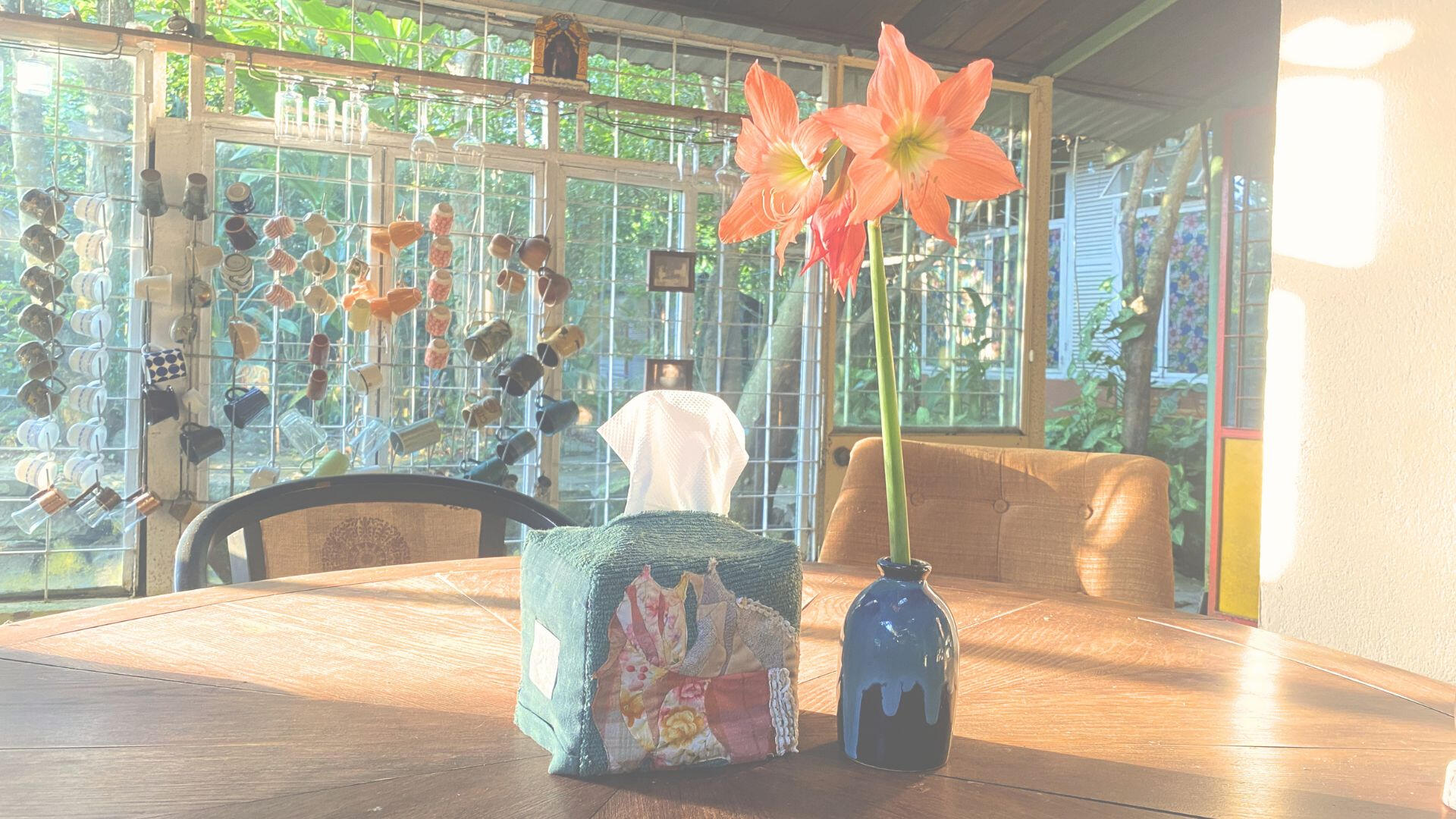
At the heart of HorngWave’s creative philosophy is a radical commitment to observation before intervention. Instead of forcefully cutting apart discarded shirts or abandoned uniforms with scissors, the designer employs a slow, deliberate method called the "Quick Unpick". Every garment is carefully opened seam by seam, an act beautifully described as "reading" the textile. This meticulous dismantling process preserves the hidden, intimate histories of the fabric. Stitch lengths, original seam allowances, manufacturing techniques, and old repair marks are not erased; instead, they become visible, celebrated components of the next creation. To HorngWave, understanding a garment's past is the very first, and most crucial, act of true sustainability.
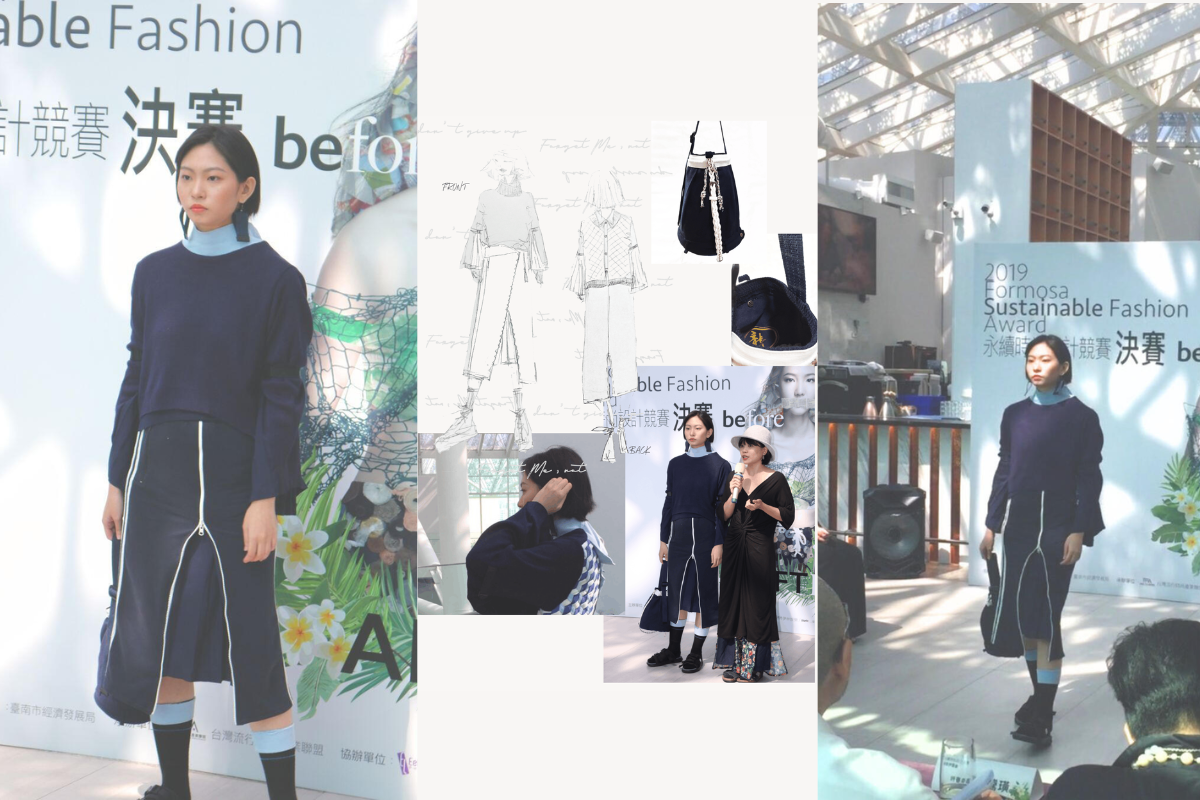
This philosophy manifests in a diverse range of narrative-driven garments. The 2019 project "WHO'S UNIFORM" laid the foundation, reconstructing familiar workwear to question who a uniform serves and how its meaning shifts upon transformation. This introspective approach evolved into the "Genie" series, a language of reversible construction built upon a discovered geometric rhythm of twenty-nine circles and squares. The resulting Genie Tote, crafted from reclaimed denim, allows the bag to be worn inside out, offering two distinct expressions while preserving its original memory.
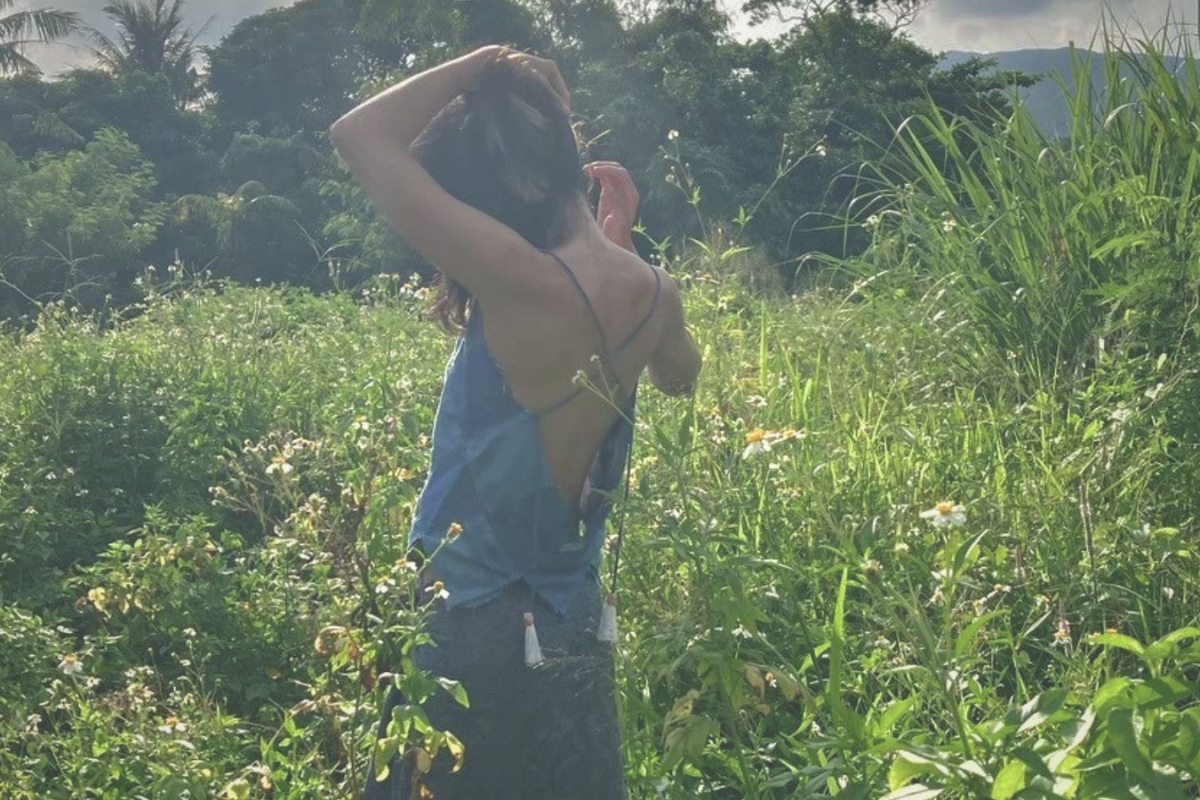
The practice also actively collaborates with local communities, vividly seen in the "Micha" project with a Da Nang second-hand store. Here, damaged and unsold garments are salvaged and transformed into innovative, four-in-one reversible prototypes, bridging the gap between discarded surplus and creative possibility. Similarly, the traditional Áo Yếm is reimagined through intuitive draping, designed to be worn from either side to elevate hidden interior details to the surface.
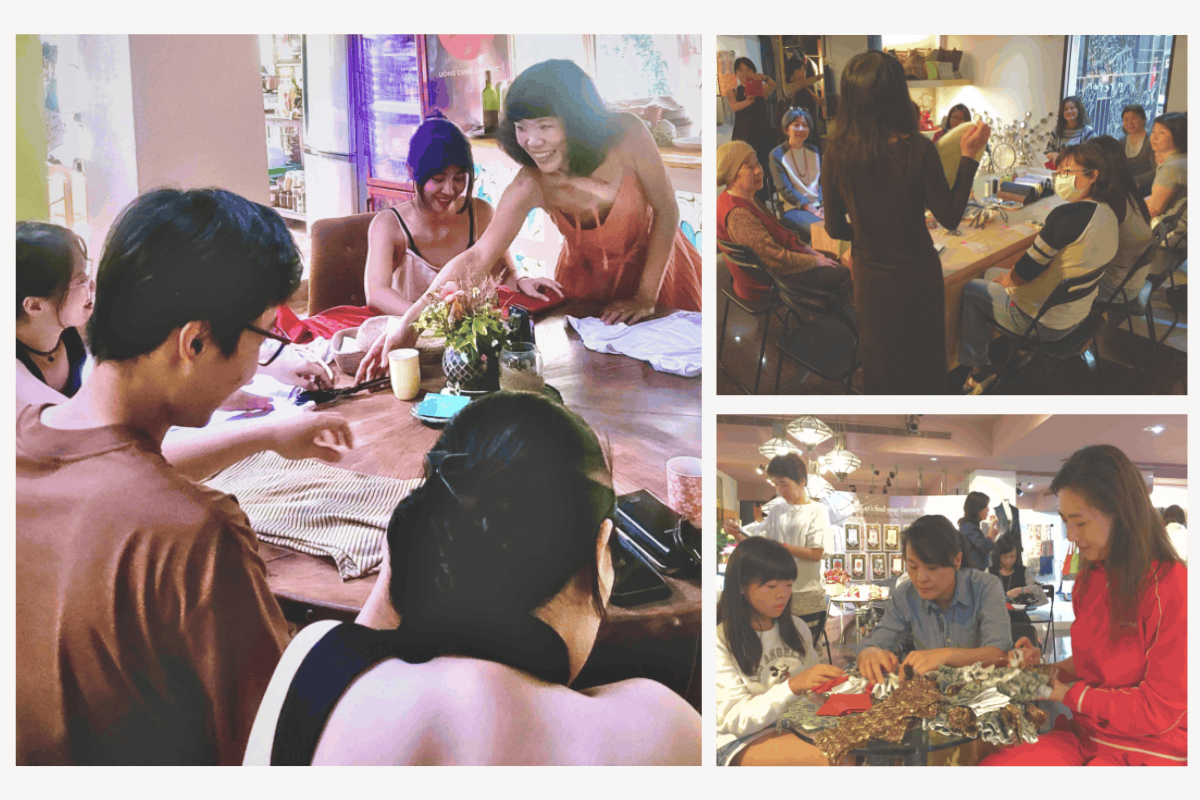
Through projects such as Áo Yếm, HorngWave also brings the body back into the conversation. Draping, movement, and reversibility allow the garment to remain open, changing with the wearer rather than closing into a single fixed design.
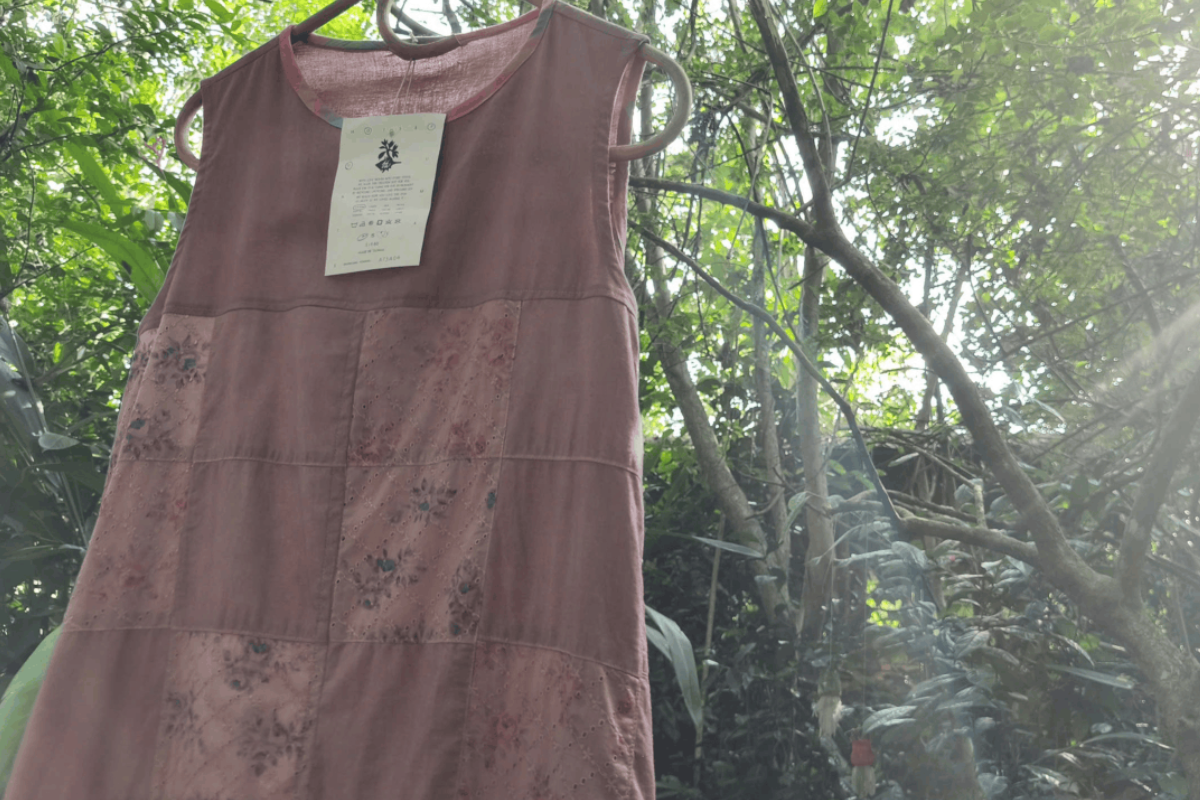
What makes HorngWave compelling is not only its commitment to reuse, but its sensitivity to continuity. It reminds us that fashion does not always need to begin with newness. Sometimes, its most meaningful future begins with looking carefully at what has already been touched, worn, forgotten, and loved.