Between leaves, shadows, and fading impressions, Ruben Martinez creates works shaped by memory, imperfection, and the fragile poetry of nature. Through organic textures and delicate processes, his art transforms fleeting moments into quiet emotional landscapes, inviting viewers to slow down, reflect, and rediscover beauty within transience, stillness, and time.
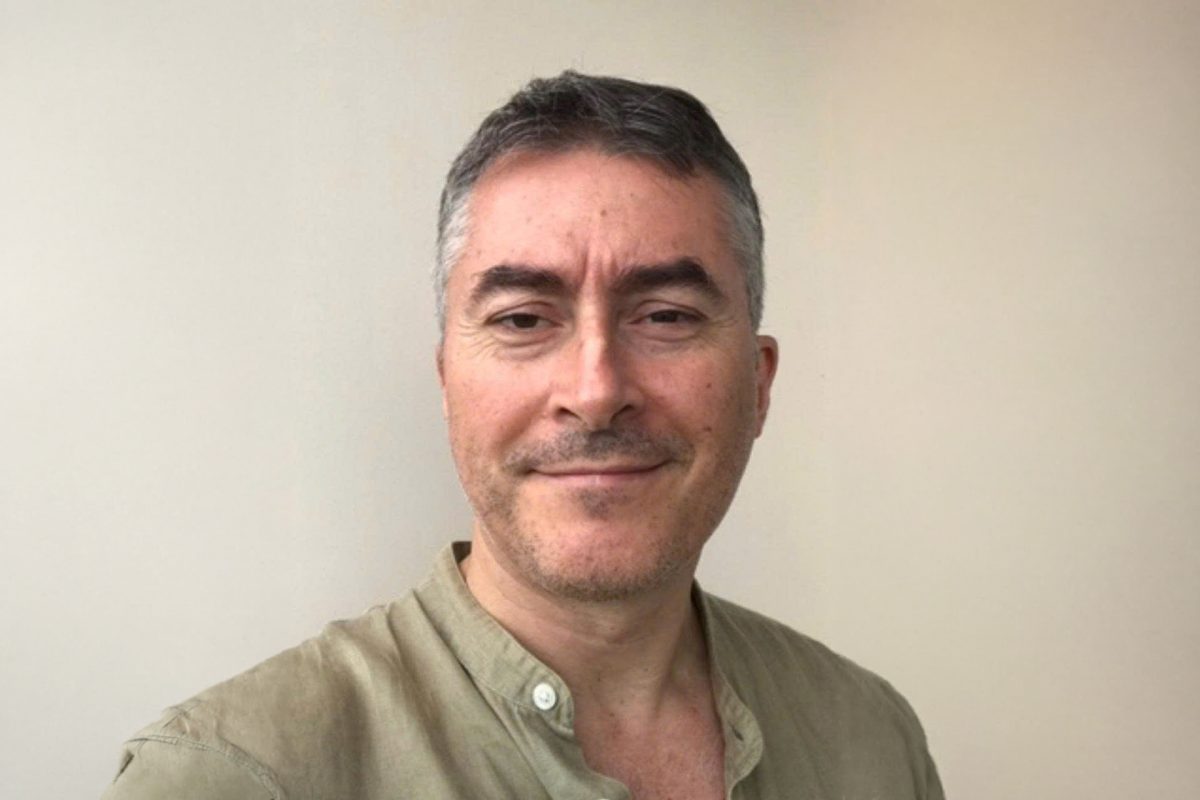
In a world often driven by speed, precision, and permanence, the work of Ruben Martinez unfolds with remarkable softness. His artistic universe exists somewhere between memory and nature, between what remains and what slowly disappears. Through leaves, textures, shadows, pigments, and time itself, the Barcelona born artist creates poetic compositions that feel less like objects and more like emotional traces quietly left behind.
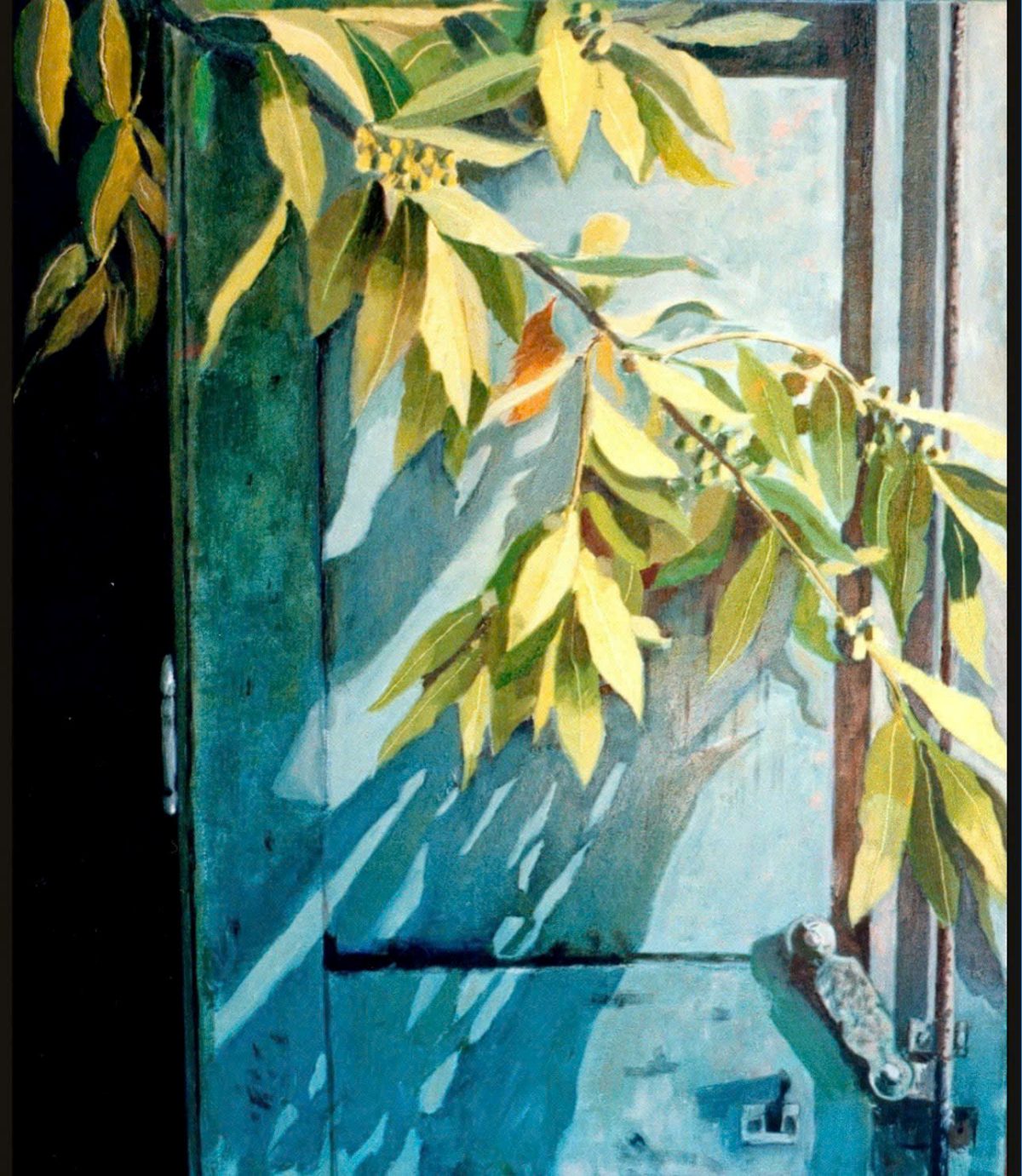
Living and creating in Saigon, Ruben has developed a practice deeply rooted in observation and contemplation. Nature is not simply a visual reference within his work but rather an active collaborator. Leaves become imprints of time. Imperfections become part of the narrative. Fragility itself becomes beautiful.
Much of his recent work explores the philosophy of Wabi Sabi, the Japanese aesthetic centred around impermanence, irregularity, simplicity, and the quiet acceptance of imperfection. Rather than resisting decay or attempting to control every detail, Ruben allows unpredictability to shape the creative process organically. Stains, marks, fading colours, and subtle distortions are embraced as essential parts of the final composition, giving each piece a deeply human and emotional quality.
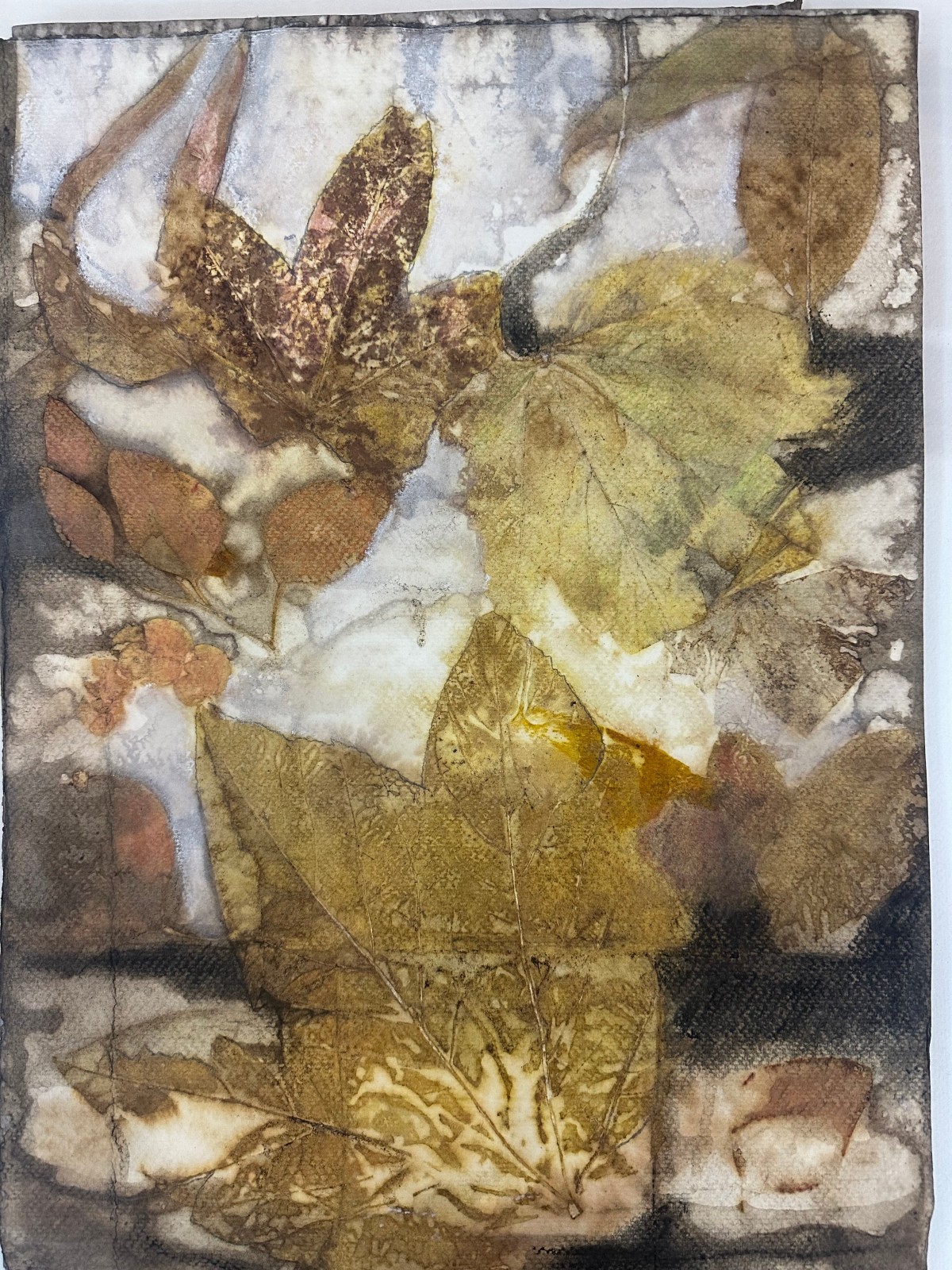
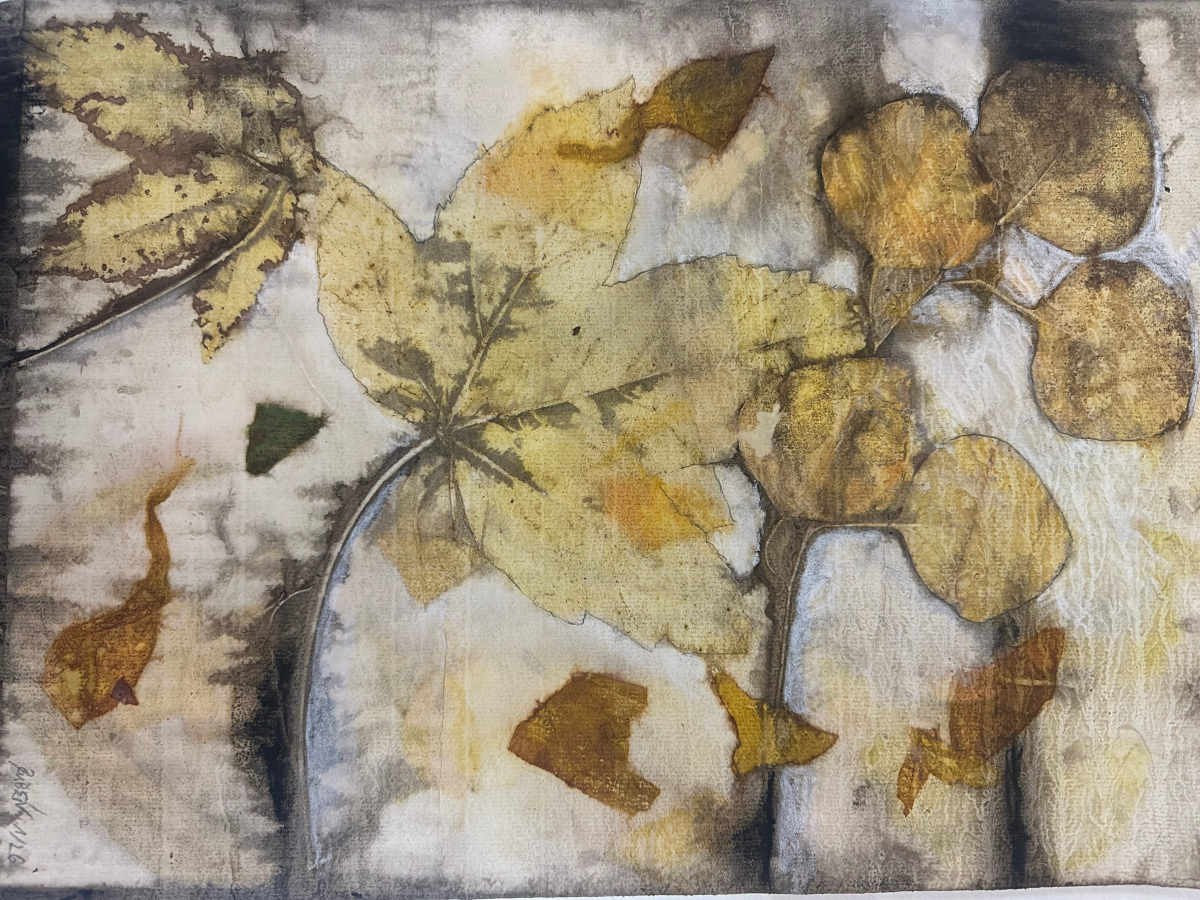
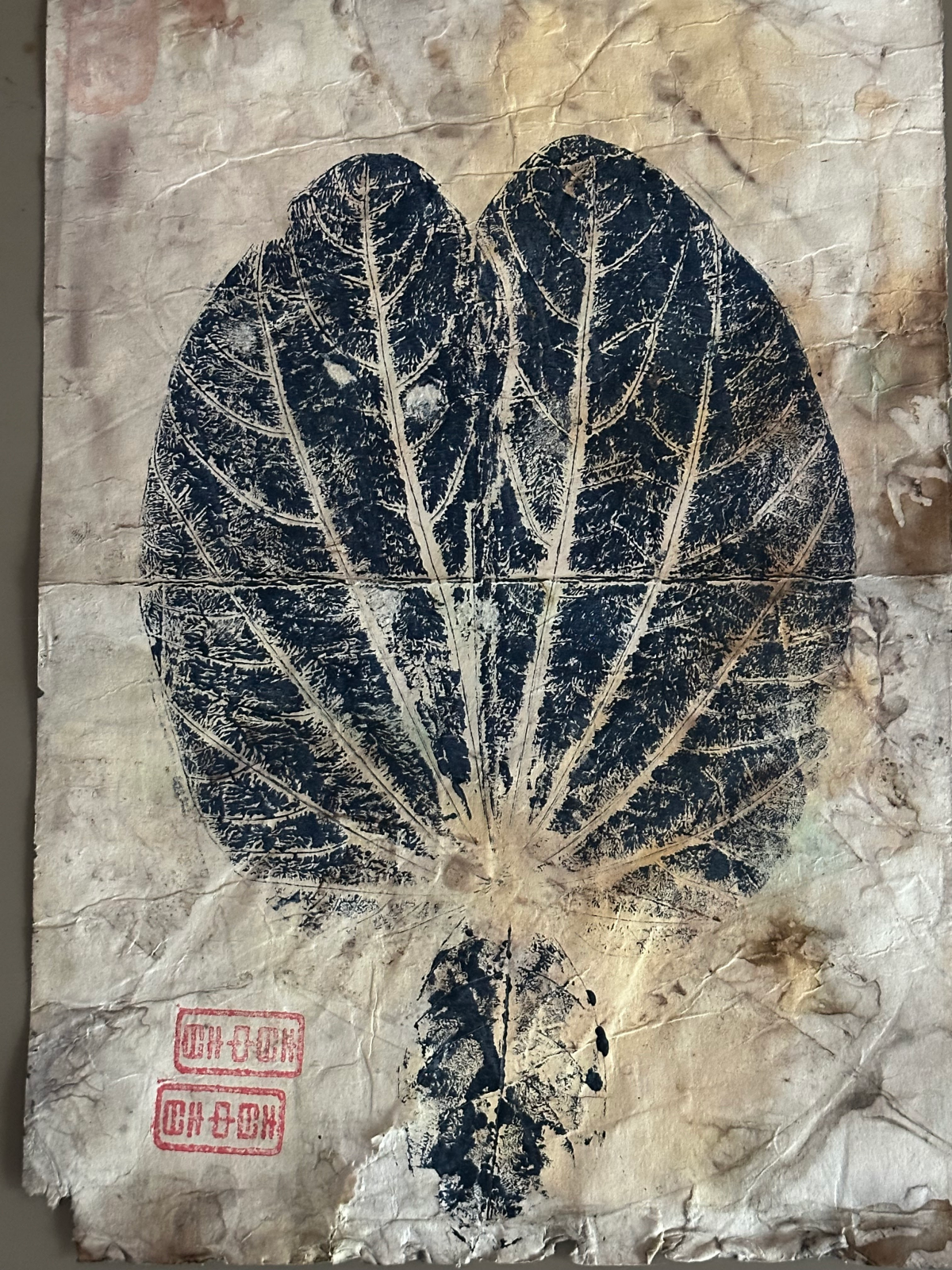
This sensitivity is particularly visible in his Fitoprinting series, where nature leaves its own physical memory upon paper and fabric. Using leaves, natural pigments, pressure, heat, and handcrafted preparation techniques, Ruben transforms organic matter into delicate visual impressions. Each work captures something fleeting, a season, a movement, a fragment of light, a passing moment in nature that can never be repeated in exactly the same way again.
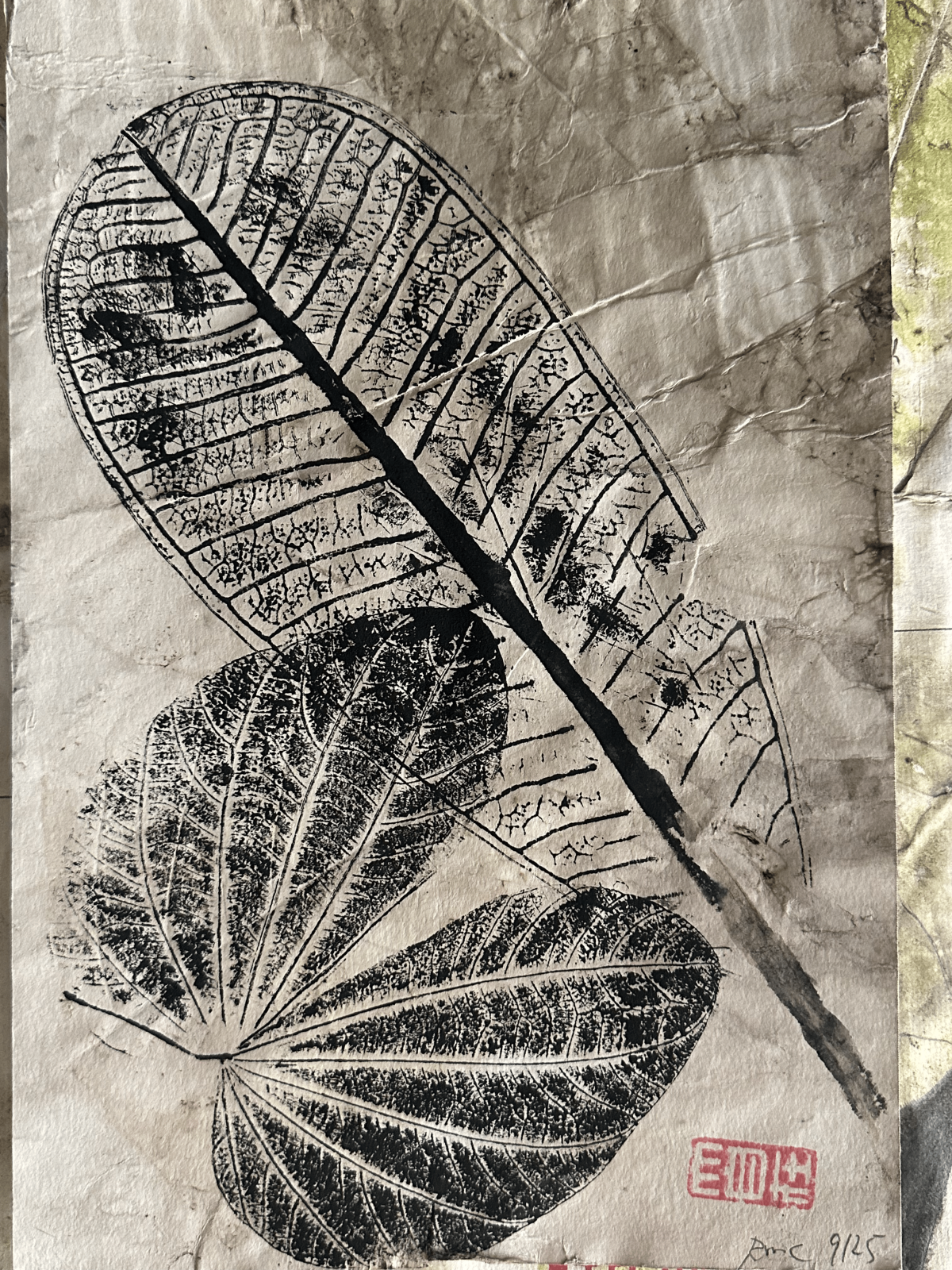
The process itself is slow and intimate. Leaves are carefully selected not only for shape but for texture, emotion, and the marks they may leave behind. Pigments emerge gradually through cooking, pressing, drying, and waiting. Time becomes part of the artwork. Chance becomes part of the composition. What appears simple on the surface reveals layers of patience, silence, and contemplation beneath.
Before dedicating himself fully to artistic exploration, Ruben refined his artistic foundation through oil painting, watercolour sketching, engraving, etching, linocut, and multimedia experimentation under several Spanish artists and tutors, while also completing a studio residency at the Instituto Lorenzo de Medici in Florence. Across the years, his practice has moved fluidly between still lifes, portraits, urban landscapes, nudes, printmaking, and contemporary organic works, creating an artistic language shaped by both classical discipline and emotional sensitivity.
The influence of artists such as Caravaggio, Giorgio Morandi, Lucian Freud, Modigliani, and Rodin can be subtly felt through his relationship with light, texture, stillness, and human vulnerability. Yet Ruben’s visual world remains deeply personal, balancing European artistic sensibility with the quiet rhythms and atmosphere of life in Vietnam.
There is also a deeply romantic dimension to his work, though never in an overt or theatrical manner. Instead, emotion exists quietly within absence, subtle gestures, faded textures, and restrained palettes. His compositions evoke the feeling of old memories gently resurfacing, fragments of places once visited, moments already gone, or emotions difficult to fully articulate through words alone.
Over the years, Ruben has exhibited works in Barcelona, Palma de Mallorca, and Saigon, including recent presentations of his Fitoprinting series at Soma and Melia Ho Tram Beach Resort. Yet regardless of medium or setting, a sense of quiet intimacy remains constant throughout his practice.
Through his evolving body of work, Ruben Martinez reminds us that beauty does not always arrive through perfection or permanence. Sometimes it exists within fading traces, delicate imperfections, and the fragile moments we often overlook. In his hands, leaves become memories, textures become emotions, and silence itself becomes art.