Luxury travel is entering a new era. Beyond sustainability, a growing number of visionary hotels, lodges and travel pioneers are embracing regenerative hospitality, an approach that seeks not only to protect extraordinary destinations, but to restore ecosystems, strengthen local communities and leave every place richer than it was before.
For decades, responsible travel has been guided by a simple principle: leave no trace. Hotels reduced plastic consumption, embraced renewable energy and sourced local ingredients, while travellers became increasingly conscious of their environmental footprint. Sustainability evolved from a niche movement into an industry benchmark, reshaping the way destinations welcomed the world. Today, however, that benchmark is no longer enough.
Across the luxury travel landscape, hoteliers, conservationists and travel visionaries are embracing a more ambitious philosophy. It asks not simply how tourism can minimise harm, but how it can actively restore the places that make every journey possible.
.png)
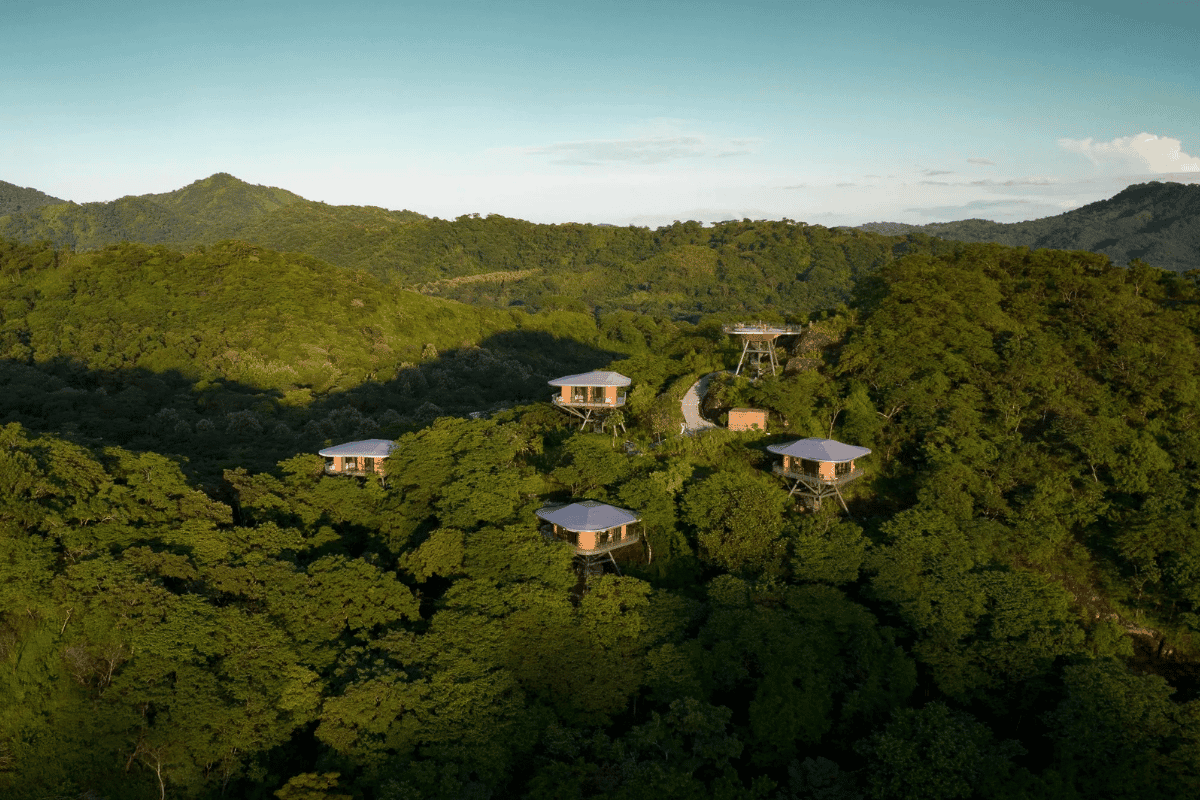
Few & Far Luvhondo
Known as regenerative hospitality, this emerging movement represents a profound shift in thinking. Sustainability seeks to preserve what already exists. Regeneration strives to improve it. The ambition is no longer simply to protect fragile ecosystems or support local communities, but to ensure they flourish because tourism exists.
For today's discerning traveller, this marks a significant evolution in the meaning of luxury. Increasingly, the value of a stay is measured not only by exceptional accommodation or impeccable service, but by the positive legacy it leaves behind.
From Preservation to Restoration
Although the concept of regenerative tourism first emerged nearly two decades ago, it has only recently gained meaningful momentum within the global hospitality industry. As conversations surrounding climate change, biodiversity and cultural preservation have intensified, many industry leaders now regard sustainability as the foundation rather than the destination.
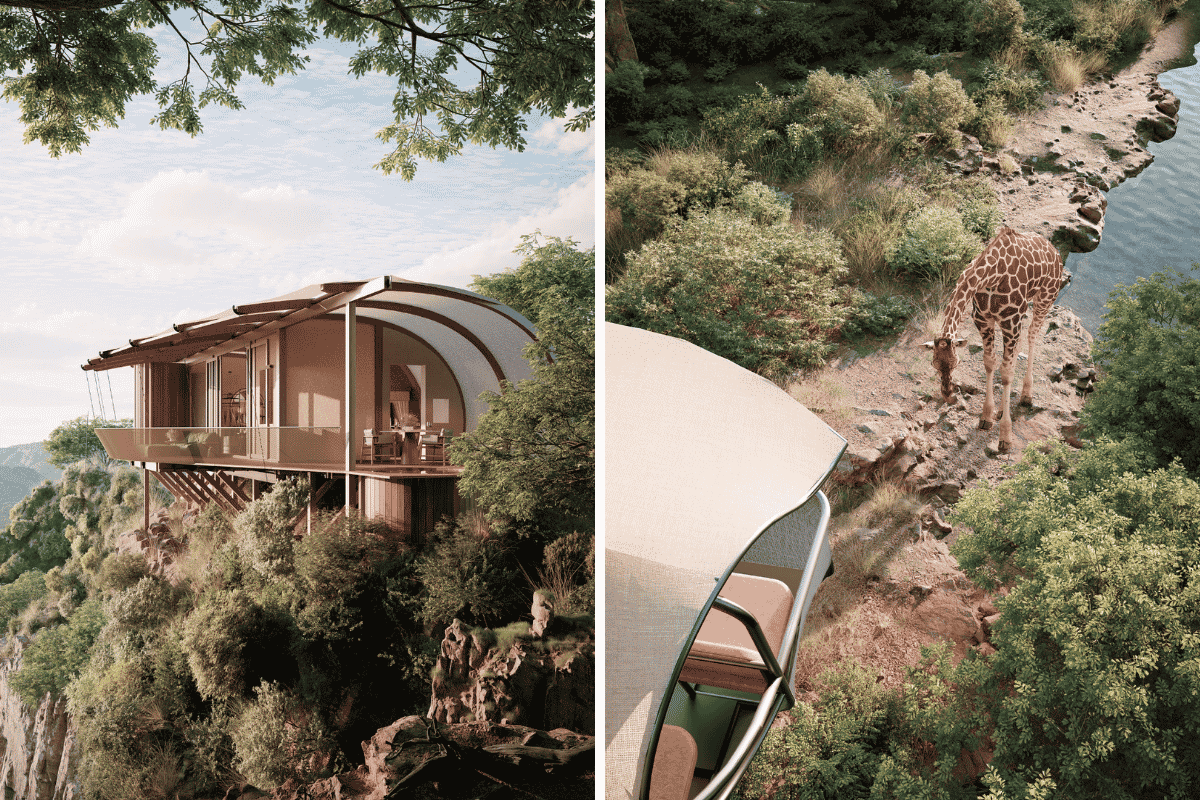
Few & Far Luvhondo
Unlike conventional sustainability programmes, which often focus on reducing environmental impact, regenerative hospitality adopts a broader perspective. It considers thriving ecosystems, resilient communities, cultural continuity and long term prosperity as interconnected parts of every destination.
Success is therefore measured differently. Beyond lower emissions and reduced waste, hotels are asking more meaningful questions. Has biodiversity improved? Have local livelihoods become stronger? Has cultural heritage been preserved? Will future generations inherit a healthier destination because of today's visitors? These are undoubtedly more ambitious goals, yet they also offer far greater opportunities.
Nature as the Ultimate Luxury
Some of the most inspiring examples are emerging where nature itself is the greatest luxury. Within South Africa's UNESCO listed Vhembe Biosphere Reserve, Few & Far Luvhondo demonstrates how hospitality can become a catalyst for ecological renewal. Operating as a carbon negative lodge, the property combines biophilic architecture with large scale rewilding initiatives that are restoring thousands of hectares of degraded land. Guests are encouraged to participate directly in conservation efforts, transforming passive observation into meaningful stewardship.
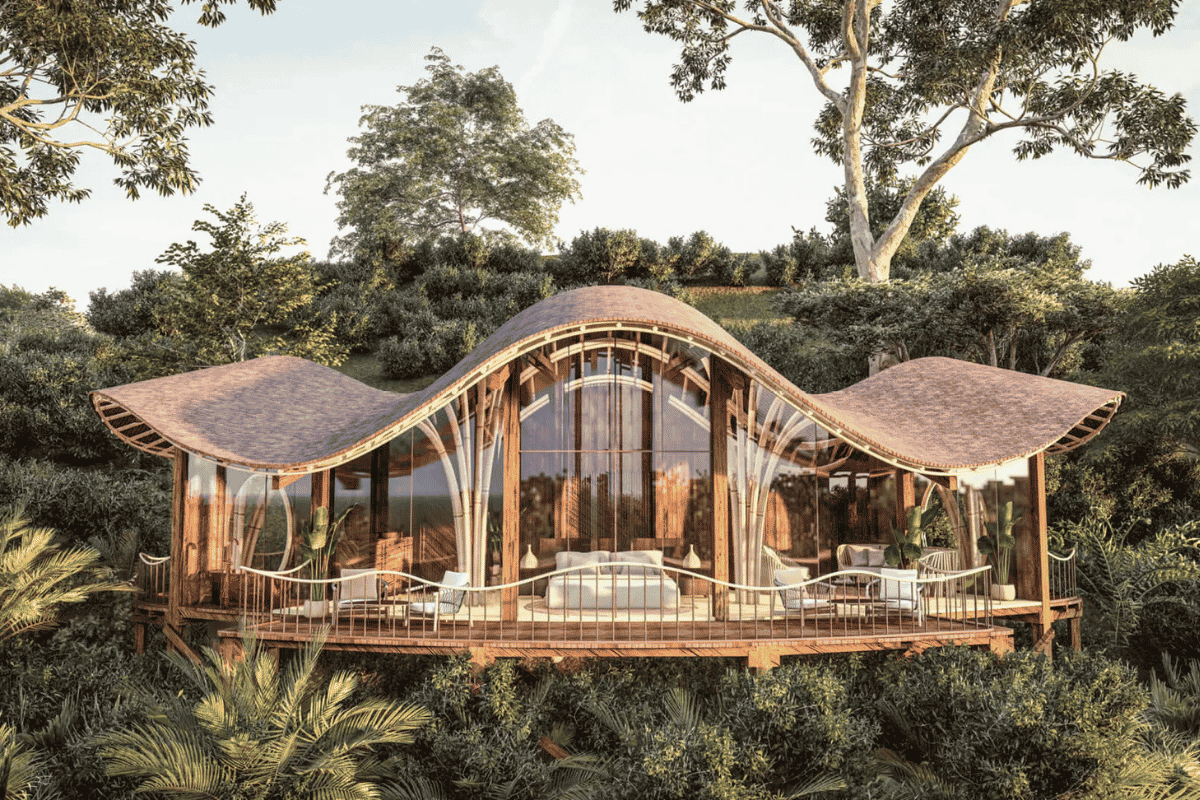
Asilia Africa
In Uganda's Bwindi Impenetrable Forest, Asilia Africa is converting exhausted tea plantations into thriving indigenous forests through its Erebero Hills restoration project. Thousands of native trees are being replanted while creating employment for neighbouring Batwa and Bakiga communities. At the same time, expanding forest corridors provide greater protection for one of the world's most endangered mountain gorilla populations.
Elsewhere in Uganda, Volcanoes Safaris has restored the Kyambura Wetland, transforming a former brickworks into a flourishing ecosystem now home to hundreds of bird species, primates and other wildlife. It is compelling evidence that carefully managed tourism can become an instrument of renewal rather than extraction.
.png)
Asilia Africa
These initiatives share a common philosophy. Nature is no longer viewed simply as a spectacular backdrop for travel, but as a living legacy worthy of long term investment and care.
Luxury with Lasting Purpose
Perhaps the greatest transformation lies not within the hotels themselves, but in the changing aspirations of today's traveller.
Increasingly, guests seek authentic connections with the places they visit. Planting native forests, supporting community led conservation or engaging with local traditions has become every bit as meaningful as a private villa, Michelin starred dining or personalised service.
.png)
Volcanoes Safaris
Luxury, once defined almost exclusively by comfort and exclusivity, is embracing a deeper purpose. Every stay has the potential to leave a destination stronger than it was found.
Communities at the Heart of the Journey
Regeneration extends well beyond the natural environment. Increasingly, the most inspiring initiatives recognise that healthy ecosystems and thriving communities are inseparable.
.png)
Volcanoes Safaris
In northern Kenya, bespoke travel specialist Elevate Destinations introduces travellers to community led conservation through the Northern Rangelands Trust. Visits to Samburu managed wildlife conservancies demonstrate how restored landscapes, wildlife protection and local livelihoods can evolve together, allowing tourism to become a lasting investment in both people and place.
In Peru's Amazon, Delfin Amazon Cruises works alongside river communities to restore degraded land through BioRest, an ambitious programme that replants native species while protecting traditional ecological knowledge. Nearby, Rainforest Expeditions channels the majority of profits from Posada Amazonas directly to the Indigenous Ese Eja community, safeguarding more than 9,500 hectares of rainforest while creating sustainable opportunities for future generations.
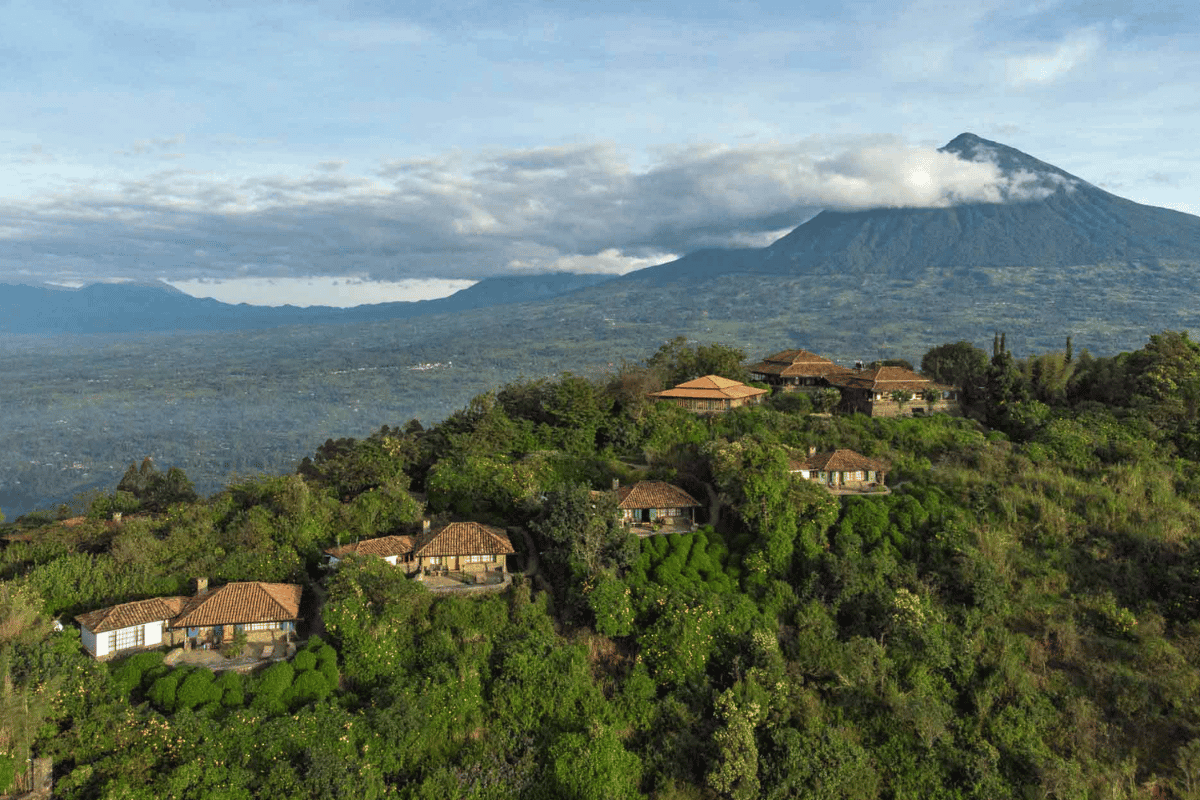
Volcanoes Safaris
Elsewhere, regeneration takes the form of cultural renewal. In Medellín, community led experiences in Comuna 13 connect visitors with local artists and neighbourhood leaders whose stories have reshaped one of Colombia's most remarkable urban transformations. In Costa Rica, lodges bordering the Cabécar Indigenous Reserve continue to invest in education, employment and cultural exchange, demonstrating that meaningful hospitality is ultimately built on relationships rather than transactions.
Together, these initiatives reveal a growing conviction that successful tourism should strengthen communities as much as it restores landscapes.
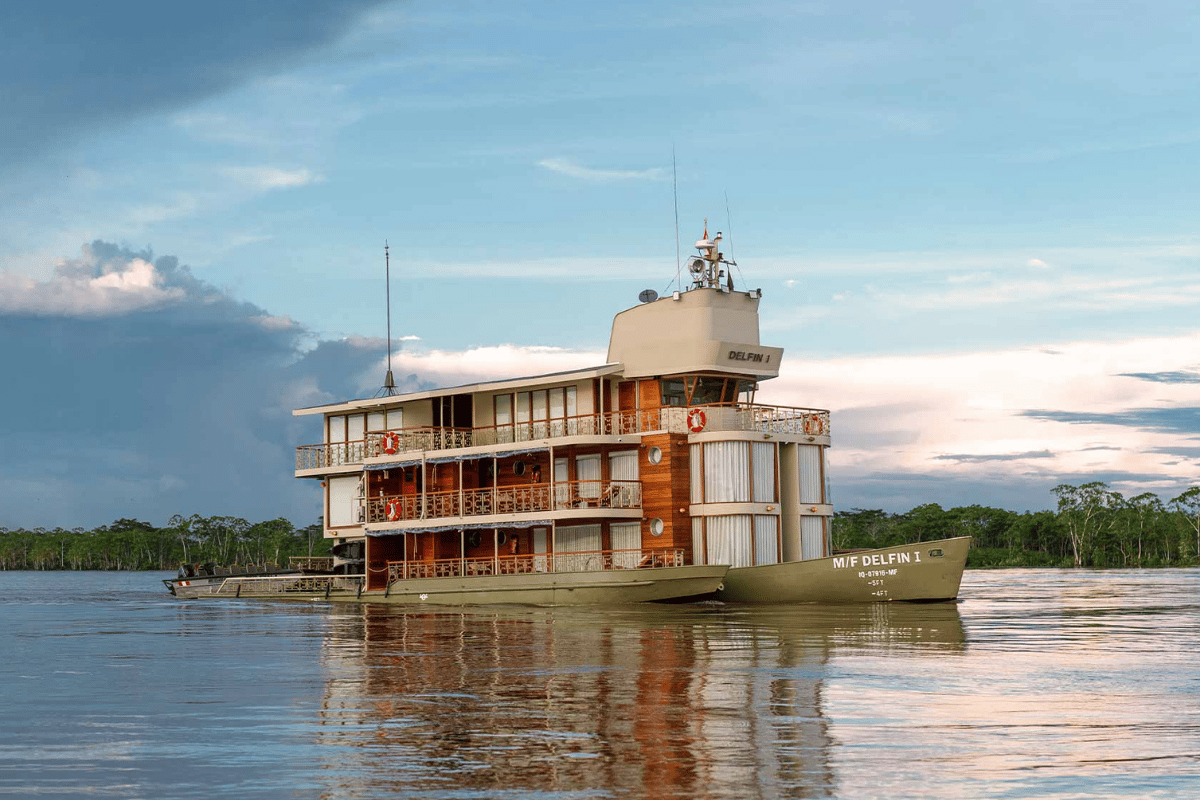
Delfin Amazon Cruises
Measuring What Truly Matters
As regenerative hospitality evolves, measuring its impact has become just as important as defining its philosophy. Traditional sustainability often focuses on carbon emissions, energy efficiency and waste reduction. Regeneration expands the conversation to include biodiversity recovery, cultural preservation, local prosperity and ecosystem restoration. This broader approach is reflected in certification frameworks such as Regenera Luxury, which evaluates hotels through hundreds of environmental, social and cultural indicators. Rather than applying a universal benchmark, each assessment is adapted to local realities, recognising that restoring a rainforest, protecting marine habitats or revitalising rural communities requires different approaches. For travellers, these frameworks provide reassurance that regeneration is far more than a marketing promise. It represents a measurable commitment to long term positive impact.
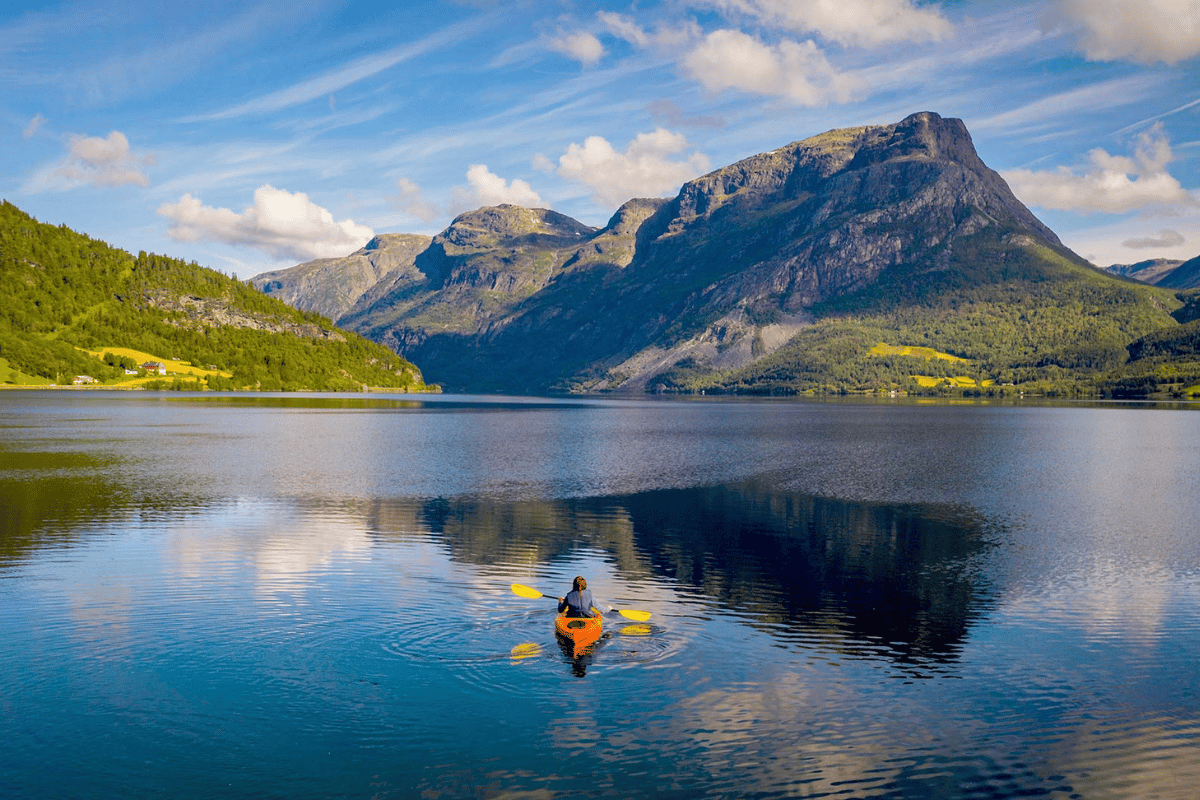
Elevate Destinations
The New Measure of Luxury
The rise of regenerative hospitality reflects a broader transformation in luxury travel itself. Today's travellers increasingly seek authenticity over excess and purpose alongside comfort. Exceptional design, world class cuisine and personalised service remain essential, yet many guests now wish to understand how their presence contributes to the places they visit. Whether planting trees, supporting local artisans or learning from Indigenous communities, travellers are becoming active participants rather than passive observers. Their most treasured memories are shaped not only by where they stayed, but by the people they encountered and the landscapes they helped protect. In this new era, luxury is no longer defined solely by exclusivity. It is measured by the depth of connection a destination inspires and the legacy it leaves behind.
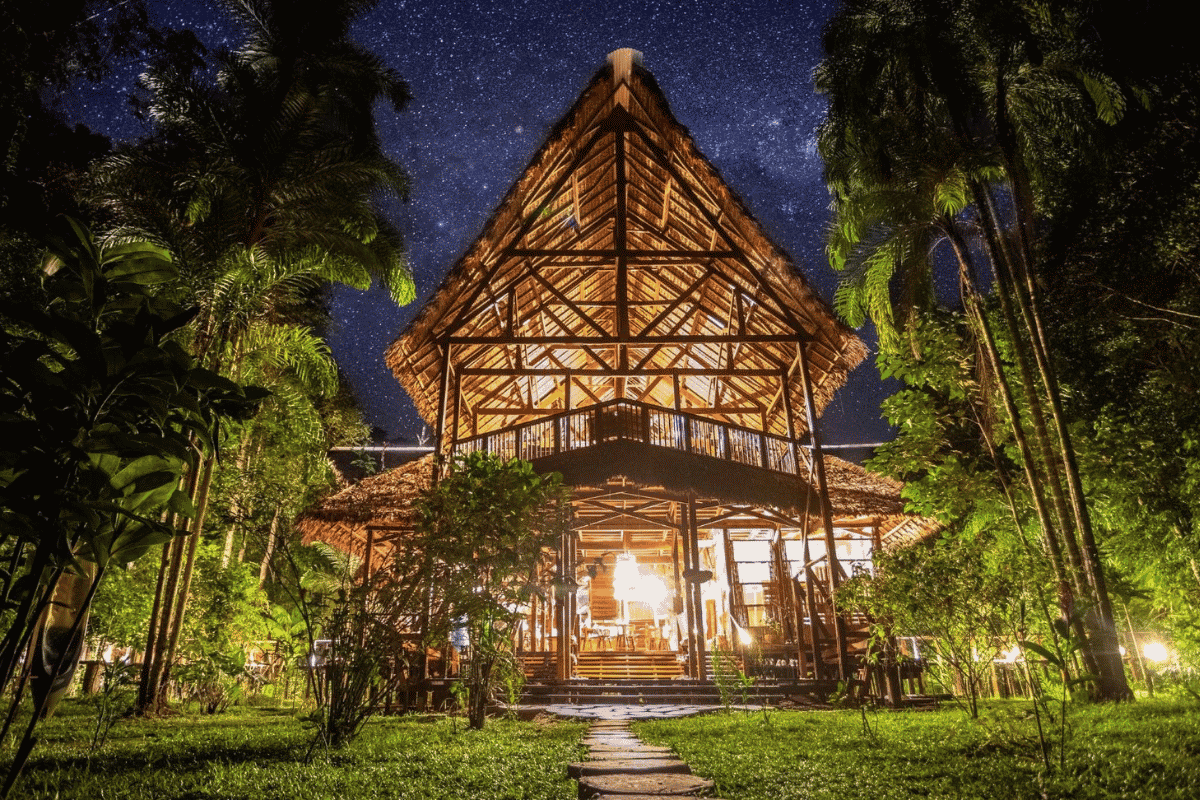
Rainforest Expeditions
The Journey Ahead
Regenerative hospitality is still evolving, yet its direction is unmistakable. Around the world, pioneering hotels, lodges and travel companies are demonstrating that tourism can become a force for restoration rather than simply a means of reducing harm.
As climate challenges, biodiversity loss and cultural preservation become increasingly urgent, hospitality has an opportunity, and arguably a responsibility, to lead by example. The destinations that flourish in the decades ahead are likely to be those that invest not only in extraordinary guest experiences, but also in the resilience of the landscapes and communities that make those experiences possible.
.png)
Rainforest Expeditions
Ultimately, regenerative travel invites us to rethink the purpose of every journey. The finest escapes are no longer defined solely by the memories they create, but by the positive legacy they leave behind, proving that the most meaningful luxury is the privilege of giving something back.