At El Toro, dining unfolds with quiet precision, where fire, technique, and restraint come together to shape something deeply personal. In this conversation, Chef Jaiden Nghiem reflects on his journey, his evolving philosophy, and the art of creating spaces where guests can slow down, connect, and simply feel at ease.
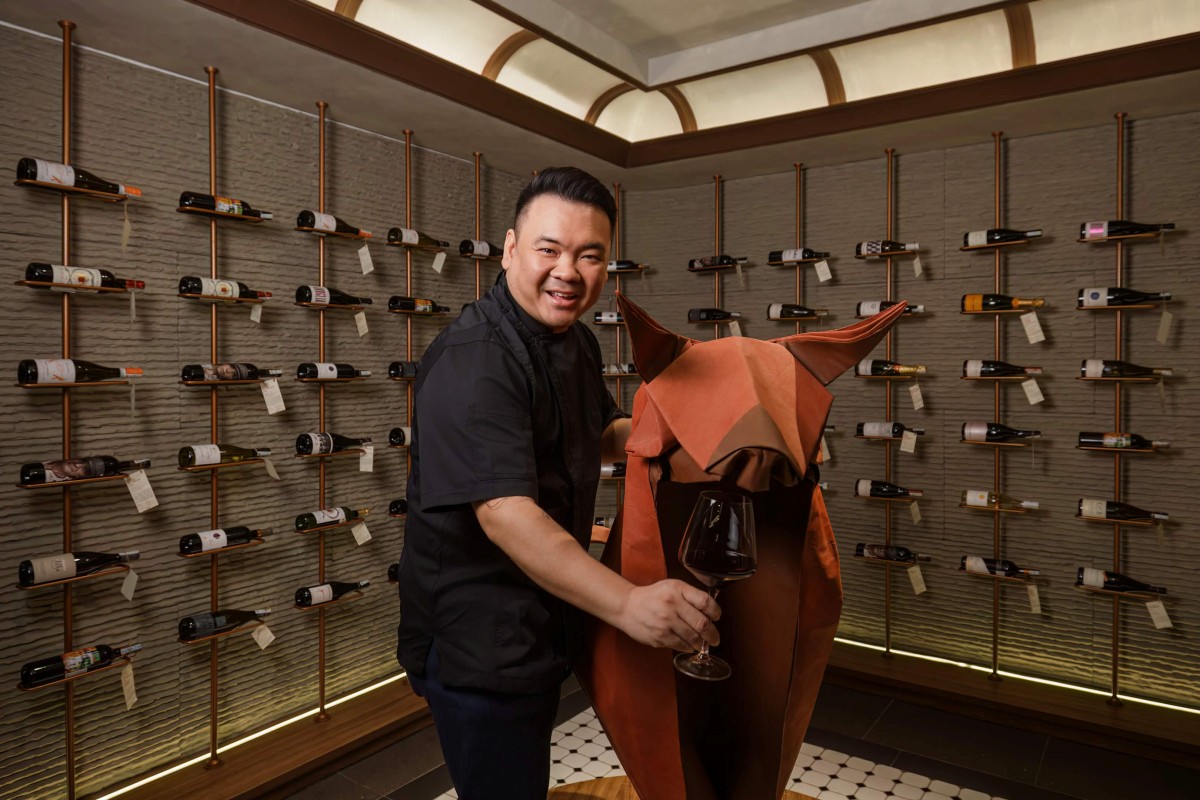
Restaurants often begin with a personal story rather than a business plan. What first shaped your relationship with food and hospitality?
My relationship with food did not begin in a professional kitchen, but through everyday experiences. Food was always present as a way people connected, at home, with friends, and through simple moments shared together. Over time, I became more aware that what stayed with me was not only the taste, but how people felt around the table. That awareness grew into curiosity, not just how to cook, but how food could shape an experience. Hospitality, to me, is an extension of that, creating a space where people feel comfortable enough to be present with one another.
Your journey spans Japanese omakase, Vietnamese cuisine, and now El Toro. How has this shaped your philosophy?
Each restaurant I created reflects a different stage of my understanding. Through Japanese omakase, I learned discipline and precision, how consistency in small details shapes the entire experience. With Vietnamese comfort cuisine, I came to understand familiarity and emotional connection, how food can feel personal, and how simplicity, when done well, carries meaning. El Toro brings these experiences together in a more focused way. It is less about adding ideas, and more about refining them, understanding the ingredient, controlling the technique, and allowing the environment to support the experience naturally. Over time, my philosophy has become clearer, not to do more, but to understand more deeply what is already there.
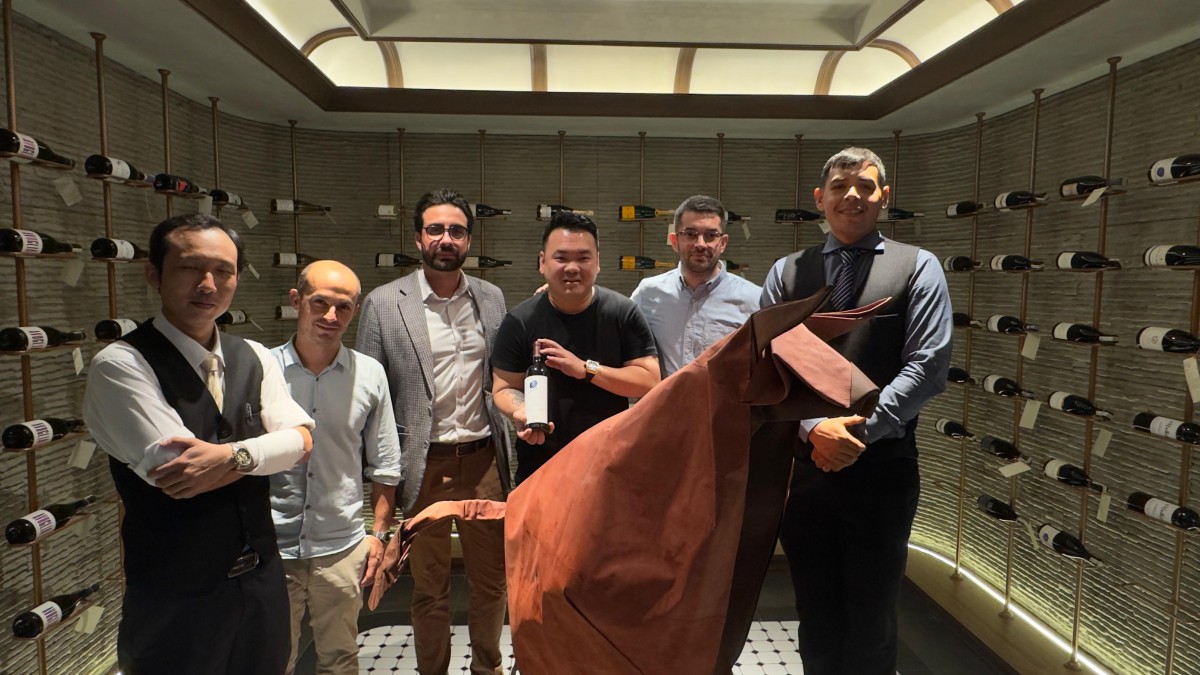
How have your global dining experiences influenced your understanding of excellence?
Travelling and dining at different restaurants allowed me to observe how excellence is expressed in many forms. What influenced me most was not only the level of technique, but the discipline behind it, the consistency, the clarity, and the restraint in how each detail supports the whole experience. Those encounters shaped the way I think about hospitality, not as something that needs to impress, but something that needs to be right, consistently.
How important is curiosity and global exposure for chefs today?
Curiosity plays a central role in shaping a chef. A chef who genuinely enjoys and understands food will continue to grow. Exposure to different cuisines, techniques, and cultures expands that understanding, but it must come from genuine interest rather than obligation. Without curiosity, development becomes limited. With it, learning remains continuous, and a deeper relationship with food can form over time.
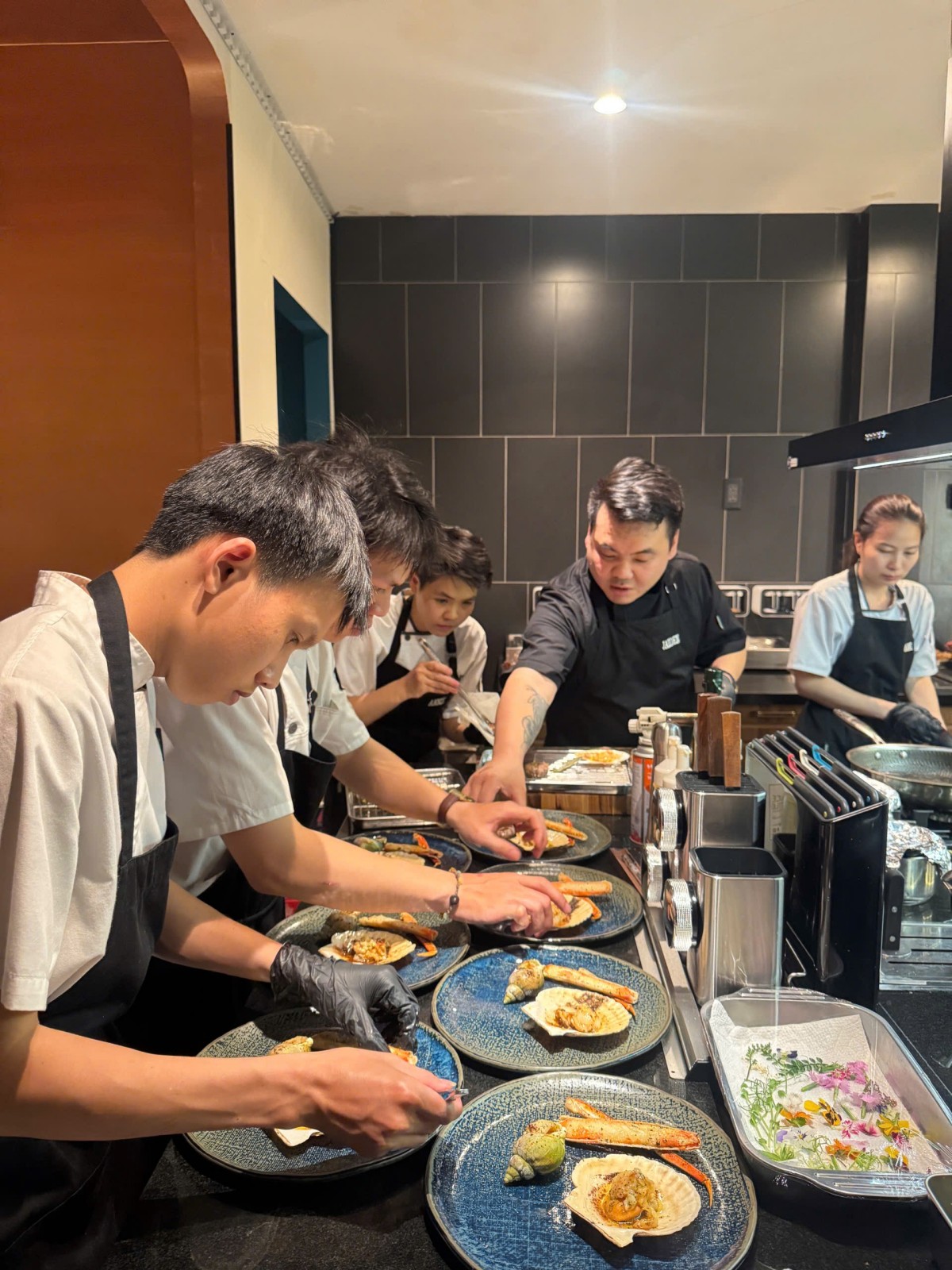
Why did you choose a collaborative kitchen approach instead of a traditional hierarchy?
In many kitchens, hierarchy is used to maintain control. At El Toro, we chose to work differently. We operate as a team of chefs who share responsibility, rather than relying on a single figure. This allows everyone to stay engaged, and encourages a deeper level of ownership in the work. When responsibility is shared, creativity becomes more natural, and the kitchen becomes a place of alignment rather than pressure.
El Toro feels more like a gathering place than a traditional steakhouse. How did you approach this?
A restaurant environment should not demand attention from the guest. It should support them. At El Toro, we focus on removing distractions rather than adding elements. Lighting, sound, and spacing are all designed to feel calm and intentional. When the environment becomes quiet, people begin to reconnect, not only with each other, but also with themselves. That is where meaningful moments can happen.
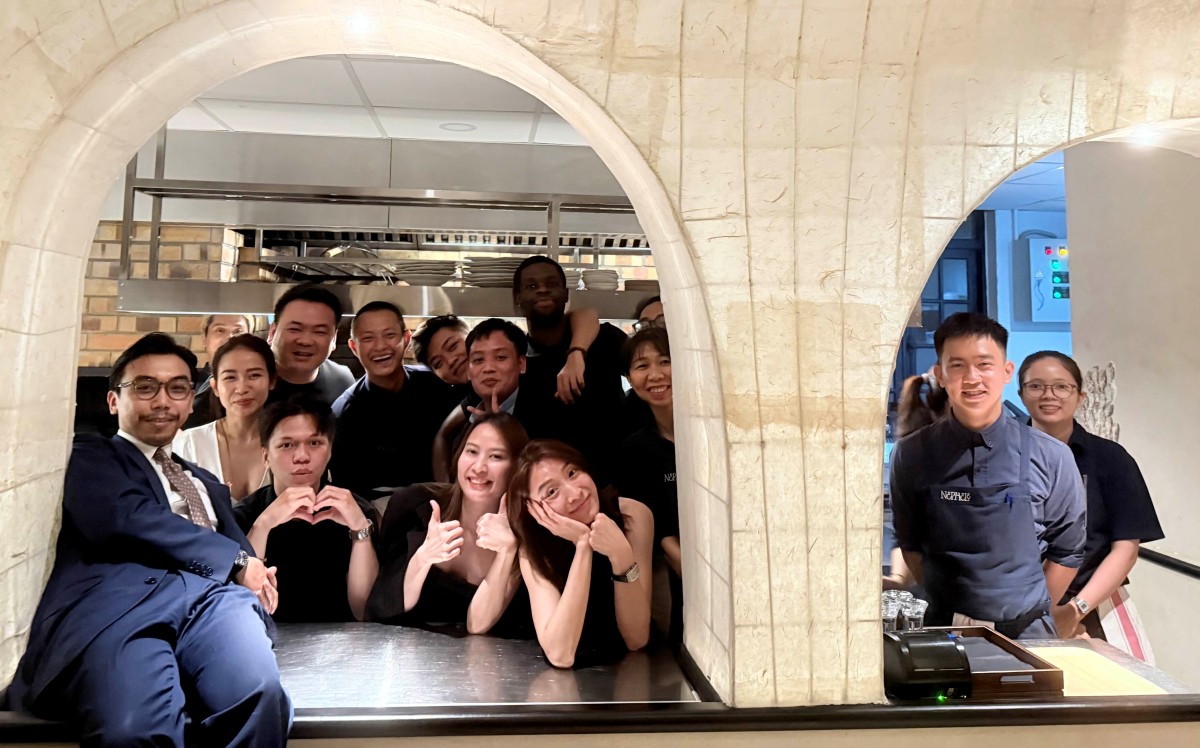
What emotional experience do you hope guests feel at El Toro?
Everything at El Toro is thoughtfully curated to allow our guests to step away from the noise of daily life. Our presence is quiet and unobtrusive, like a gentle background that supports rather than interrupts. In that stillness, guests are able to relax, feel at ease, and simply be themselves. We do not seek to impose an experience or chase satisfaction. Many guests arrive without knowing exactly what they are looking for, and we respect that. Instead, we create an environment where things unfold naturally.
Food and wine are not the focus alone, they are mediums. Through them, something more meaningful can happen at the table, connection, conversation, and shared moments that cannot be forced. At El Toro, we do not perform. We hold the space, and allow the experience to emerge.
What kind of transformation do you see shaping the future of dining?
Dining is becoming more aware. Guests today are increasingly sensitive to authenticity, they can feel when something is forced, and when something is genuine. I believe the future of dining will move away from excess and return to clarity. Fewer distractions, more intention. Restaurants that understand this will not only serve food, but create environments where people feel grounded and present.
Beyond awards, what achievements feel most meaningful to you?
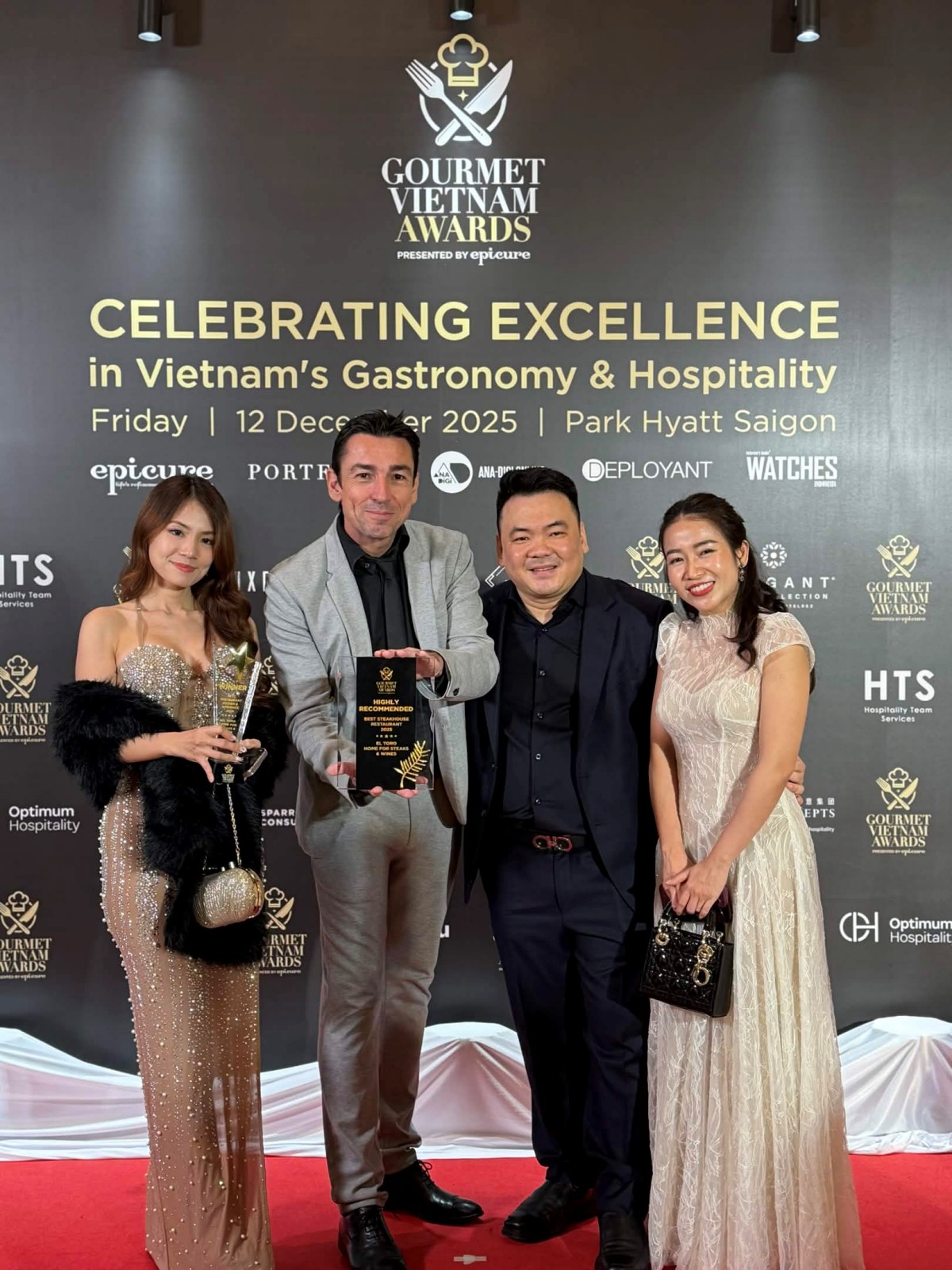
Many guests who visit El Toro notice the Epicure Gourmet Awards 2025 displayed in the restaurant and become curious about what it represents. It is something we are grateful for, and it marked an important moment in our journey. At the same time, recognition brings responsibility. Expectations change, and we understood clearly that what brought us there would not be enough going forward. After receiving the award, we chose to close the restaurant for five days to realign as a team. It was a moment to step back, reflect, and ensure that what we deliver continues to meet, and quietly exceed, those expectations. What matters most is not the award itself, but how we continue to honour the trust that guests place in us.
What would you like El Toro’s long-term legacy to be?
Legacy, to me, is not something to be claimed, but something to be carried forward. It is the ability to leave the present in a way that allows the next generation to continue building upon it, not only to sustain what was created, but to grow beyond it and become better in the process. What matters is not what we achieve alone, but whether what we build can continue to evolve with others.
What personal philosophy guides you in leading restaurants?
Leading a restaurant requires patience more than intensity. It is about creating a system where people can grow, and where the environment supports consistency. Over time, small improvements become something significant. That is how a restaurant evolves, not through sudden change, but through steady refinement.
What feeling should guests leave with after dining at El Toro?
A sense of ease. Not intensity or excitement, but the feeling of having been somewhere that allowed them to slow down and be present. If guests leave feeling lighter than when they arrived, then we have done our job.