Omakase café arrives at a moment when specialty coffee has already perfected precision, speed, and consistency. When a flawless cup is no longer rare, the question shifts from how coffee is brewed to how it is experienced. As cafés embrace automation and repeatability, coffee culture stands at a crossroads. What comes next is not a new machine or a rarer bean, but trust. Rooted in Japan’s dining philosophy, omakase asks guests to surrender choice and follow the barista’s intuition, transforming coffee from a transaction into a guided, deeply personal ritual.
Beyond the Menu
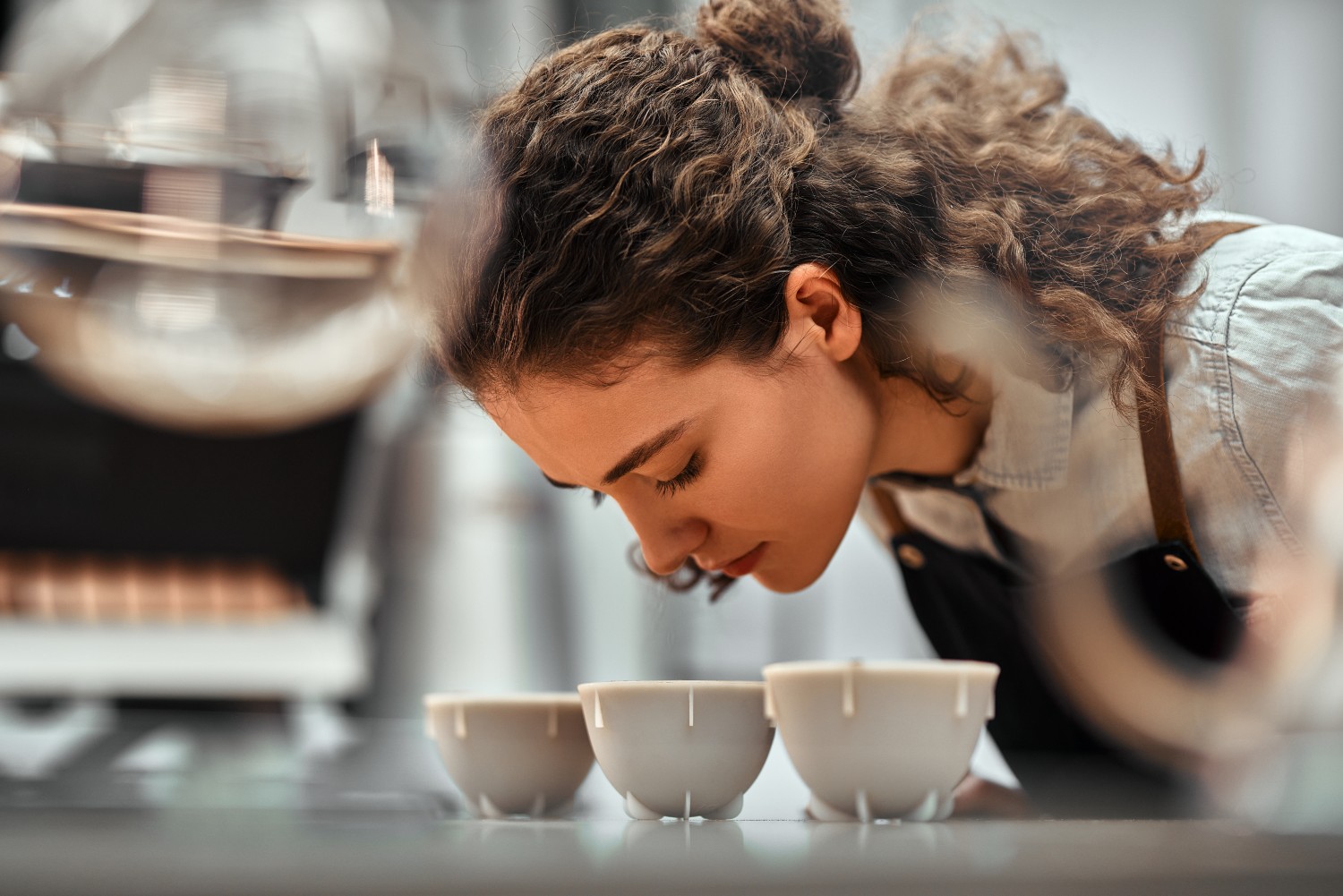
At first glance, an omakase café may appear deceptively simple. Often minimalist in design, intimate in scale, and stripped of conventional menus, these spaces resist spectacle. Yet beneath this restraint lies a radical shift in the role of both guest and barista. In a traditional café setting, choice is paramount. Customers select origin, brew method, milk type, sweetness level. The barista’s role, however skilled, is largely responsive. In omakase, this hierarchy is reversed. The guest arrives not to order, but to be guided. Choice gives way to curiosity. Expectation gives way to discovery.
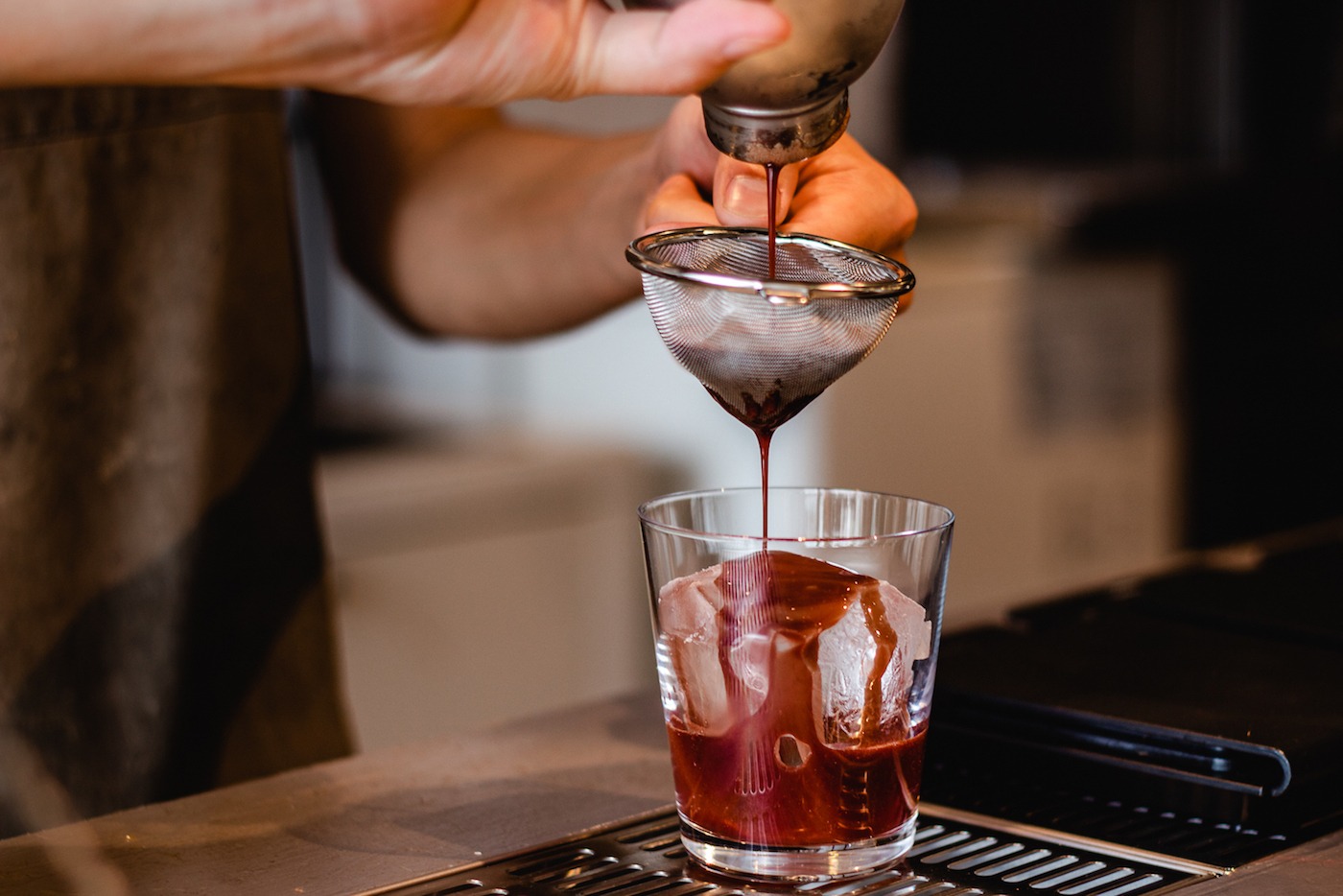
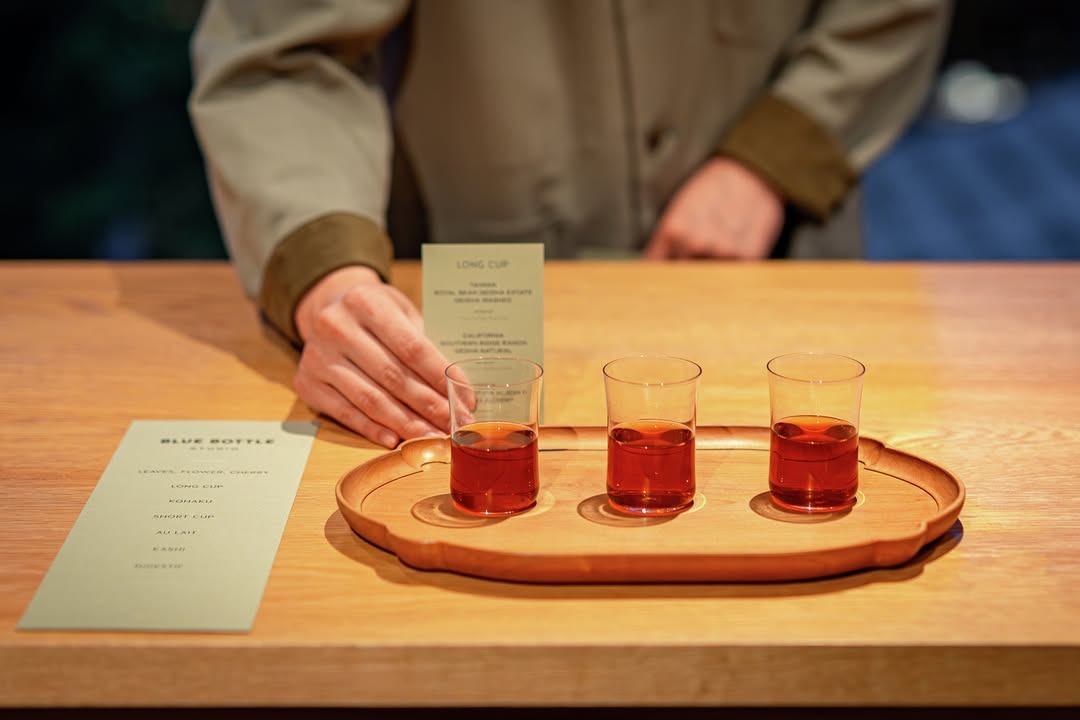
Coffee omakase unfolds as a sequence rather than a single drink. Each cup is intentionally placed within a broader narrative, often progressing from lighter, more transparent expressions toward deeper, more layered profiles. Brewing methods shift. Temperatures evolve. Occasionally, coffee steps beyond its familiar form, reimagined through culinary techniques, seasonal ingredients, or cocktail-inspired constructions.

What distinguishes omakase from tasting flights or curated menus is its immediacy. Nothing is fixed in advance. The barista reads the room - a pause, a raised eyebrow, a lingering sip - and adjusts accordingly. Just as a sushi chef may push a diner gently toward bolder flavours as trust builds, the barista calibrates complexity in real time. The experience is never repeated in exactly the same way. Here, coffee ceases to be a static product. It becomes a living conversation.
The Barista at the Center of the Story
Omakase places an extraordinary responsibility on the barista. In specialty coffee, baristas are often described as the “face of the supply chain” - the final link between farm and cup. In an omakase setting, they become its narrator.
Acting simultaneously as brewer, educator, and host, the barista must balance art and science with emotional intelligence. Technical mastery is assumed. What matters more is judgement - knowing not only how to extract a coffee, but when to introduce it, how to frame it, and whether the guest is ready to receive it.
This is where omakase reveals its cultural depth. Rooted in omotenashi, the Japanese philosophy of anticipatory hospitality, the experience is designed to exceed expectations without ever announcing itself. Attention is precise but unobtrusive. Guidance is offered, not imposed. Silence is as intentional as explanation.
Equally influential is kodawari, the relentless pursuit of perfection through detail. In coffee omakase, this may manifest in water composition, glassware choice, pacing between cups, or the pairing of coffee with subtle confections. Each decision reinforces the idea that nothing is accidental.
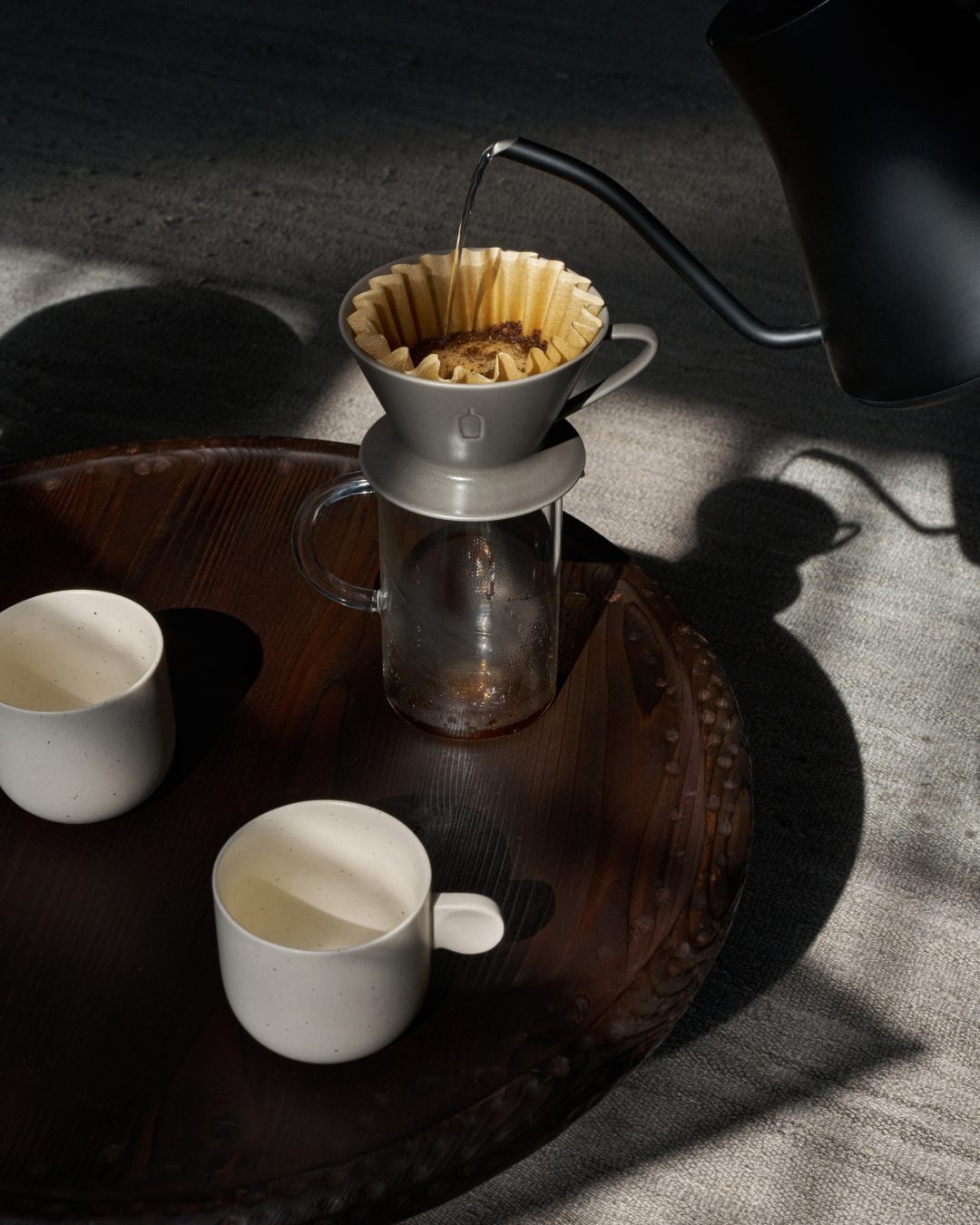
The counter itself plays a crucial role. Face-to-face seating collapses the distance between maker and guest, echoing both sushi counters and tea ceremonies. Guests witness every gesture - the grind, the pour, the pause - transforming preparation into performance. Transparency builds trust. Trust deepens engagement.
The Luxury of Trust
The rise of coffee omakase is not a rejection of modern specialty coffee, but a response to its saturation. As consumers become increasingly fluent in origin stories, processing methods, and flavour descriptors, novelty alone is no longer enough. Rarity, once a marker of luxury, has become widely accessible. What remains scarce is intimacy.
Coffee omakase offers an experience that cannot be scaled, automated, or replicated. It resists the logic of efficiency. Seats are limited. Reservations are required. Time is deliberately slowed. This exclusivity is not performative; it is structural. The format demands focus from both barista and guest, creating an environment where attention itself becomes the luxury.
Yet omakase is also an exercise in vulnerability. For guests, it requires surrendering control and accepting uncertainty. For baristas, it demands confidence built on years of training and deep product knowledge. Not every café can - or should - adopt this model. Its success depends on trust, and trust must be earned.
This is why Japan, with its reverence for craft, ritual, and restraint, has become the natural home of coffee omakase. Influenced by tea ceremonies and counter-based dining, Japanese hospitality has long understood that refinement does not require excess. In this cultural context, coffee omakase feels less like a trend than an inevitable evolution.
Here, coffee is no longer something to be customised, consumed, or rushed. It is entrusted. And in that act of trust lies the quiet power of omakase - not as a novelty within specialty coffee, but as its most human expression.
Inside Japan’s Coffee Omakase Counters
Blue Bottle Studio
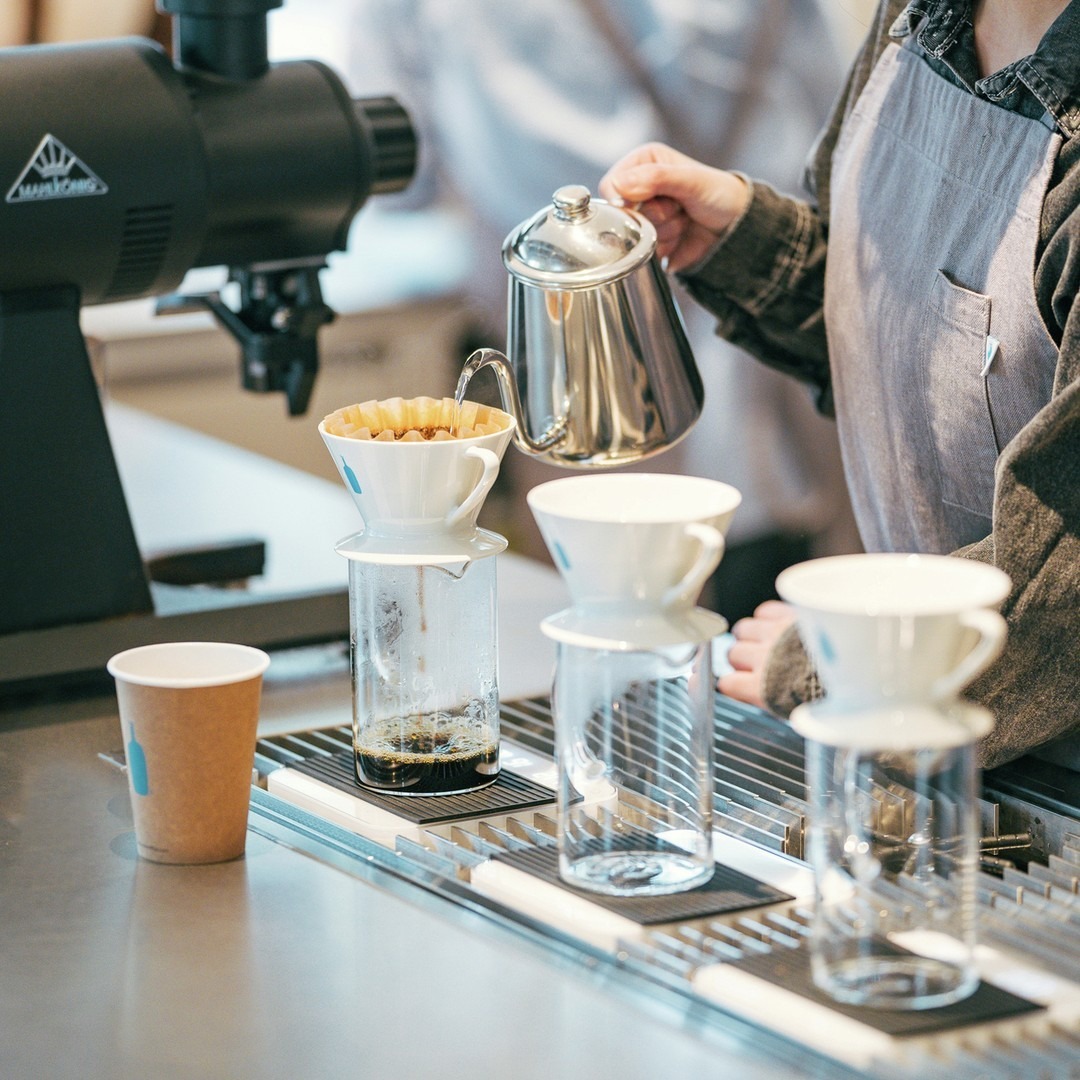
Hidden within the quiet cadence of Kyoto, Blue Bottle Studio Kyoto offers an omakase coffee experience defined by restraint, seasonality, and an almost ceremonial sense of time. Operating only during select periods in spring and autumn, the studio limits each session to just five guests, turning every reservation into a rare, considered encounter rather than a casual café visit. Here, coffee is presented not as a single beverage, but as a narrative unfolding across five handcrafted drinks and two delicate sweets. The experience expands beyond roasted beans, incorporating infusions brewed from coffee leaves, flowers, and even the coffee cherry itself. By embracing the entire plant, the studio reveals a broader spectrum of flavour and aroma, challenging conventional expectations of what coffee can express. Guided by skilled baristas, guests are invited to observe, listen, and taste in equal measure. Each cup arrives with intention, its place in the sequence carefully chosen to build contrast and progression. In this quiet, intimate setting, Blue Bottle Studio Kyoto transforms coffee into a contemplative ritual, where trust in the barista replaces choice, and the act of drinking becomes an experience to be savoured as slowly as the city that surrounds it 64 Nanzenji Kusakawacho, Sakyo Ward, Kyoto, 606-8437, Japan.
Koffee Mameya Kakeru
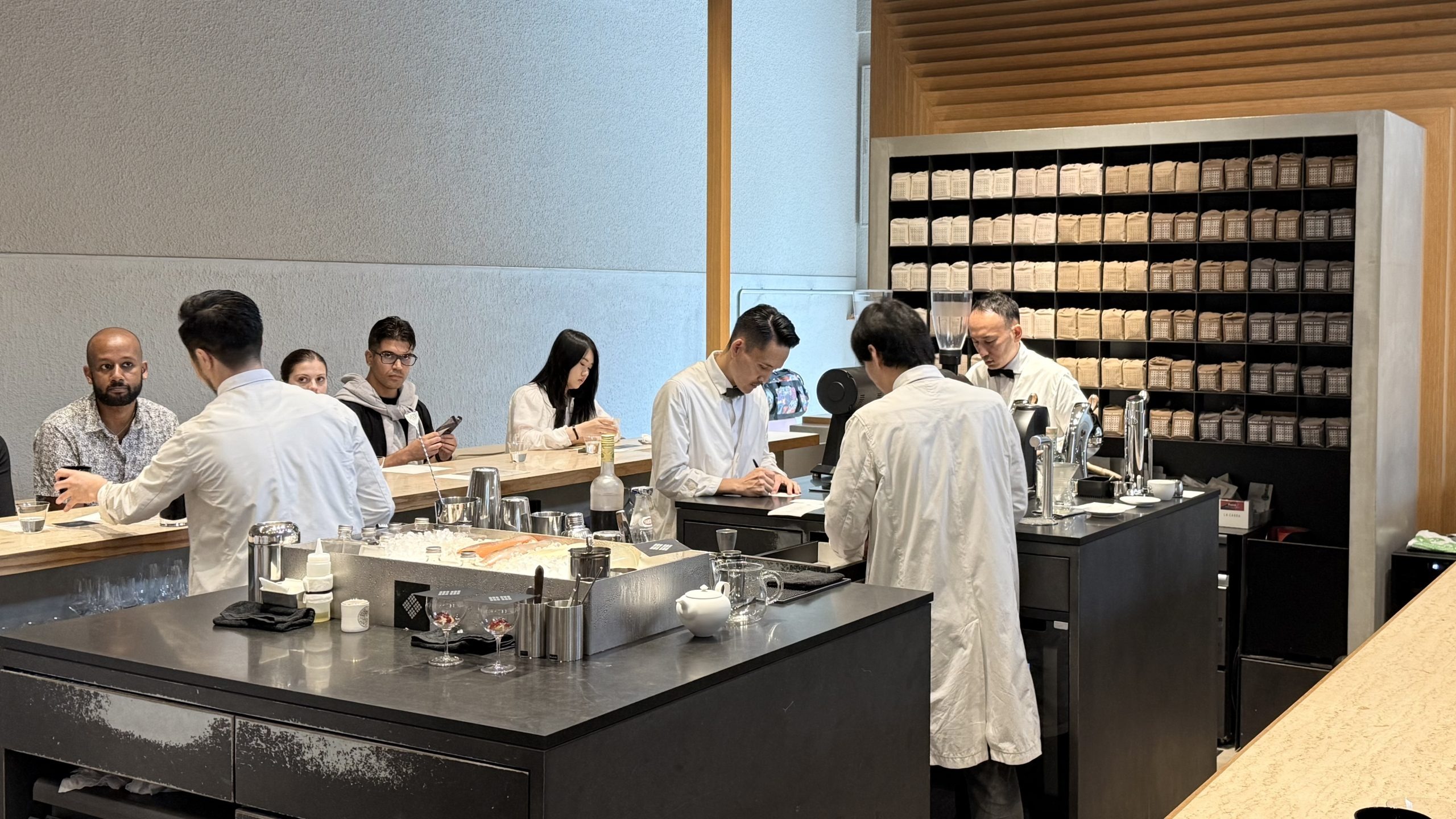
An undeniable giant in Tokyo’s coffee scene, Koffee Mameya Kakeru is the dedicated home of the brand’s omakase experience, located in the creative enclave of Kiyosumi-Shirakawa. While Koffee Mameya operates several locations, Kakeru stands apart as a space devoted entirely to immersive, barista-led tastings, far from the pace of central Tokyo. “Kakeru,” meaning “to multiply,” defines the experience’s philosophy, expanding the traditional idea of omakase through education and dialogue. Guests choose from three curated courses starting at ¥5,000, sampling a progression of roasts prepared as pour-over, cold brew, and inventive zeroproof cocktails. Small accompanying bites punctuate the journey. Reservations are essential, and the experience’s influence on Tokyo’s coffee omakase movement is unmistakable 2 Chome-16-14 Hirano, Koto City, Tokyo 135-0023, Japan. Tel: +81 50-1807-6375.
Lonich
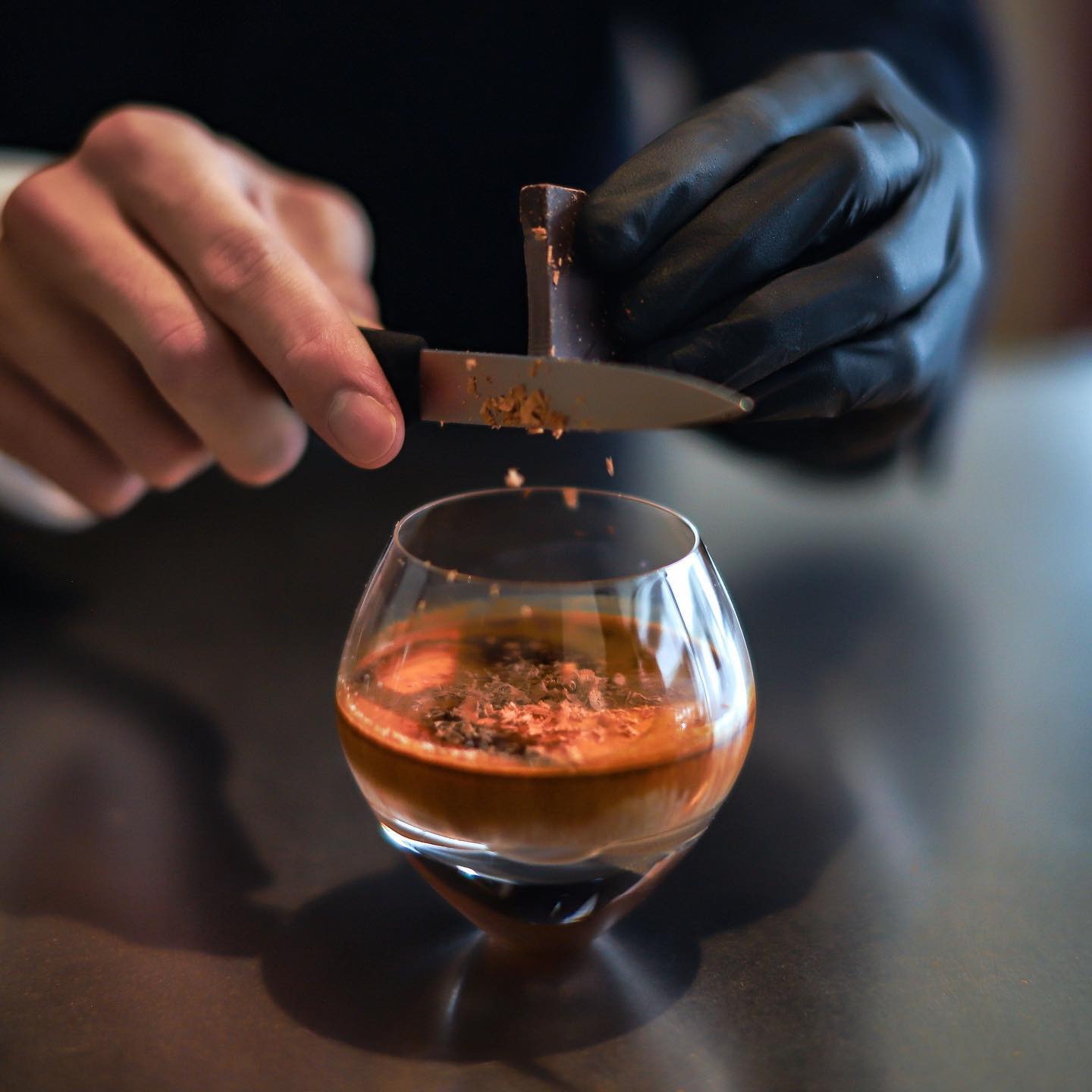
A newer name in Tokyo’s specialty coffee landscape, Lonich has quickly attracted a devoted following with its philosophy of pursuing “the best, not the biggest.” Based in Kuramae, the brand combines coffee omakase with curated subscriptions and high-end brewing equipment for dedicated enthusiasts. Lonich works with around 20 filtered coffees, many sourced from international auctions, and presents its tastings cup by cup, allowing each flavour profile to unfold fully. Guests can choose from several omakase courses, including seasonal menus, JapaneseChinese ingredient fusions, and the Gesha-focused Collective course highlighting top-lot selections. All experiences are reservation-only, lasting around 90 minutes, with prices starting from ¥4,000 and rising to ¥8,500 for the Gesha course 1-7-4 Kuramae, Taito-ku, Tokyo 111- 0051, Japan. Tel: +81-50-3184-3065.

Cokuun
Hidden along a quiet Omotesando side street, Cokuun offers one of Tokyo’s most intimate coffee omakase experiences. With only four seats and a discreet exterior, the space operates strictly by reservation, ensuring a highly personalized tasting guided by focused attention. The interior recalls an exhibition space rather than a café, immersing guests in a sensory-driven experience where presentation is as important as flavour. Drawing on Japanese ingredients and culinary philosophy, the barista team — led by World Barista Champion Hide Izaki and WBC finalist Miki Suzuki — treats coffee as a versatile ingredient, blending it with seasonal elements to create layered, mocktail-inspired expressions. Rooted in the aesthetics of the Japanese tea ceremony, the 90-minute course, priced at ¥16,500, unfolds as a refined coffee narrative Tokyo, Japan (Secret/Hidden).