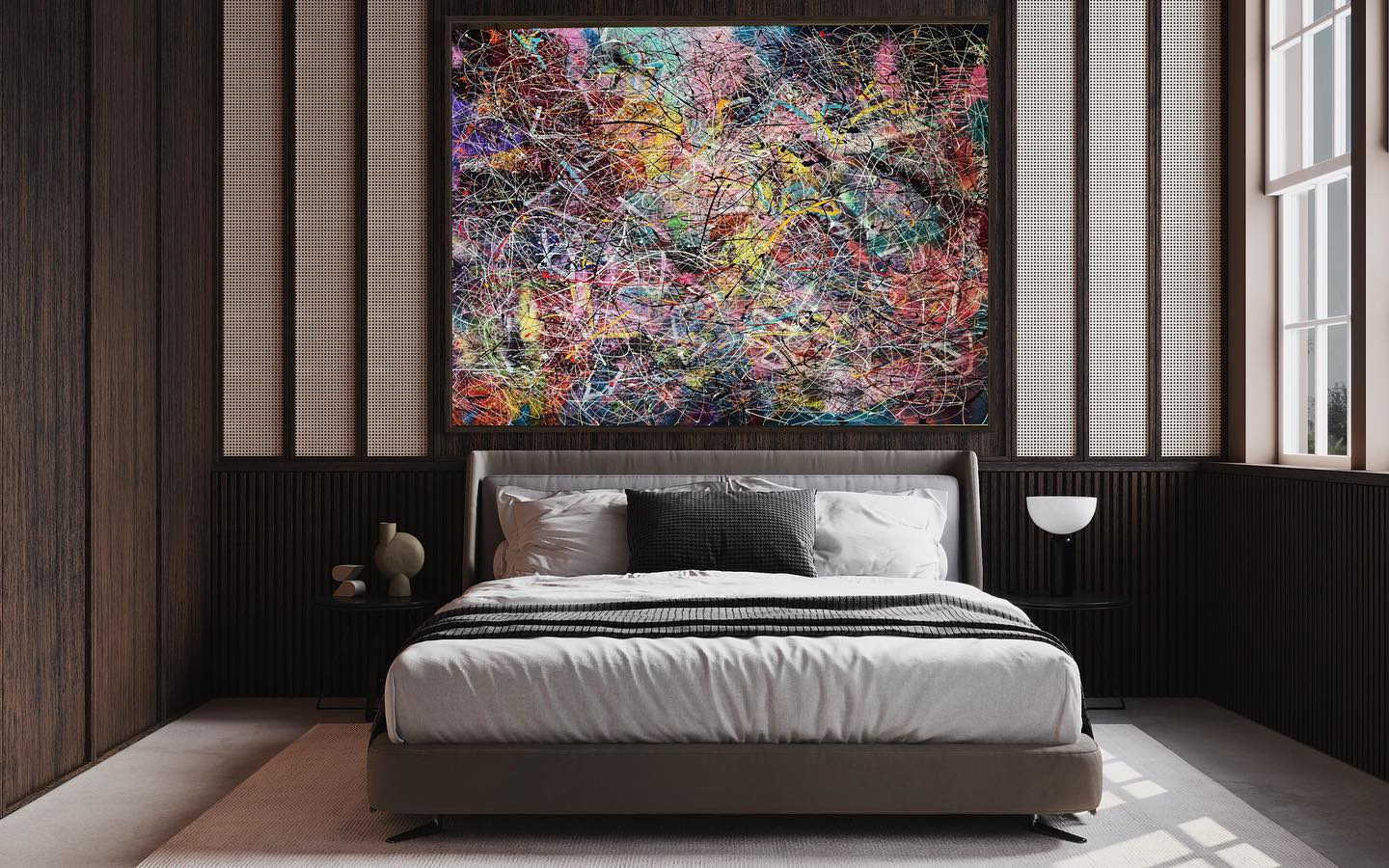
Through instinctive gestures, layered colour, and the emotional force of abstraction, Ivan Shenevsky transforms inner turbulence into visual rhythm. From music and video to painting and live performance, his practice unfolds as a personal search for freedom, memory, and reconstruction.
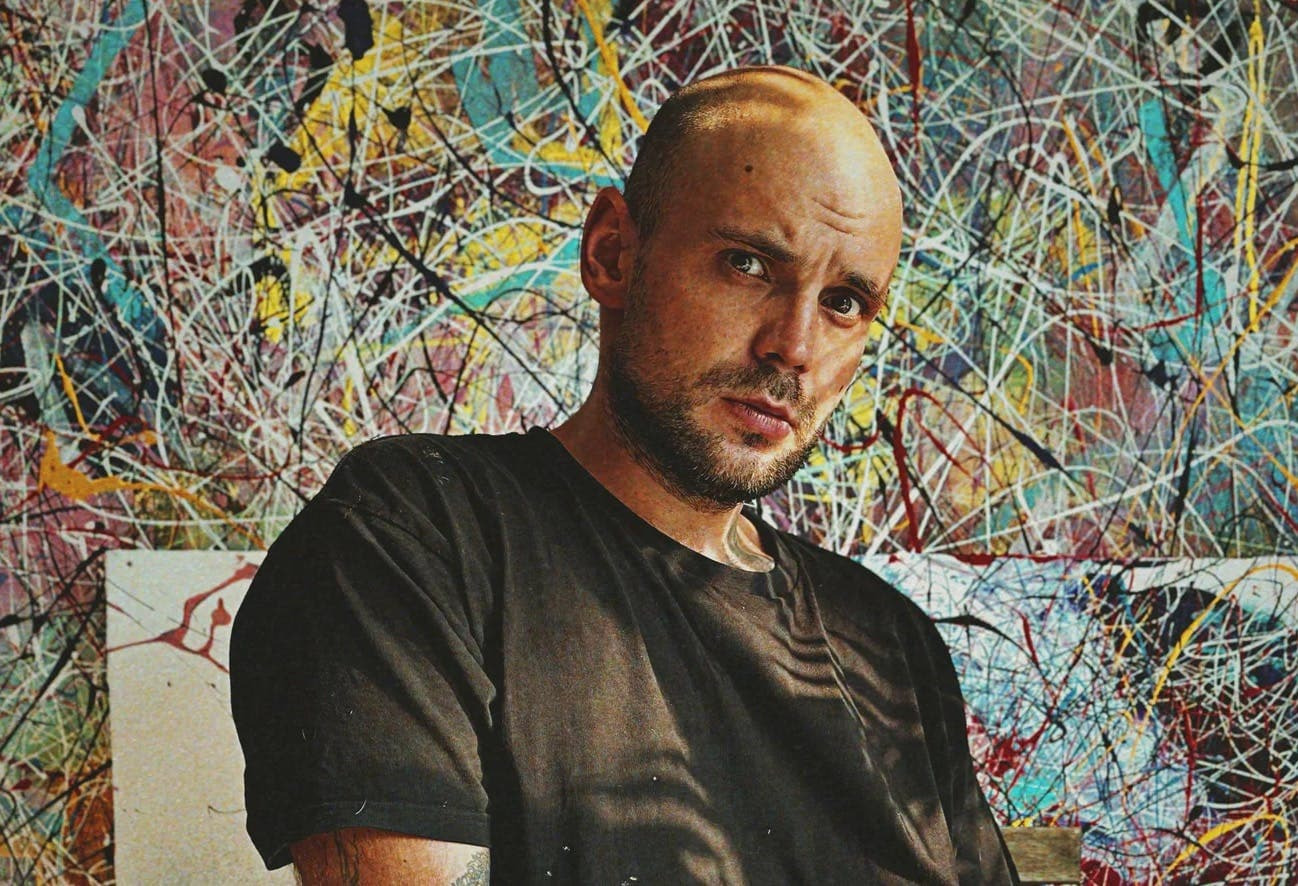
Born in St. Petersburg, Russia in 1986, Shenevsky first entered the creative world through music at the age of eleven. Rhythm, structure, improvisation, and emotion became his earliest language. Music later led him into video production, where sound and image merged into another form of storytelling. Yet throughout those years, painting remained present in the background, private and uncertain, waiting for the right moment to emerge.
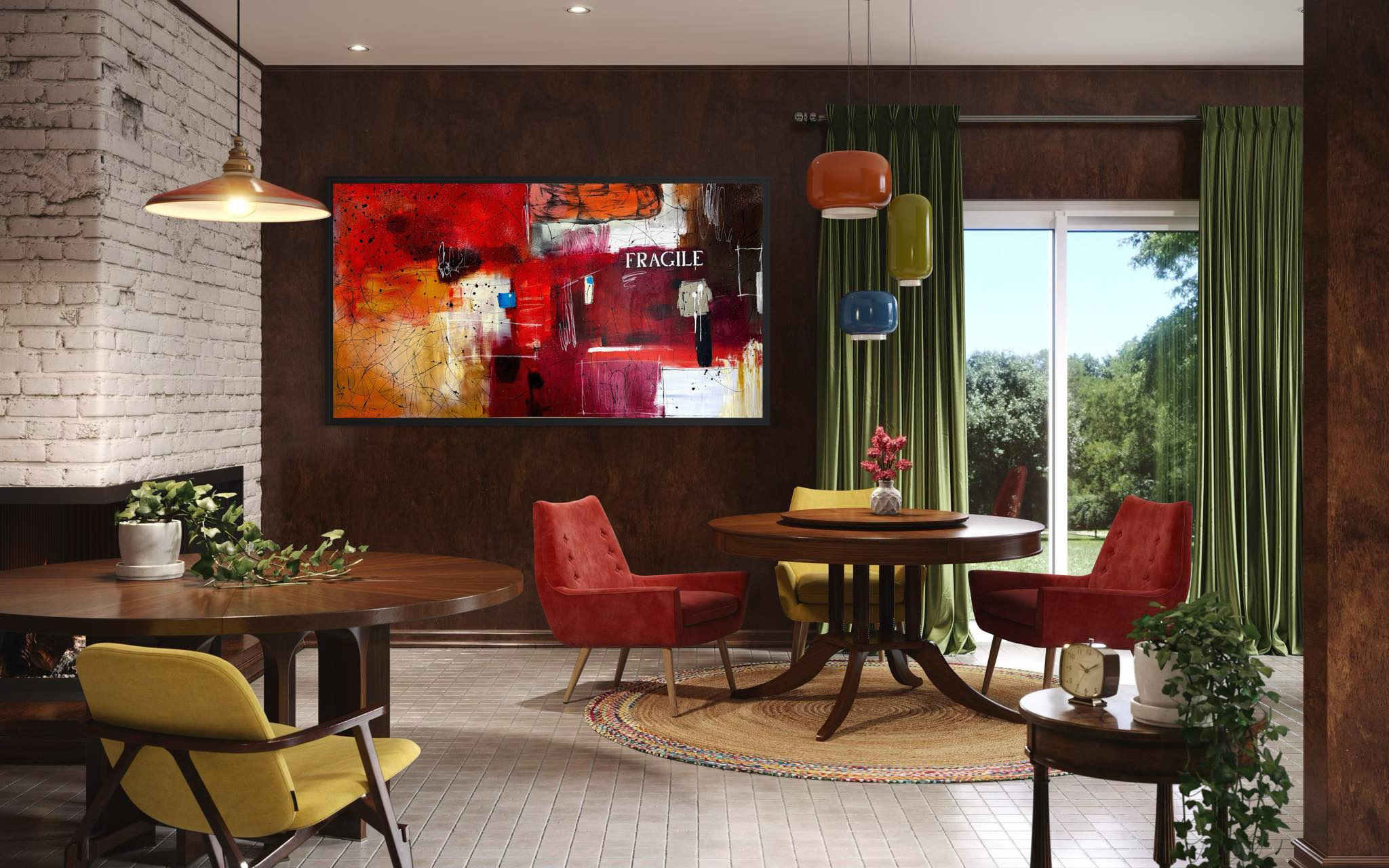
That moment came in 2018, when Shenevsky began painting more seriously. At first, the canvas became a place of freedom and discovery. Then, during the COVID-19 pandemic, painting became something far more essential. Like many, he faced uncertainty and loss, but in Vietnam he also found unexpected kindness. Neighbours encouraged him, supported him, and helped him through a difficult period. Their generosity gave him the courage to share his work with the world.
What began as survival gradually became purpose. Today, based in Vietnam, Ivan Shenevsky has developed a multidisciplinary practice rooted primarily in painting, yet still deeply connected to music, movement, and performance. His works are spontaneous, emotional, and driven by instinct rather than fixed rules. Each canvas becomes a conversation between the artist, the world around him, and those who encounter the work.
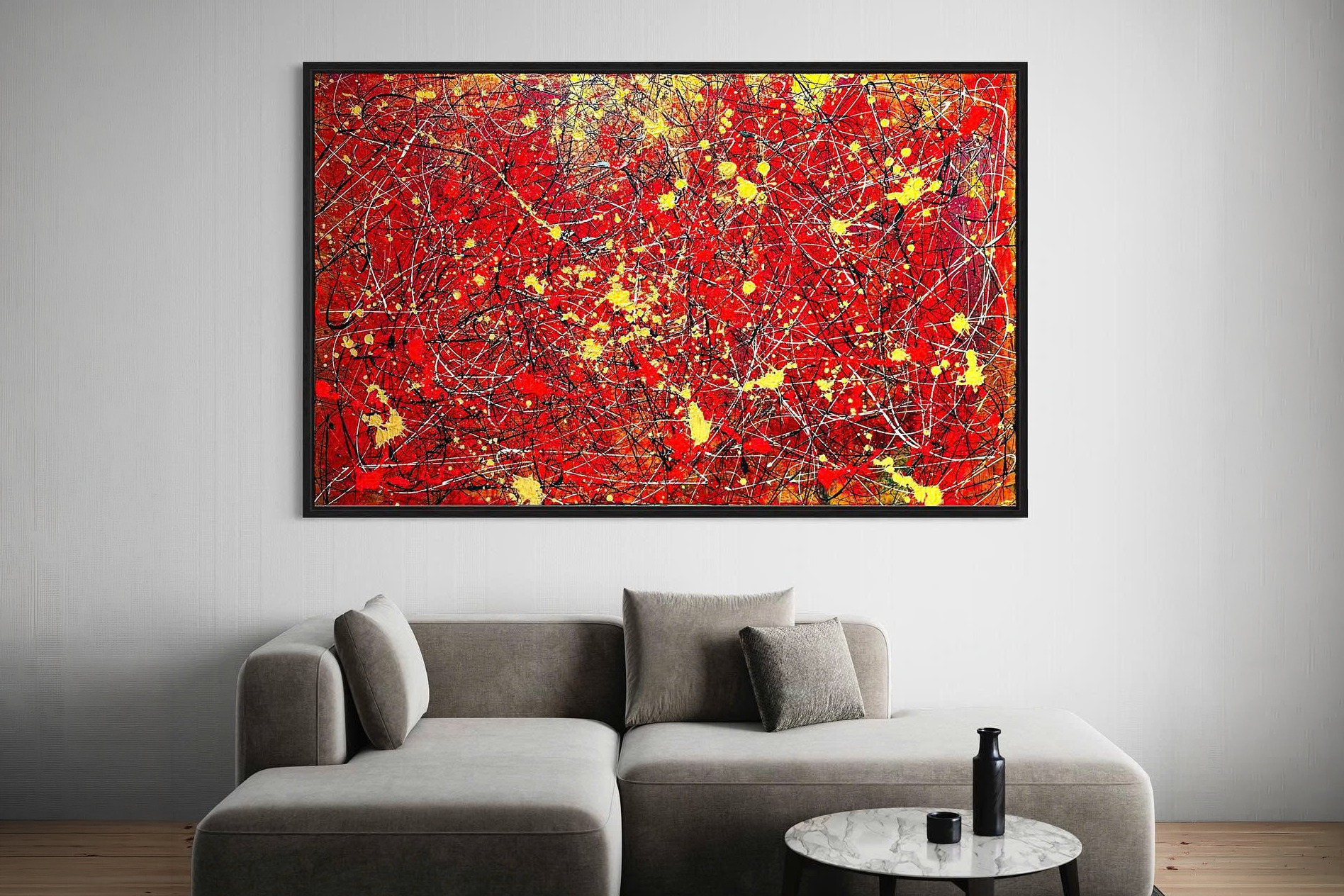
His abstract compositions unfold through layered colour and energetic gestures. Marks collide, dissolve, overlap, and reappear, creating a visual language that feels both turbulent and alive. There is chaos in his paintings, but also rhythm. There is fragmentation, but also a desire to rebuild. For Shenevsky, abstraction is not an escape from reality. It is a way of approaching the human condition more directly, through emotion rather than explanation.
This exploration took shape powerfully in his 2024 solo exhibition Attention-Deficit/Hyperactivity Disorder at Ô Art Bar in Ho Chi Minh City. The works examined fractured attention, memory, and social tension through dense layers of colour and movement. Rather than presenting disorder as weakness, Shenevsky transformed it into a field of visual intensity, where interruption, acceleration, and emotion became part of the composition itself.
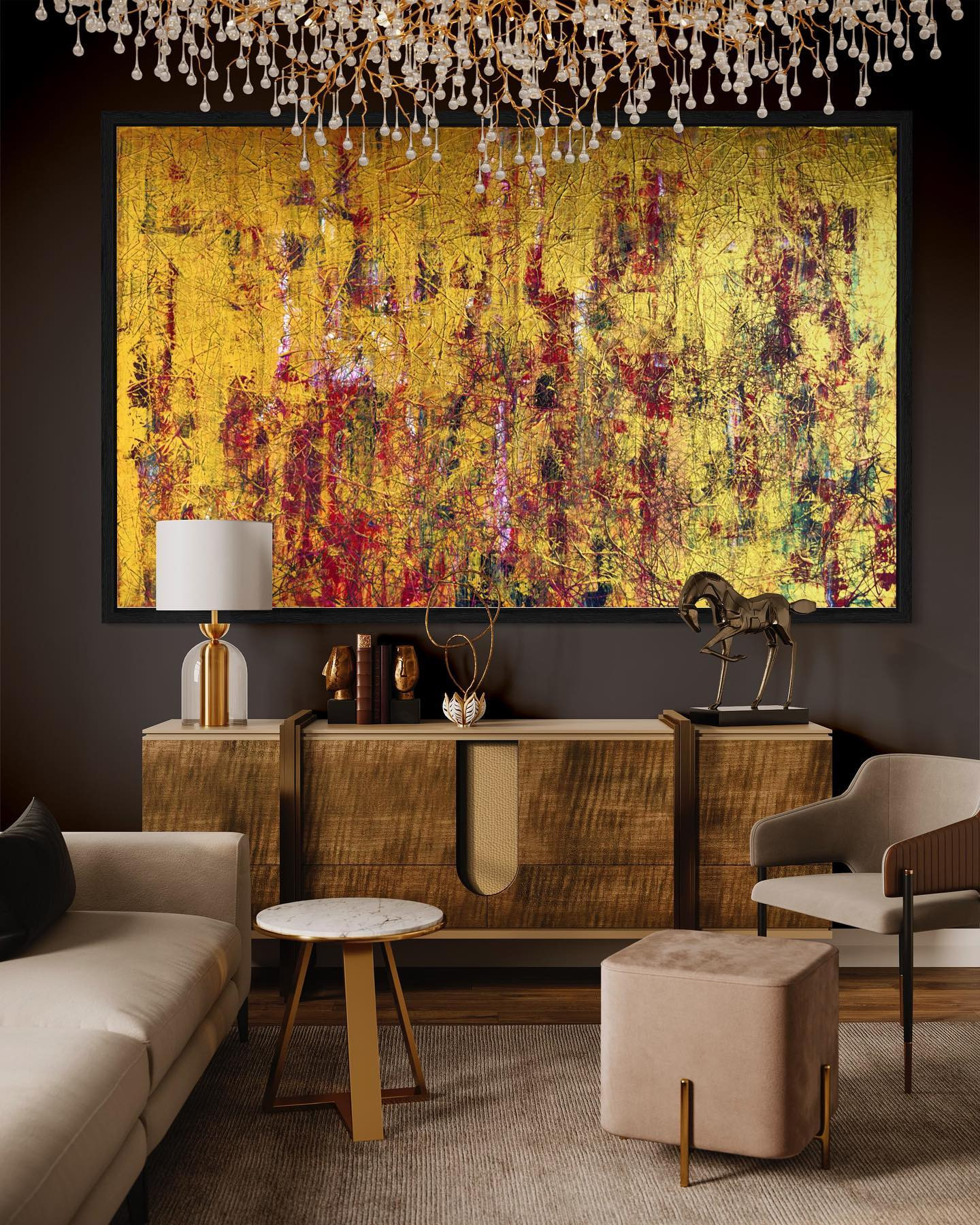
Later that year, his solo exhibition Defragmentation at Mimosa Gallery in Da Lat expanded this language on a larger scale. Featuring a 20-metre panoramic canvas alongside large-scale works, the exhibition explored memory, fragmentation, and reconstruction. Through sweeping gestures and layered colour, Shenevsky invited viewers to experience the tension between chaos and order, rupture and continuity, inner turbulence and emotional repair.
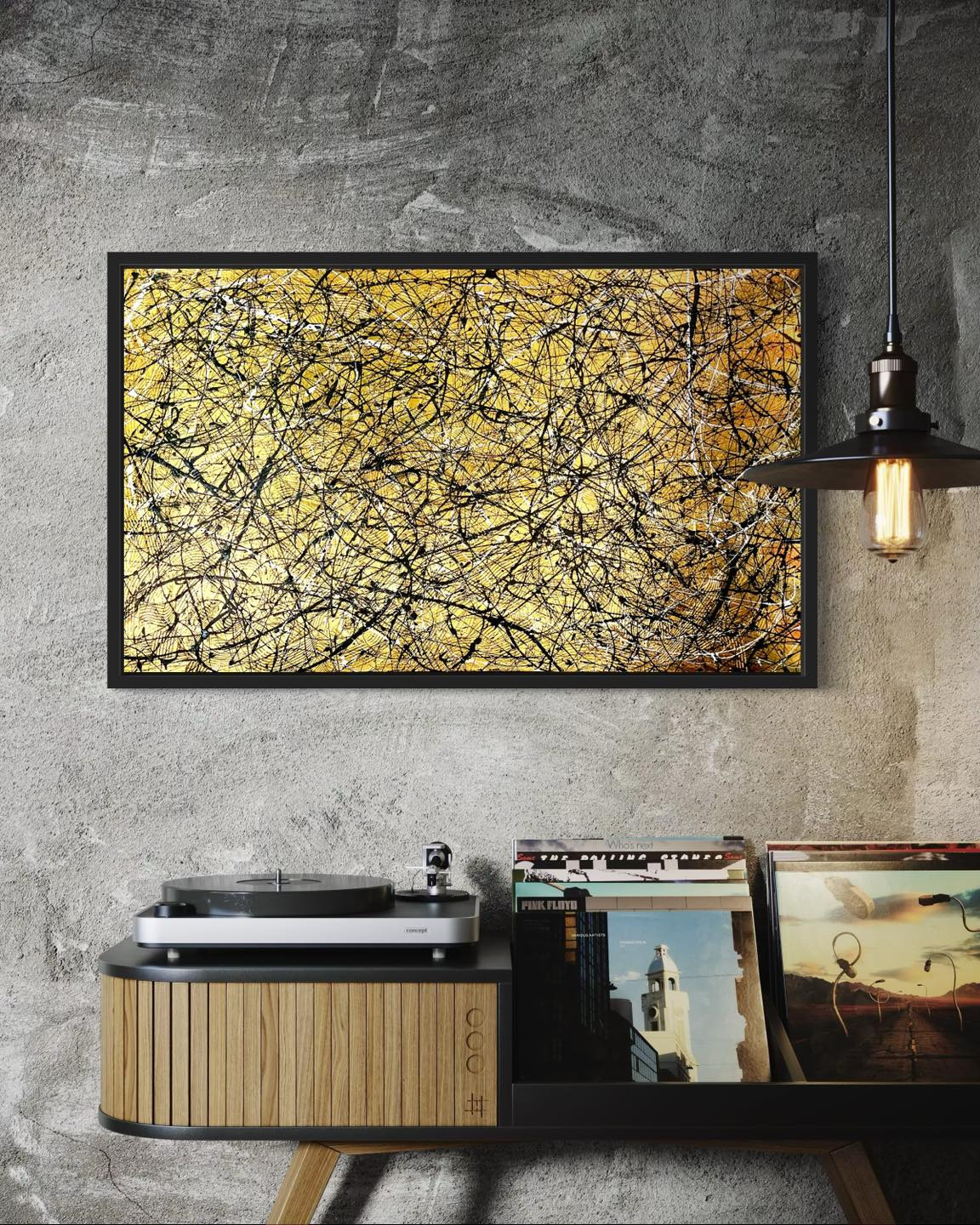
His connection to music also remains central. In 2024, during the finale week of the Grand Opus International Piano Competition, Shenevsky presented a live painting performance in dialogue with Bích Trà’s Chopin Concerto. The event extended the concert beyond sound, turning music into a visual and spatial experience. In that moment, painting returned to its first source: rhythm, listening, and response.
Across exhibitions, performances, publications, auctions, and special projects, Shenevsky’s practice continues to evolve in Vietnam. His art moves between private emotion and public encounter, between instinct and composition, between what is broken and what can still be reassembled.
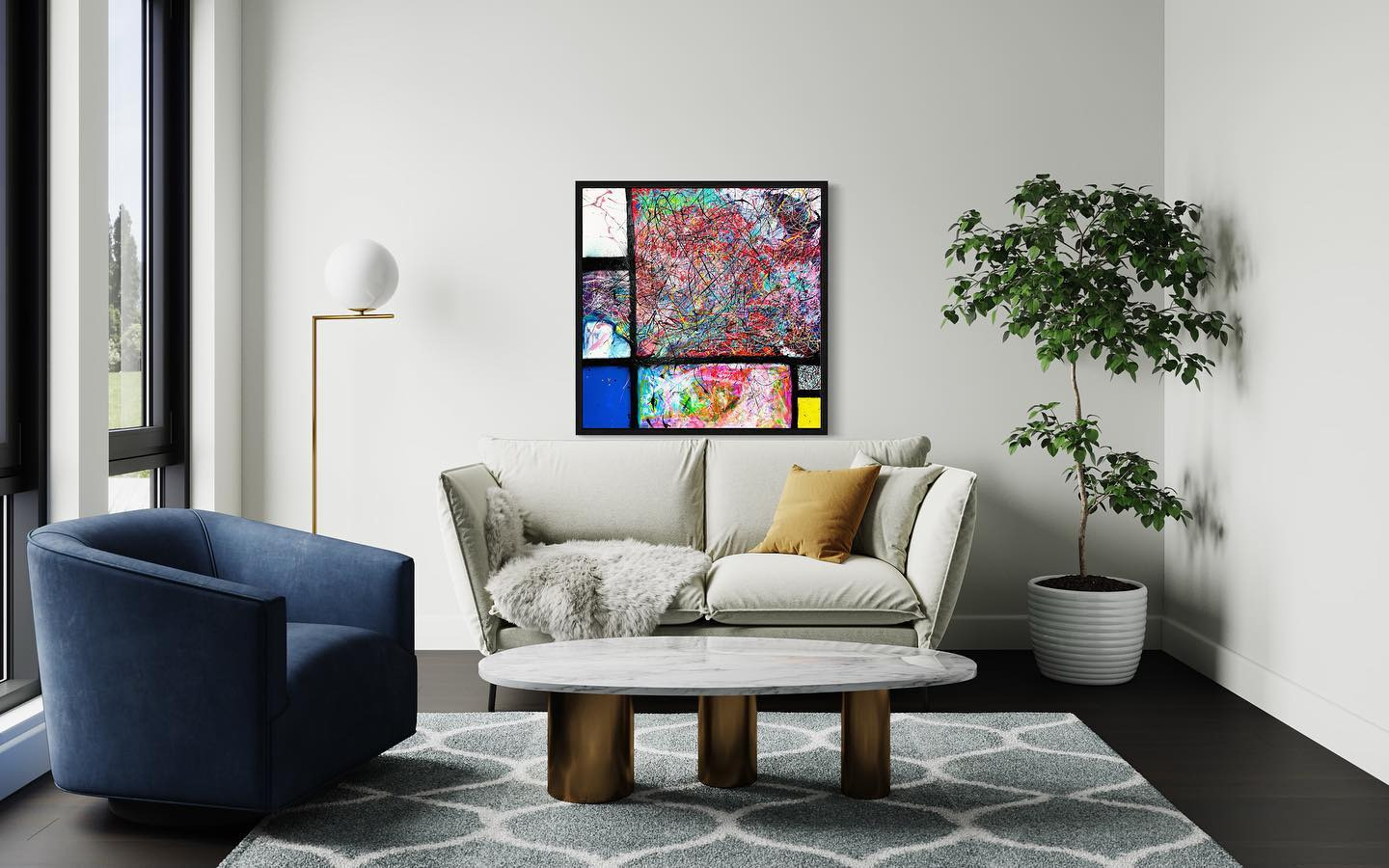
At the core of his work lies a simple but powerful question: how can chaos become form? Ivan Shenevsky does not answer this through words. He answers through colour, movement, and gesture. His paintings do not explain emotion from a distance. They enact it, allowing viewers to pause, reflect, and find their own meanings within the fragments.