Son Nguyen is a media producer whose practice moves across writing, photography, video, social media, and digital platforms. With years of experience shaping tailored visual content, he works closely with brands and collaborators to create narratives that feel precise, resonant, and emotionally attuned across contemporary image-making.
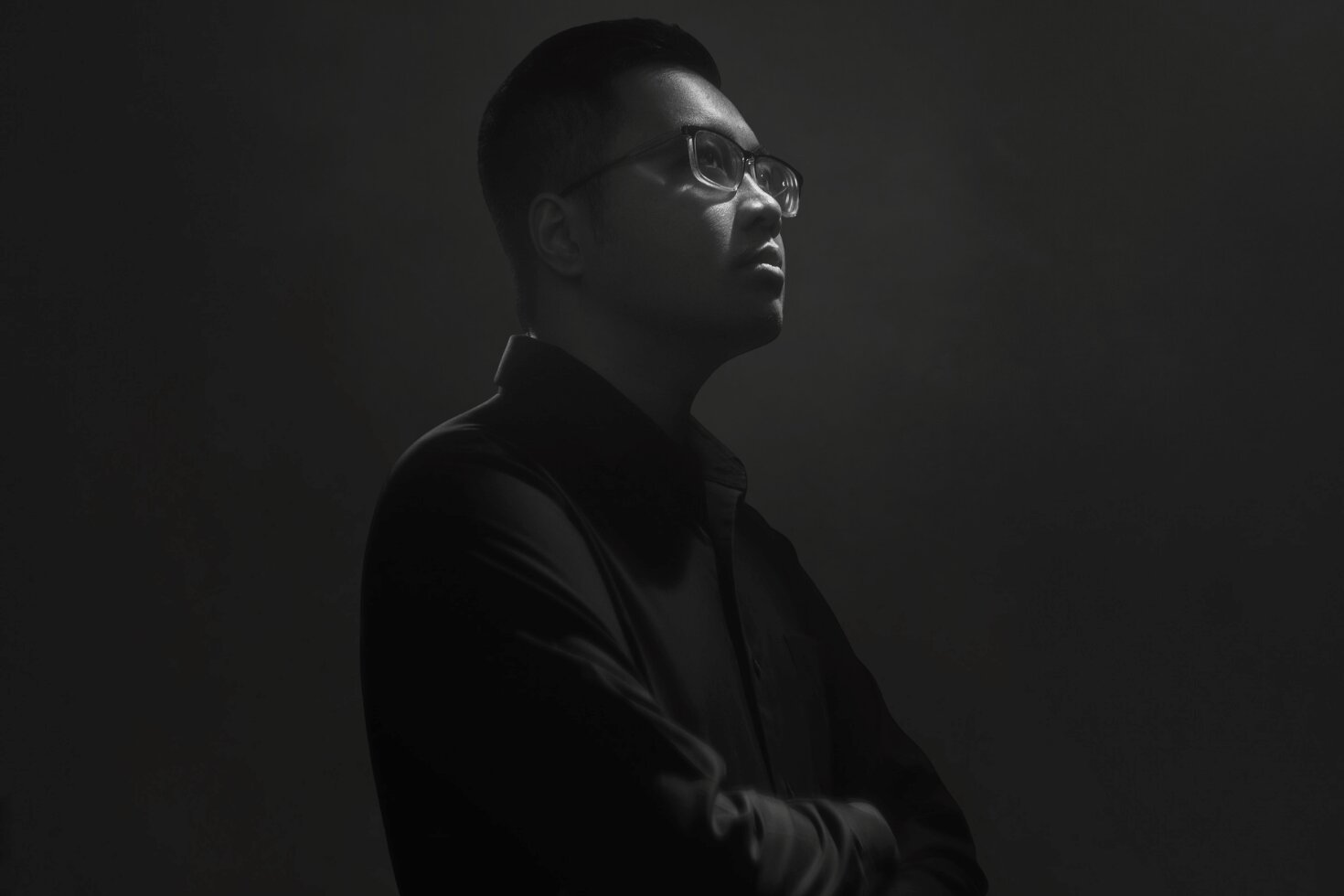
For Son Nguyen, visual creation begins with the question of how an image can speak before language arrives. Trained through years of producing tailored content for brands, audiences, and digital platforms, Son understands the discipline behind communication: the need to know who one is speaking to, what emotion should be carried, and how a message can remain memorable after the first encounter. Yet within his personal photography, this professional clarity softens into something more introspective. The image is no longer only a tool for strategy. It becomes a chamber for feeling.
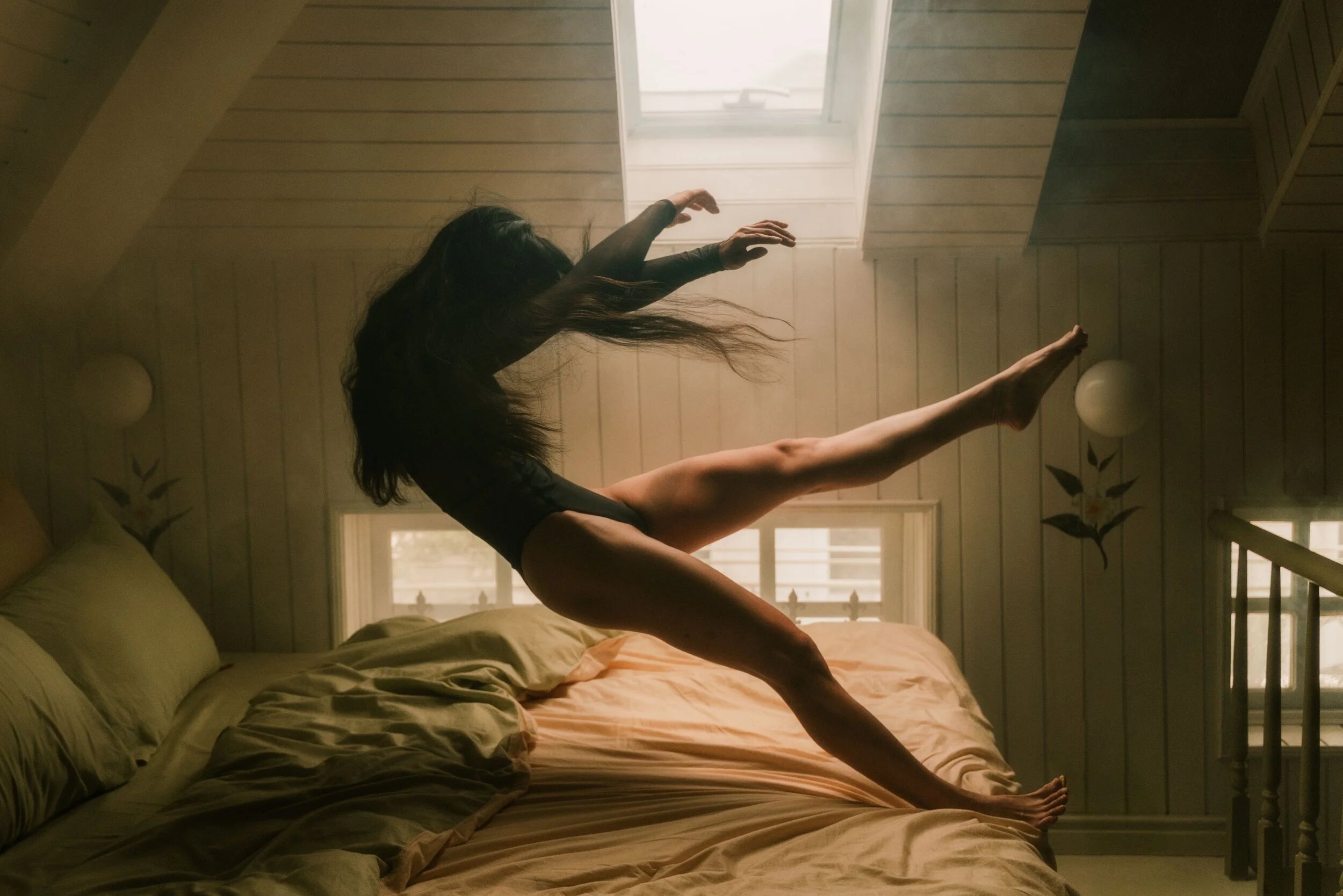
His 2025 photo series I feel lost in my own house, created with model and dancer Suki Ly, turns this sensitivity inward. Shot in a dark room, using only natural light from the outside world, the series attempts to visualise social isolation as a state of suspended awareness. It is not the loneliness of being physically alone, but the more elusive condition of being trapped inside the same emotional space for too long, conscious of the world beyond, yet unable to move toward it.
The title carries the quiet ache of the work. A house is meant to offer shelter, recognition, and ease. In Son’s photographs, it becomes something more uncertain: a familiar space that has slowly turned unfamiliar, a private interior where the self begins to feel distant from its own surroundings. The room does not imprison through force. It confines through stillness.
Light is used sparingly, almost as a form of restraint. Entering from outside, it gestures toward life, movement, and connection, but it never fully dissolves the darkness. This fragile contrast gives the series its emotional tension. The outside world exists, close enough to be sensed, yet distant enough to remain unreachable. Between shadow and light, Son constructs a visual language of psychological distance.
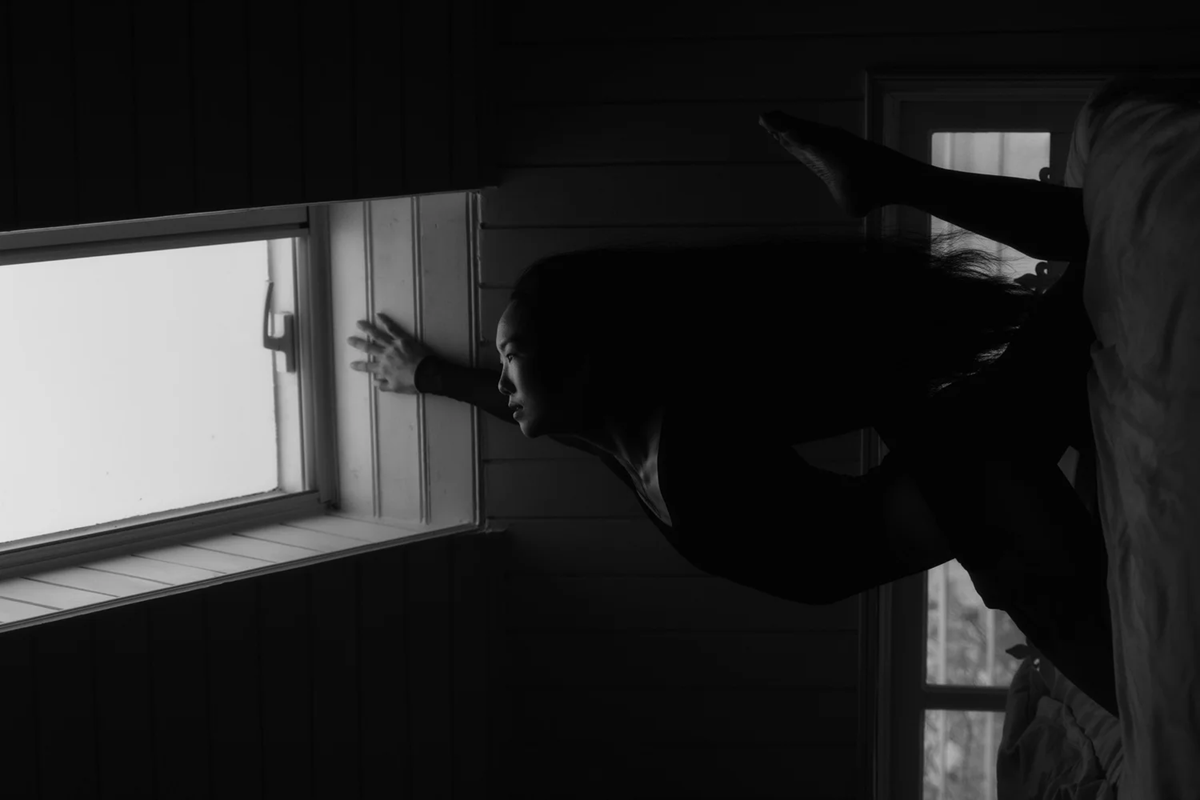
Suki Ly’s presence deepens this language. As a model and dancer, she brings an awareness of the body as an expressive instrument. Her gestures do not dramatise isolation. Instead, they inhabit it with quiet precision. A turned face, a folded posture, a pause in movement, each becomes a subtle sign of an inner battle that cannot be easily explained. In her stillness, the body seems to remember freedom while remaining held in place.
The series arrives within a wider cultural moment in which loneliness has become one of the defining emotional conditions of modern life. According to recent research from the World Health Organization, around 16% of people worldwide, or one in six, are experiencing loneliness. Son does not approach this reality through documentary directness or statistical illustration. He gives it atmosphere. He gives it walls, skin, silence, and the faint trace of light pressing against a room.
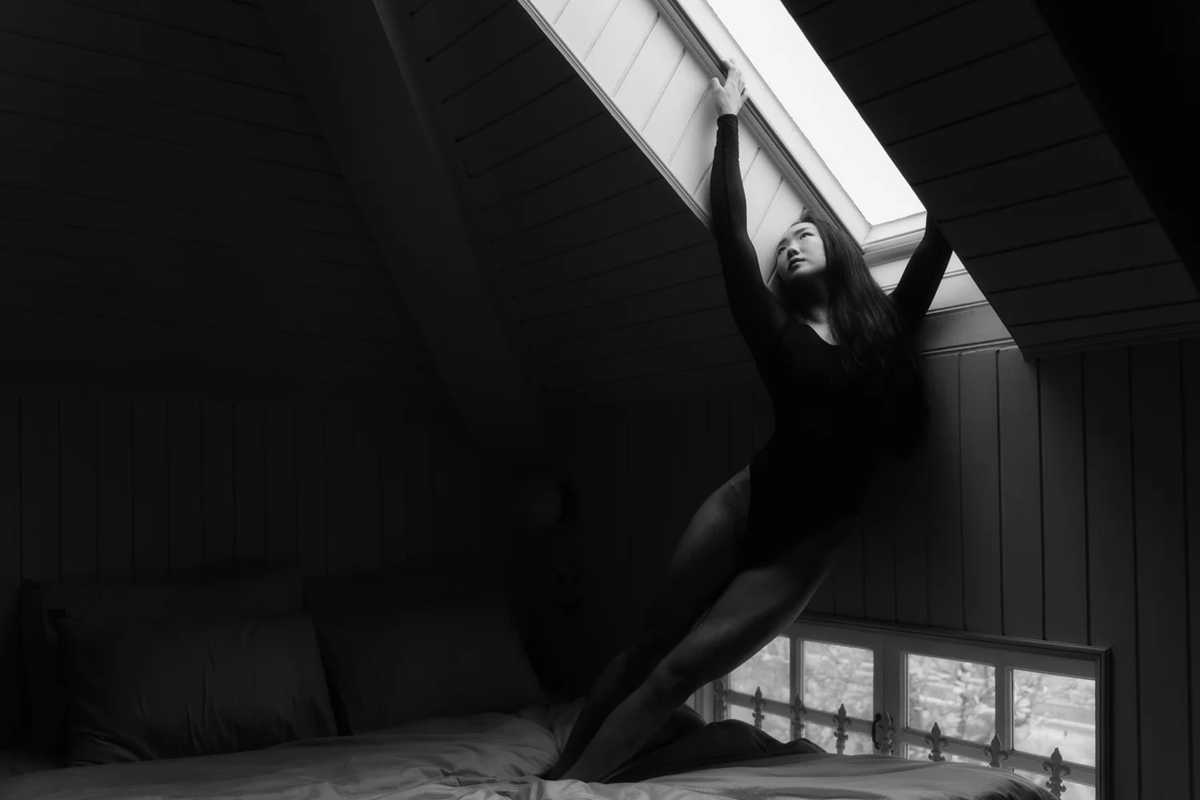
What makes I feel lost in my own house affecting is its refusal to overstate. The photographs do not demand sympathy. They invite recognition. They remind viewers that isolation often unfolds quietly, behind familiar doors and ordinary routines, within people who may still appear present to the outside world.
Through this work, Son Nguyen extends his practice beyond content production into emotional witnessing. His camera does not simply compose an image; it listens for what remains unsaid. In I feel lost in my own house, loneliness is not presented as an abstract idea. It becomes a room we may have entered before, and a reminder to reach for those still waiting inside.