Across Asia, a new kind of luxury travel is taking root beneath forest canopies. Far from crowded beaches and glittering skylines, travellers are rediscovering the quiet power of nature. In these secluded sanctuaries, luxury is no longer measured by spectacle but by stillness, wellbeing, and a deeper connection with the land.
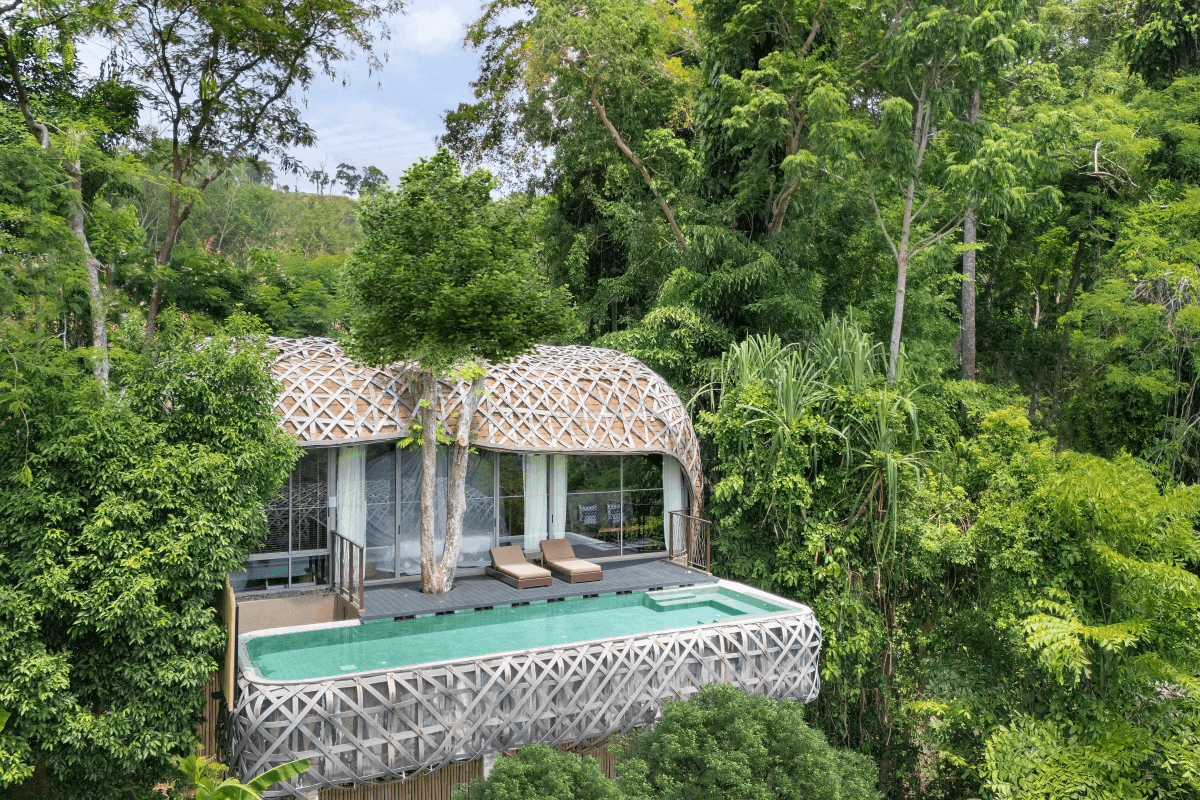
For decades, the most coveted holidays unfolded along pristine beaches or within towering urban hotels. Today, however, travellers are turning toward a different landscape entirely. Forest destinations, once considered too remote or rustic for luxury tourism, are emerging as the new frontier of high-end travel.
With the ecotourism market projected to exceed USD 1 trillion by 2033, Asia leads this transformation. Nature is no longer just scenery. It is the core experience, the central experience.
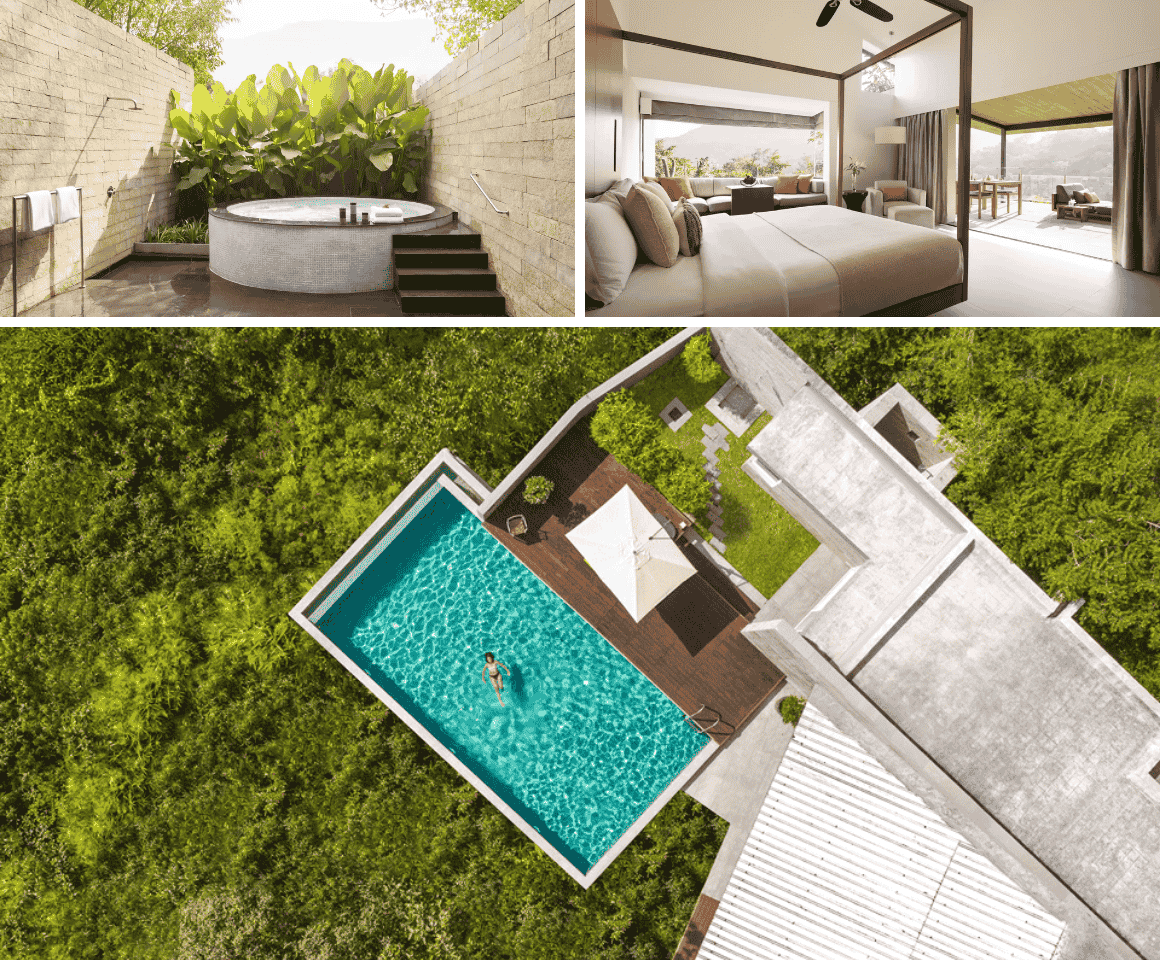
In India’s Western Ghats, Dharana at Shillim sits within a vast 2,500-acre valley where more than one million trees have been restored. The retreat centres on holistic healing, offering Ayurvedic therapies, forest bathing rituals, and herbal cuisine designed to nourish both body and mind.
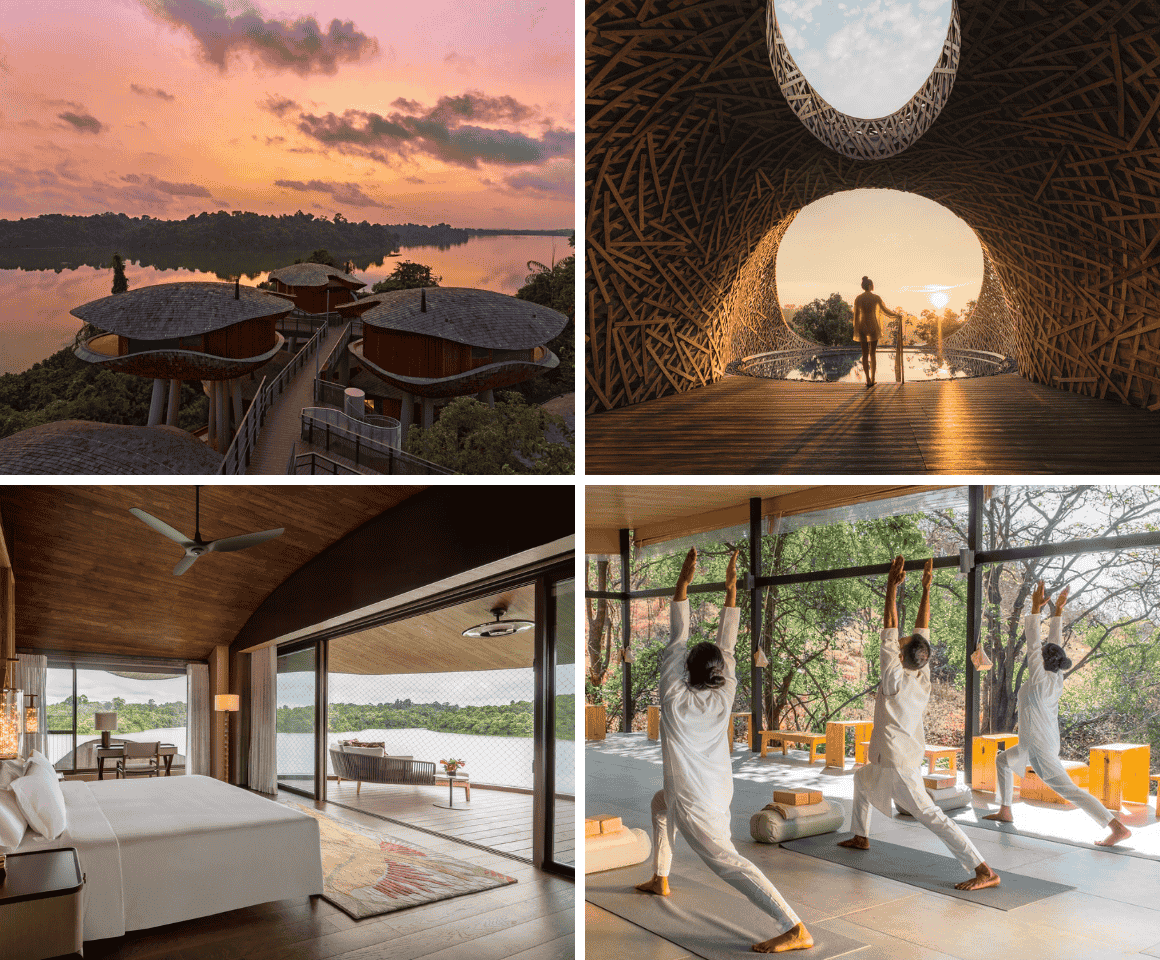
Singapore offers a different interpretation of forest luxury through Mandai Rainforest Resort, Banyan Tree’s first property in the city. Here, biophilic architecture takes centre stage. Treehouse villas shaped like seed pods rise above the rainforest floor, while guests enjoy exclusive access to the wildlife reserves surrounding the property.
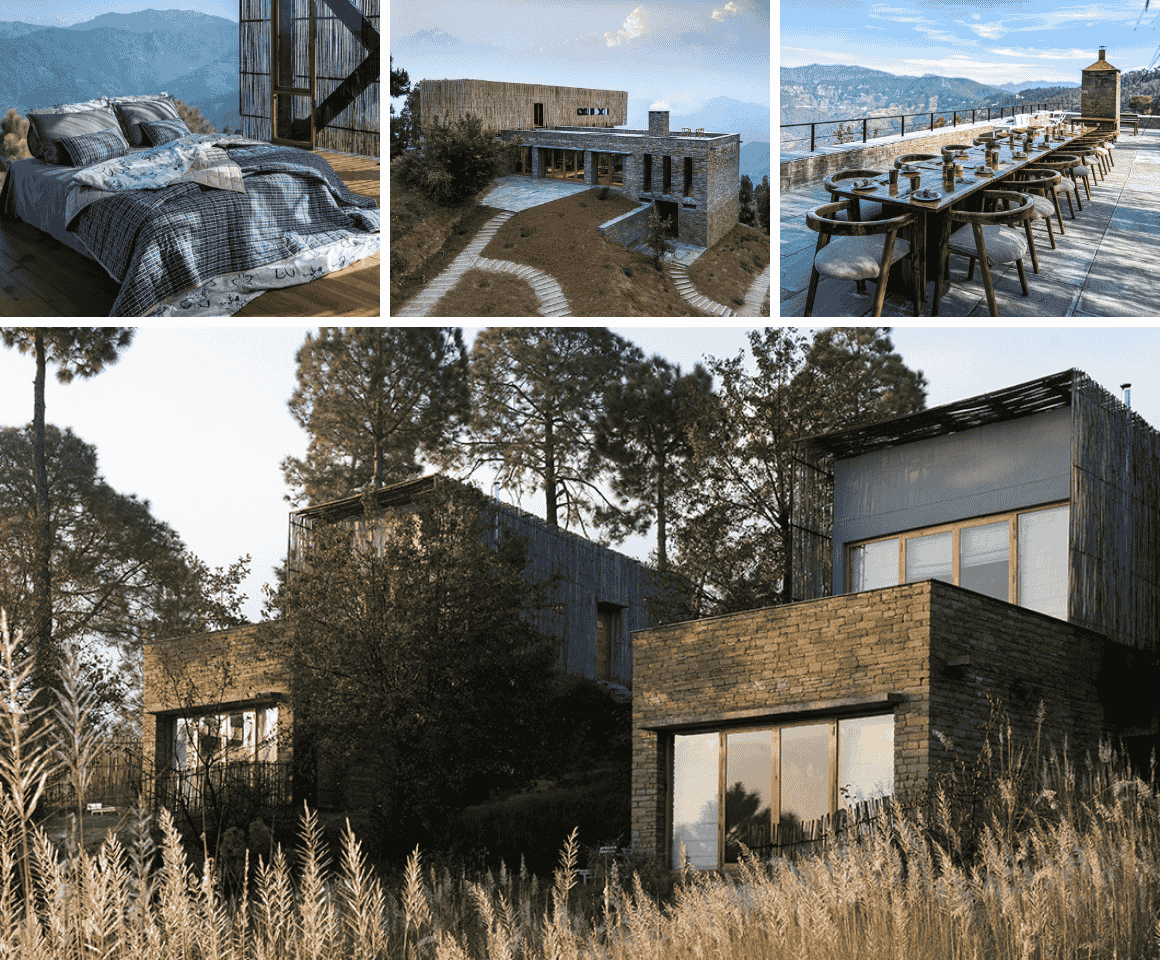
High in the Himalayas, The Kumaon defines quiet luxury through simplicity. Just ten suites are spread across stone and bamboo structures overlooking the Nanda Devi mountain range. Guided forest walks and locally sourced cuisine highlight the deep connection between landscape and lifestyle.
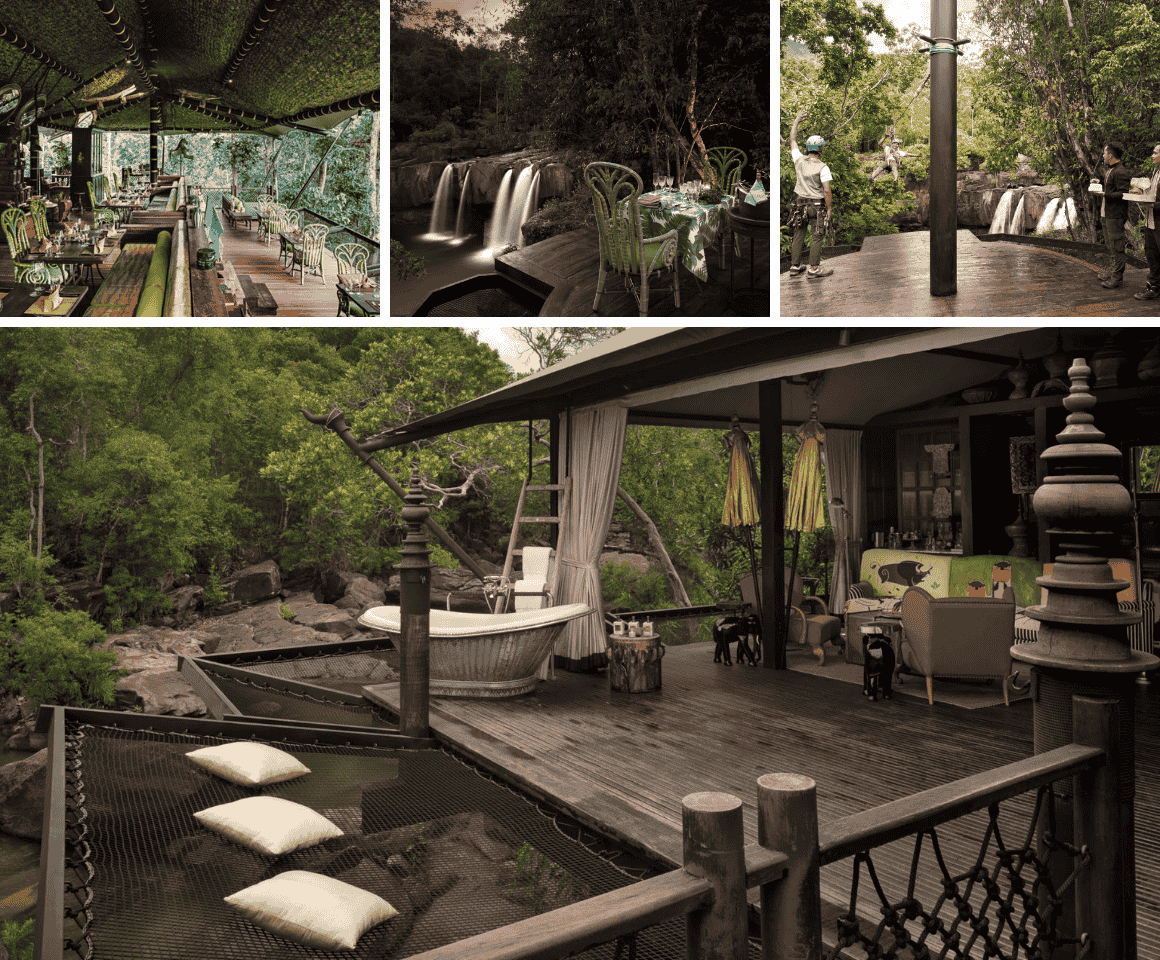
Adventure takes a more dramatic form at Shinta Mani Wild in Cambodia’s Cardamom National Park. Designed by Bill Bensley, guests arrive by zipline before settling into tented suites suspended above rushing rivers. The resort’s conservation initiatives even allow visitors to join anti-poaching patrols.
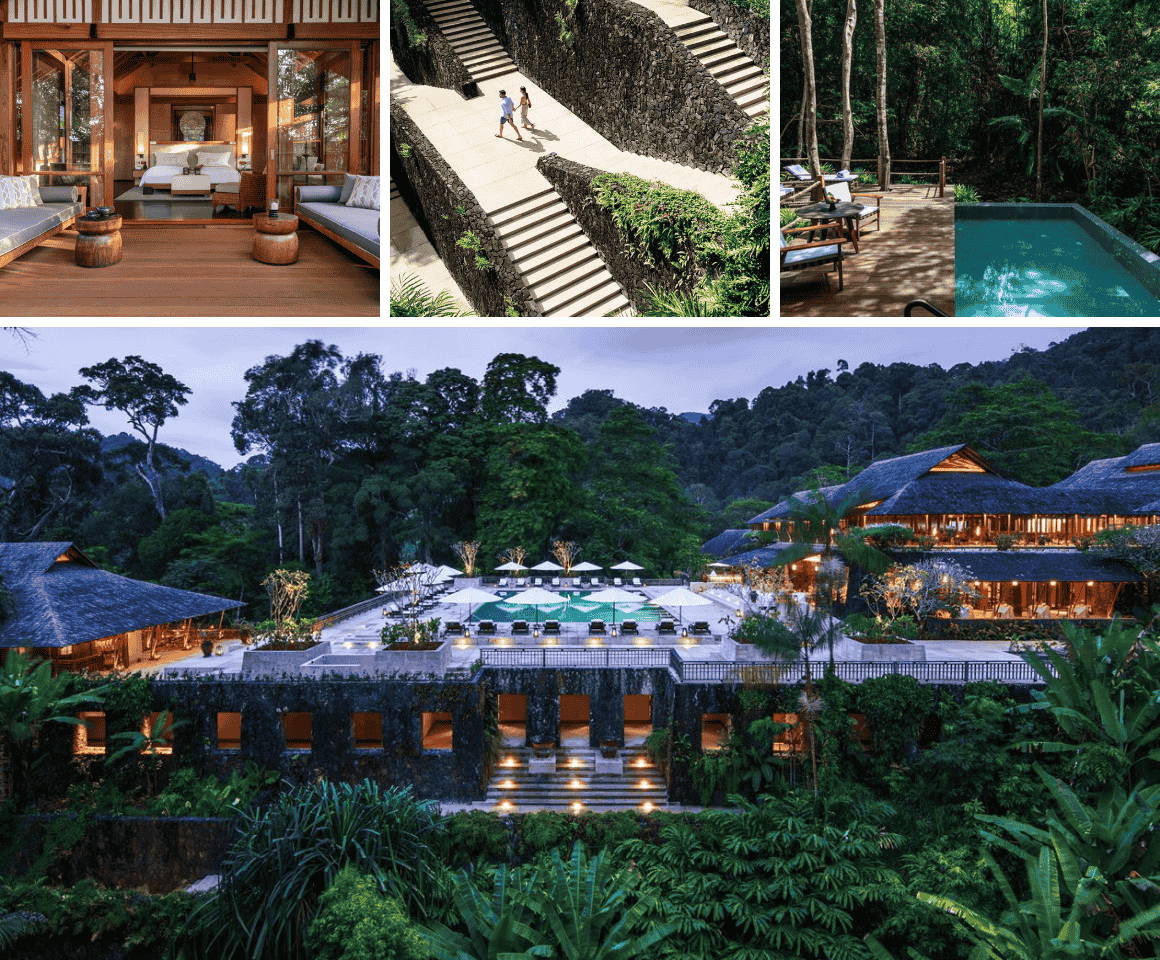
In Malaysia, The Datai Langkawi remains one of the pioneers of rainforest hospitality. Set within a 10-million-year-old forest, the resort integrates nature into every aspect of the guest experience, from its resident naturalists to permaculture gardens that supply the kitchen.
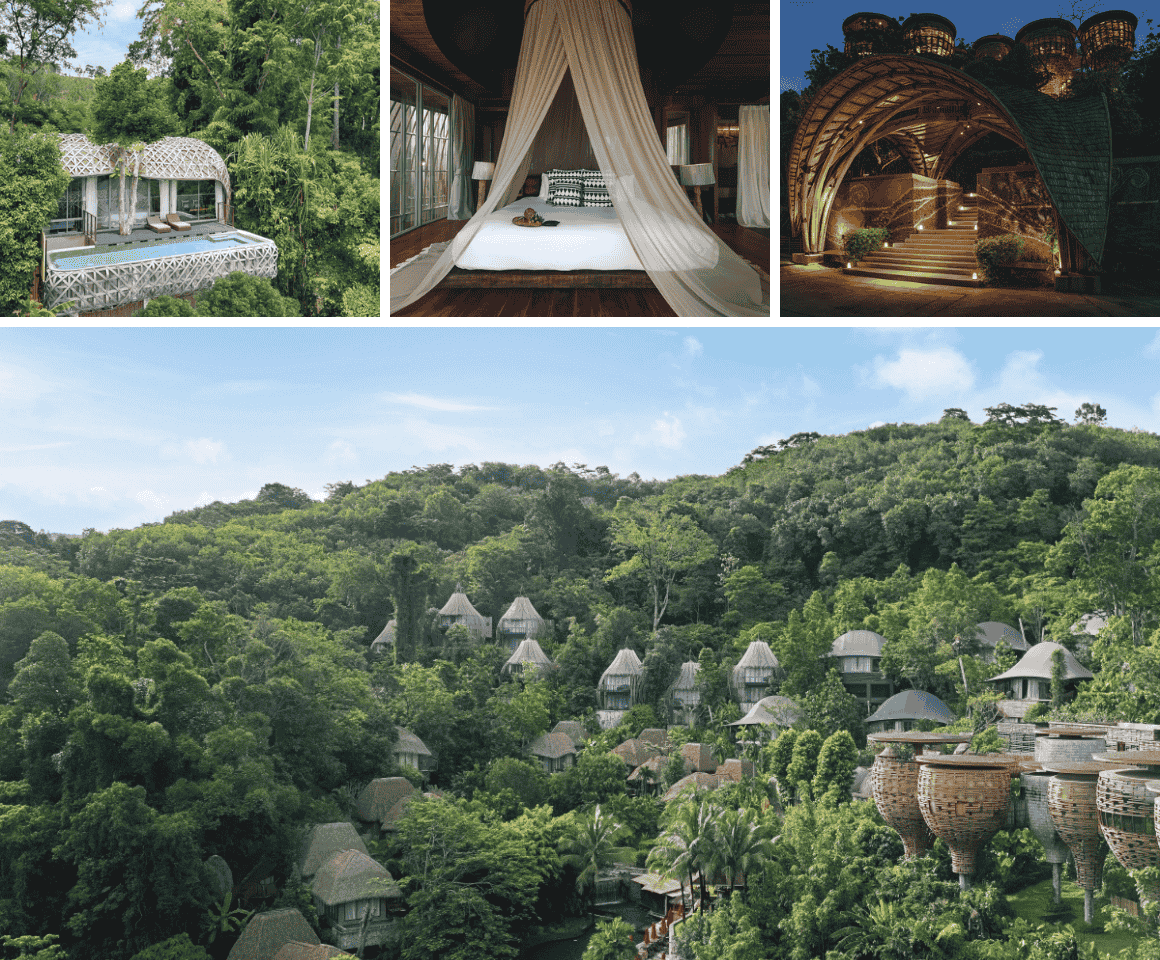
Meanwhile in Phuket’s forested hills, Keemala blends mythology and design. Villas inspired by four legendary tribes appear like dreamlike treehouses above the jungle canopy, while wellness rituals draw on traditional Thai healing practices.
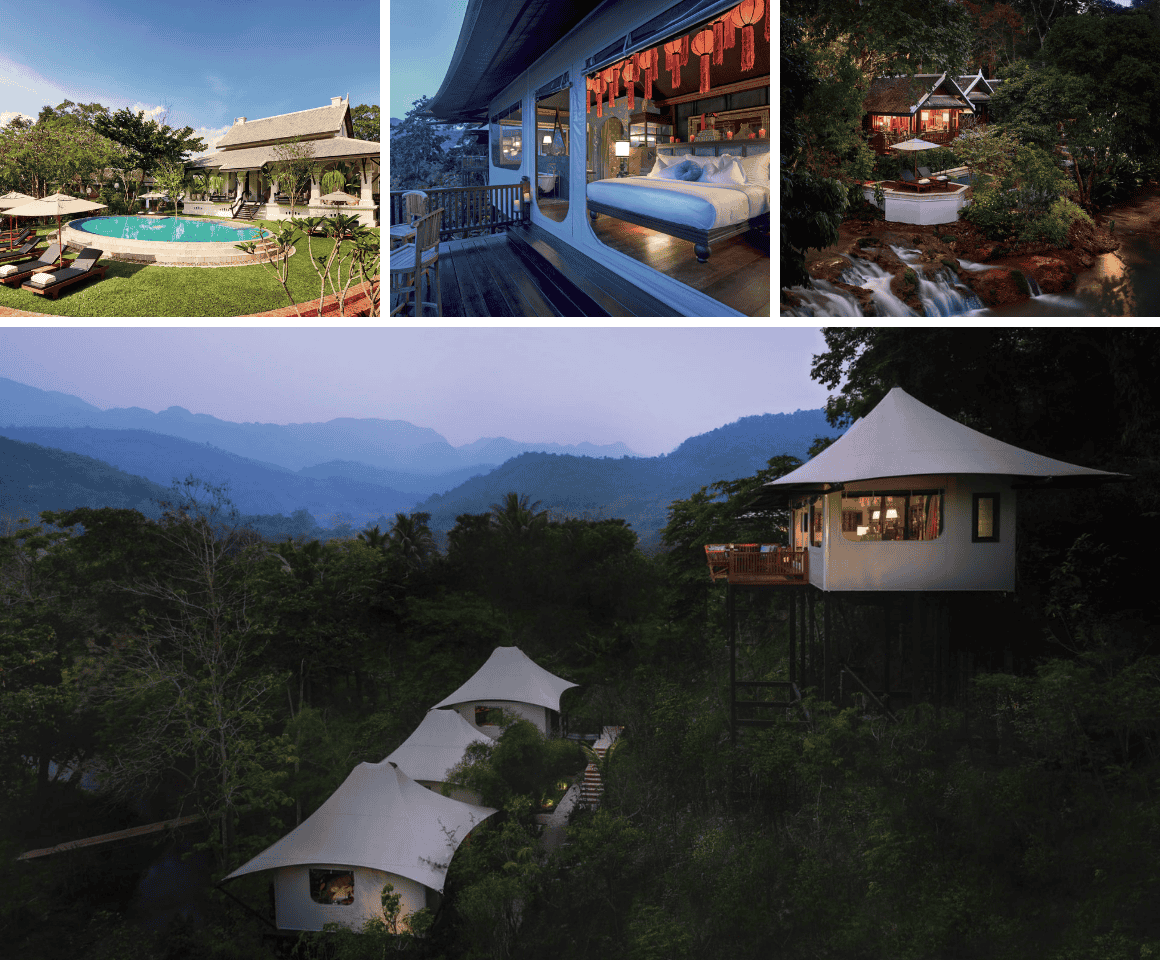
In Laos, Rosewood Luang Prabang hides within a lush valley just minutes from the historic town. Riverbank villas and tented suites evoke the romance of old-world expeditions, while jungle spa treatments draw inspiration from local traditions.
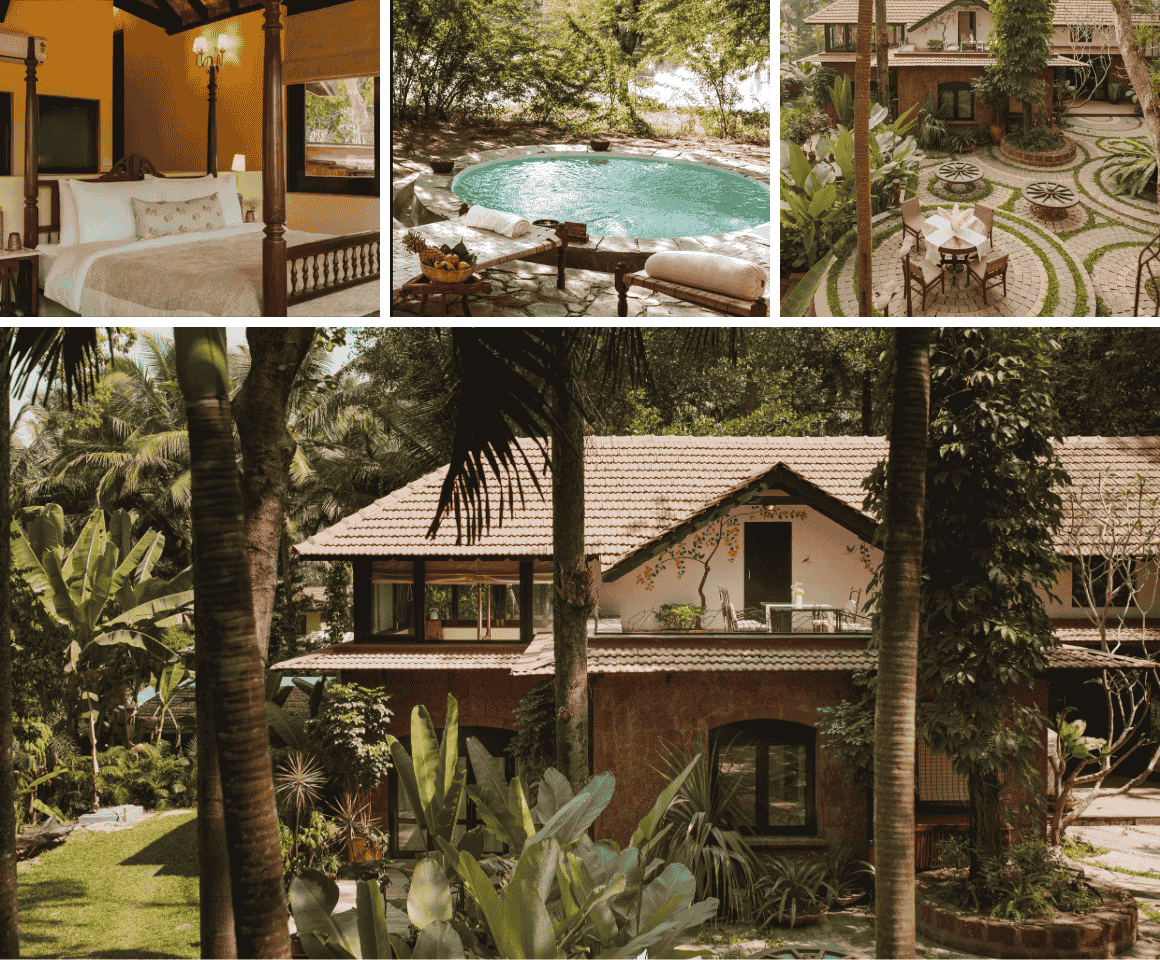
India’s Brij Paraiso offers a more intimate forest escape in Goa, where Indo-Portuguese architecture meets birdwatching trails and locally inspired cuisine.
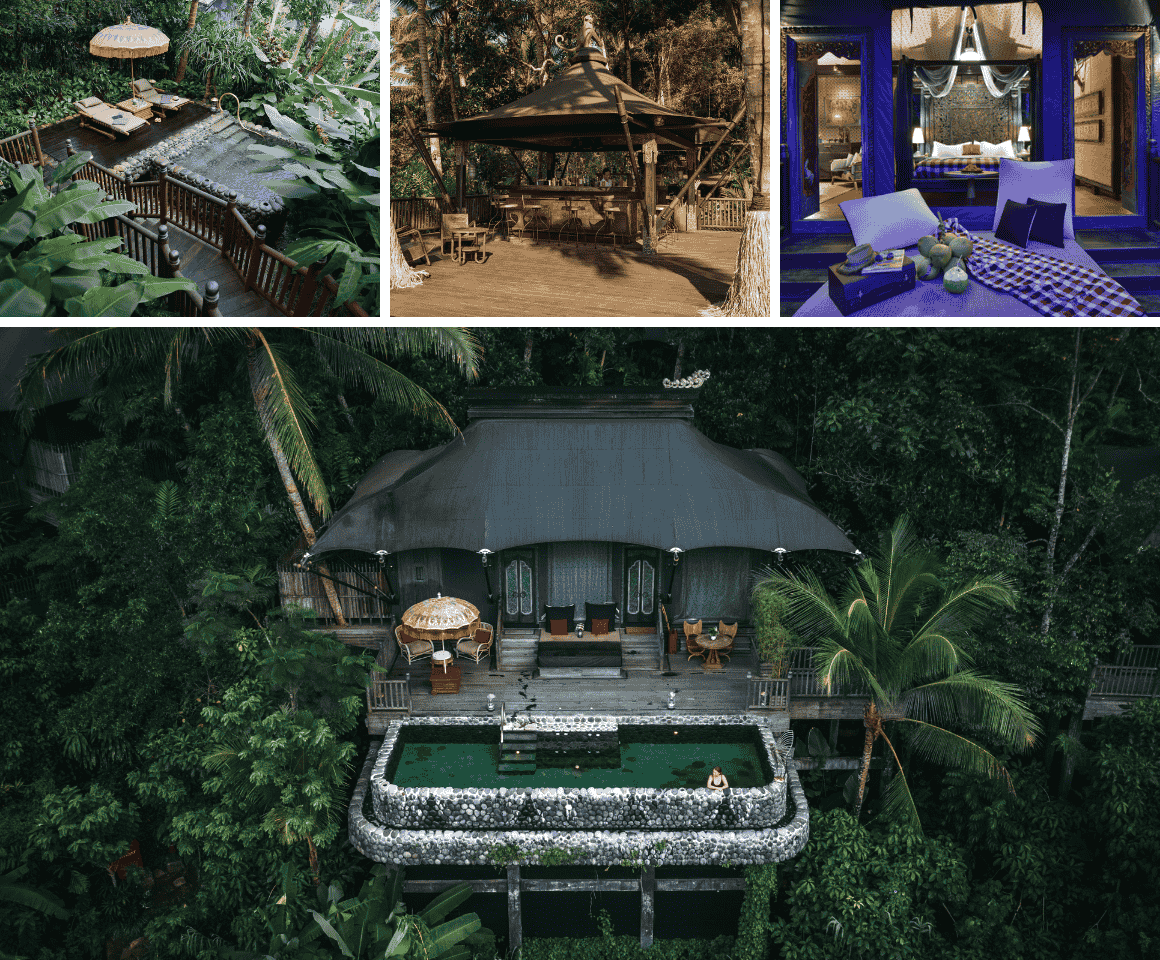
Finally, in Bali’s Keliki Valley, Capella Ubud transforms the idea of a jungle expedition into a luxurious reality. Twenty-three tented villas are connected by elevated walkways designed to preserve the surrounding forest, while Auriga Spa and Api Jiwa restaurant complete the immersive experience.
These properties represent a fundamental shift in hospitality values. The next era of travel focuses on intentional living and environmental preservation. In the forests of Asia, travellers are discovering that true luxury is found in a quiet reconnection with nature.