Seeing the Northern Lights is an awe-inspiring experience that promises to leave even the most seasoned traveller filled with wonder. Here’s how best to chase the aurora borealis over Sweden while revelling in some of the most stylish abodes the Arctic Circle has to offer.
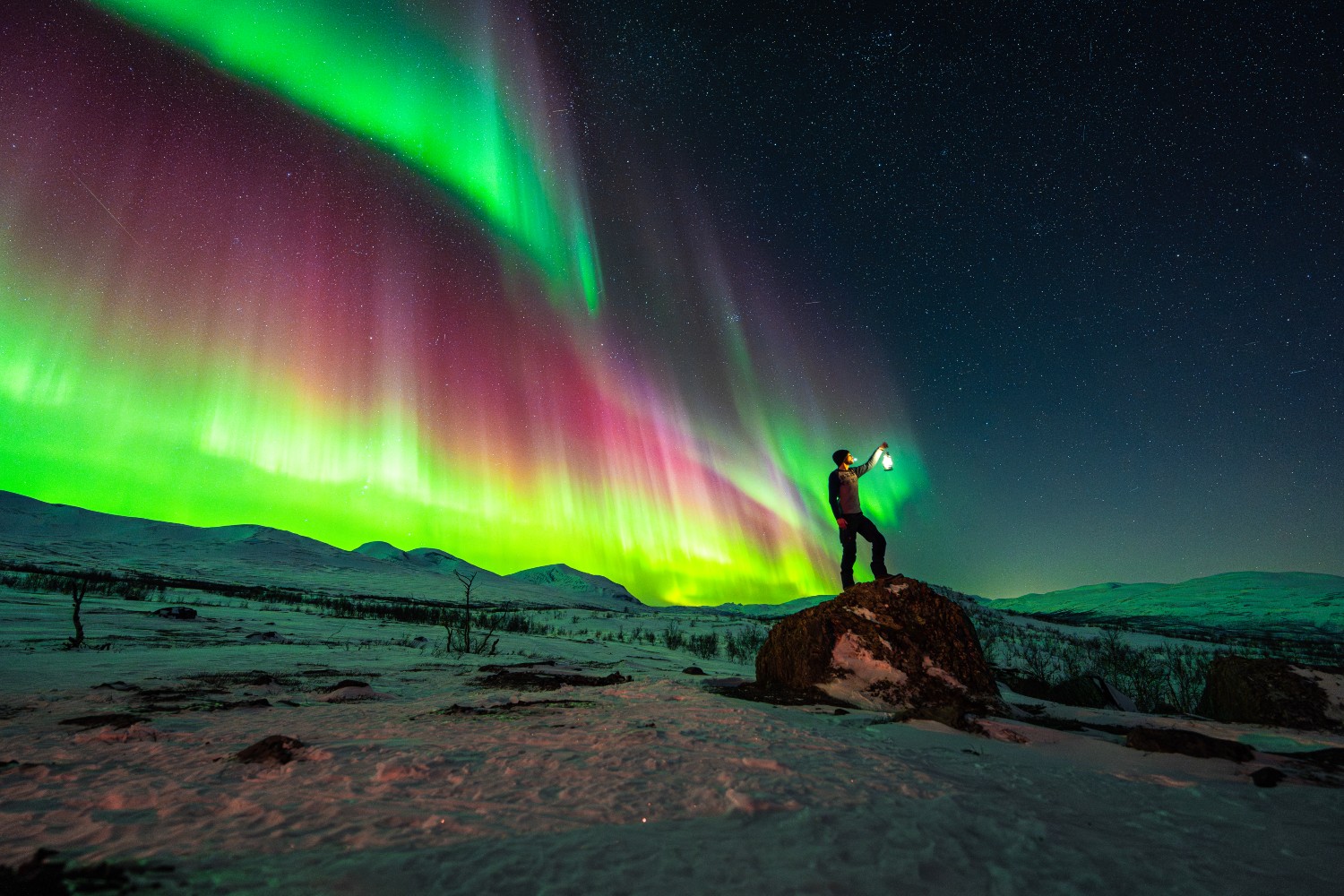
There is something incredibly otherworldly about the way an aurora manifests in the sky. At first, it arrives as a subtle, ghostly pillar of grey, streaming down from the heavens like a long streak of cloud. Then it builds in strength – shifting, writhing, twisting against the darkness of the night – until flickers of green, red, purple, or blue reveal themselves, presenting a magnificent spectacle for the viewers below.
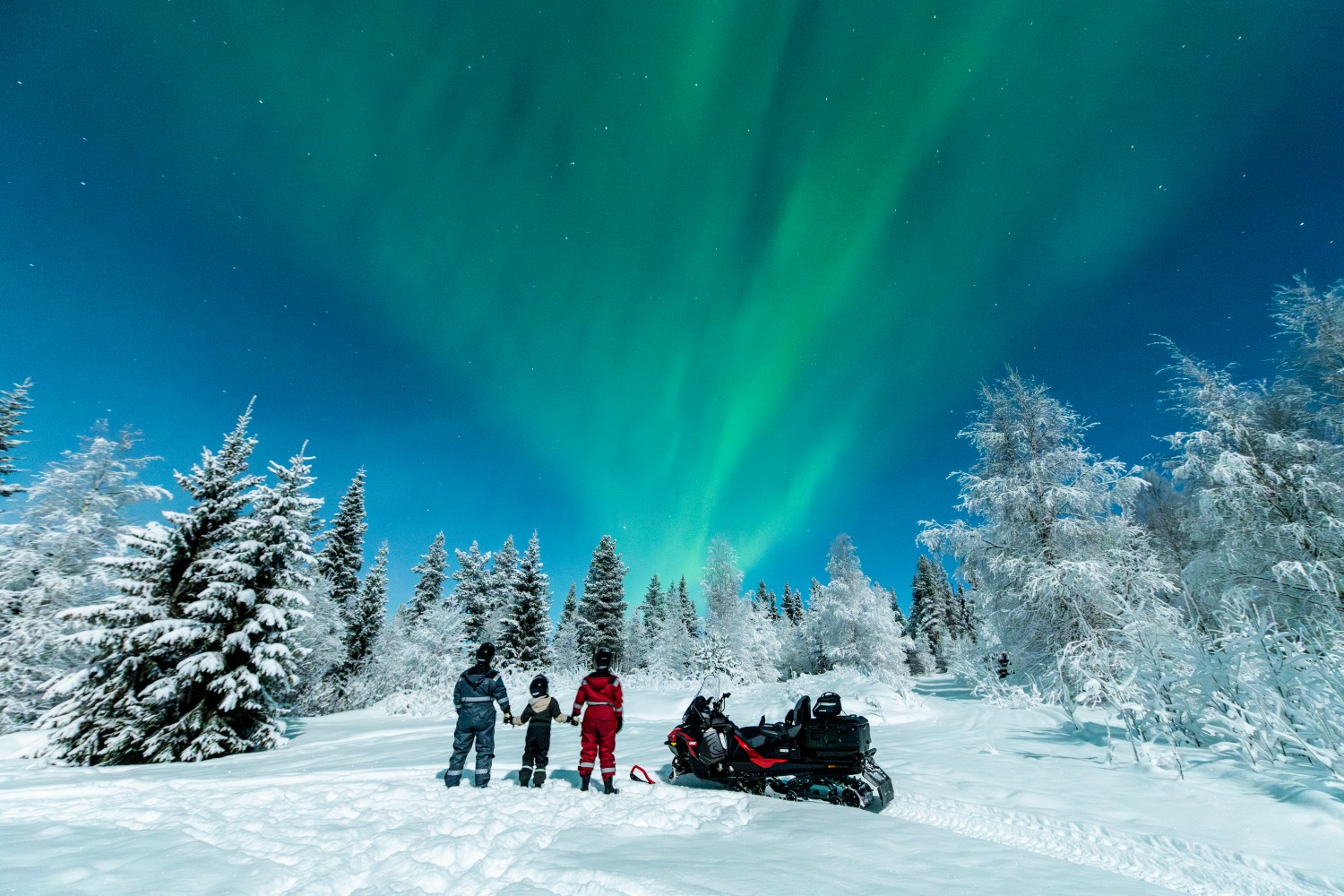
Perhaps that’s why the Vikings attributed the Northern Lights to their ancient Nordic deities, with some interpreting the aurora borealis as the breath of warriors who had given their lives in battle. Others insist that it was a ‘Bifrost Bridge’ transporting soldiers to the great hall of Valhalla. In Sweden, auroras were celebrated as a gift from the gods or a welcome sign of good news, heralding a sizeable catch for fishermen or a bountiful harvest for farmers. And although the scientific explanation behind them is that of magnetic storms triggered by solar activity, witnessing an aurora in the sky above still carries a touch of magic about it.
The auroral oval in the northern hemisphere – a ring-shaped region where the aurora borealis is visible – spans areas within countries such as Iceland, Finland, Norway, Canada, and Russia, typically at latitudes between 60 and 75 degrees. They are best viewed at night in remote, sparsely populated rural areas with as little light pollution as possible. In short, the opposite of most conventional holiday destinations. For travellers keen to witness their first aurora with their very own eyes, Sweden’s well-established aurora tourism industry provides a variety of aurora-focused experiences that combine thrilling adventures with Scandinavian luxury.
Lights Over Lapland’s aurora-chasing tours cover a maximum distance of 100km, all in pursuit of the most spectacular photographs of the Northern Lights.
Timing and planning are crucial: the prime period to catch the Northern Lights in Sweden falls between mid-November to mid-March, with the hunting ground set as far towards the top of Lapland (the country’s northernmost province) as possible. Pack an extremely warm coat – now is the time to dig out that Canada Goose or Moncler wardrobe investment – and head for the village of Abisko, one of the best locations in the world to spot the Northern Lights. Frequently blessed with cloud-free skies, it sits 200km into the Arctic Circle and is often covered by the auroral oval, which dramatically increases chances of seeing the aurora borealis.
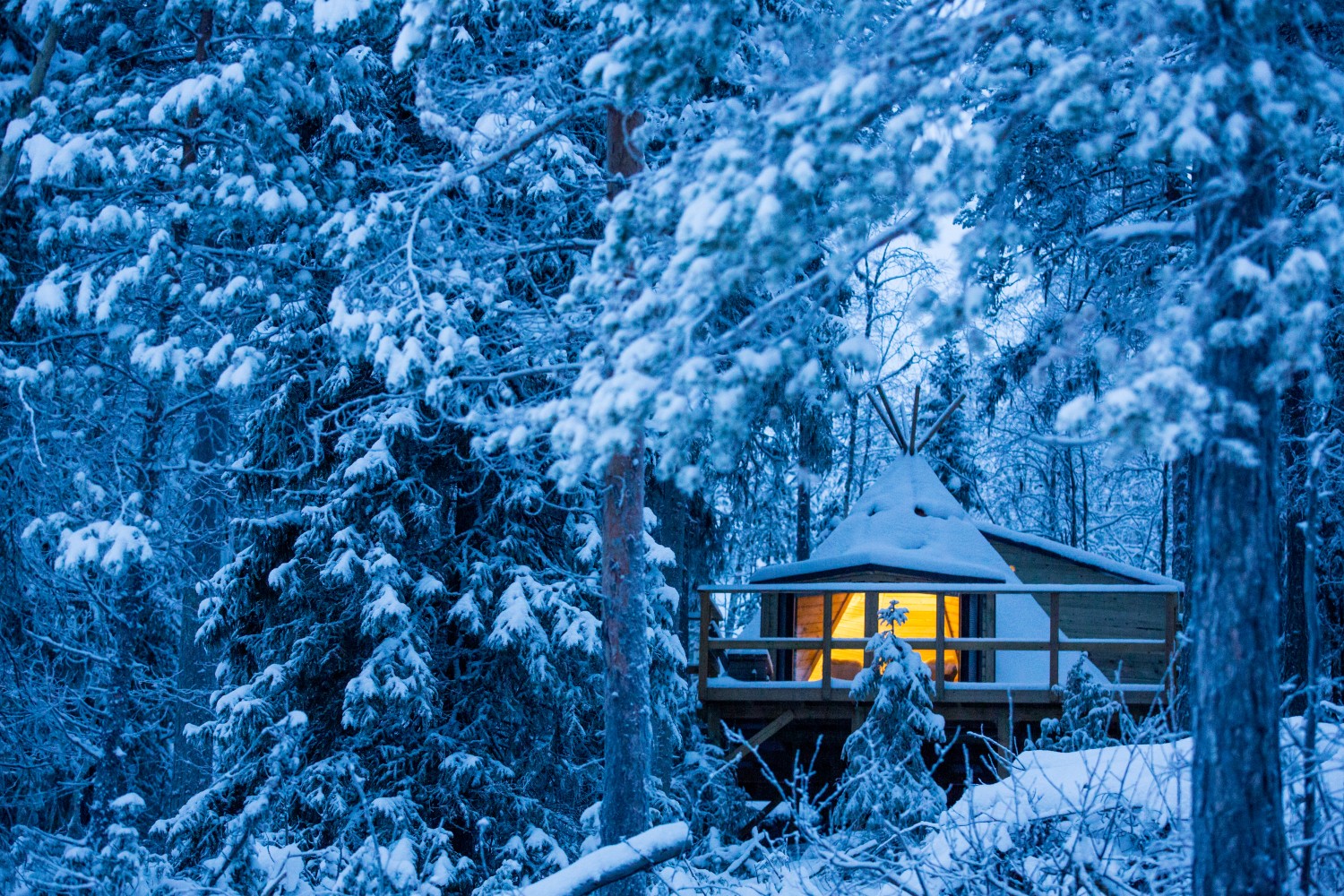
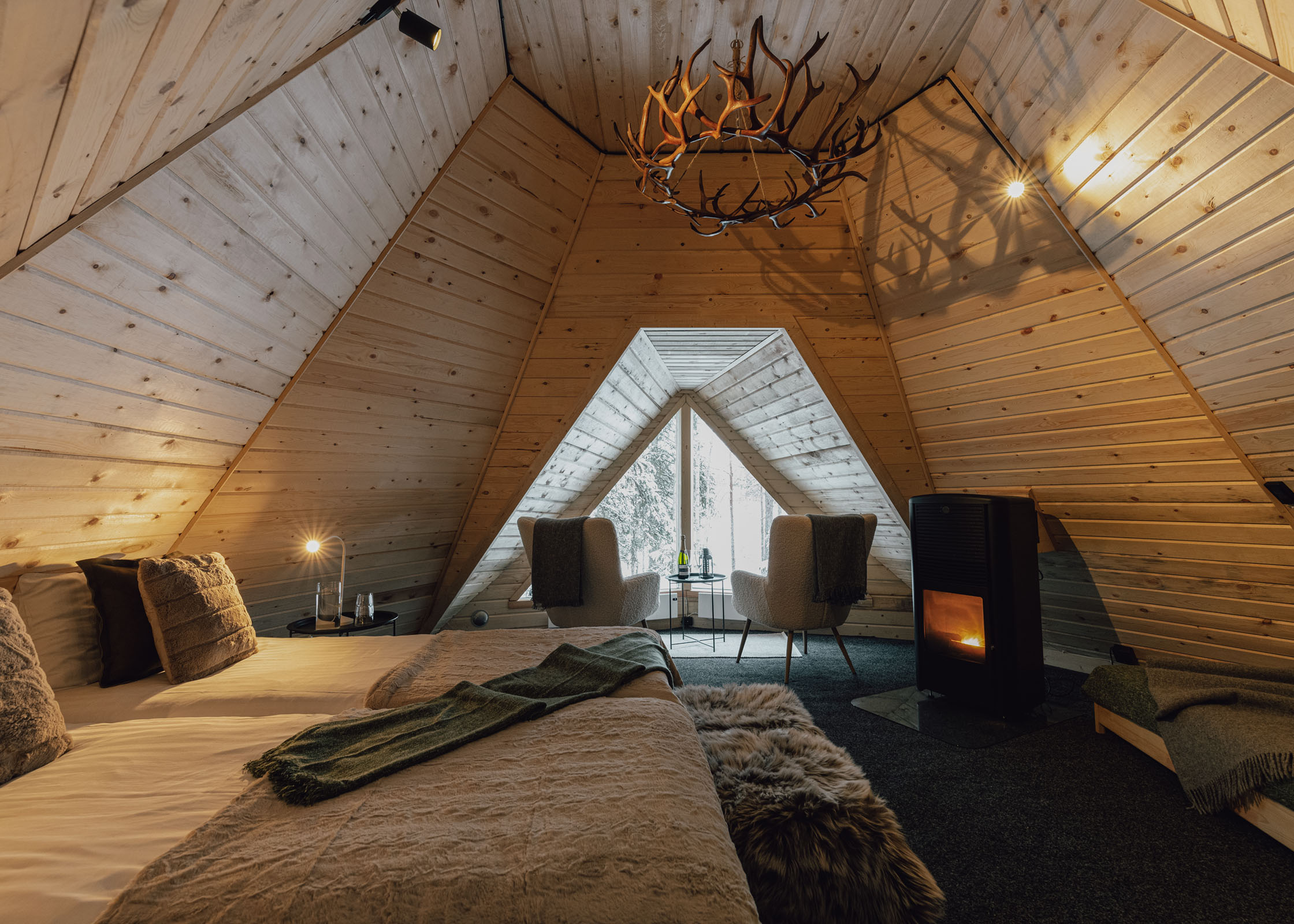
Aurora Safari Camp provides cosy, luxurious accommodation in the form of Tipi Cabins and Lapland Cone Rooms
Travellers aiming to get an impressive set of holiday pictures – even if they aren’t experts at long-exposure photography – should hop into a modern 4x4 vehicle with Lights Over Lapland, whose team of guides (all professional photographers) run aurora chasing tours in the breathtakingly scenic Abisko National Park nearby. Epicureans who prefer to capture memories with their palates can take a chairlift ride up to the park’s STF Aurora Sky Station, which stands 900m, above sea level on Mount Nuolja, and sample a Northern Light dinner featuring local Lapland produce and Nordic flavours while marvelling at the Northern Lights on show.
An hour’s drive southeast of Abisko is Kiruna – a city most famous for its iron ore mine, but also an ideal site for taking in the aurora borealis. Arctic adventure company Snowdog runs a Northern Lights Zen Husky Tour involving a 14-km dog sled ride through the frost-covered wilderness, beneath a night sky alive with stars and stunning auroras. As for travellers who would rather have a more solitary and contemplative viewing experience, aurora activity apps such as My Aurora Forecast & Alerts, Aurora Forecast or Aurora Now provide detailed information on when and where the Northern Lights are likely to appear.
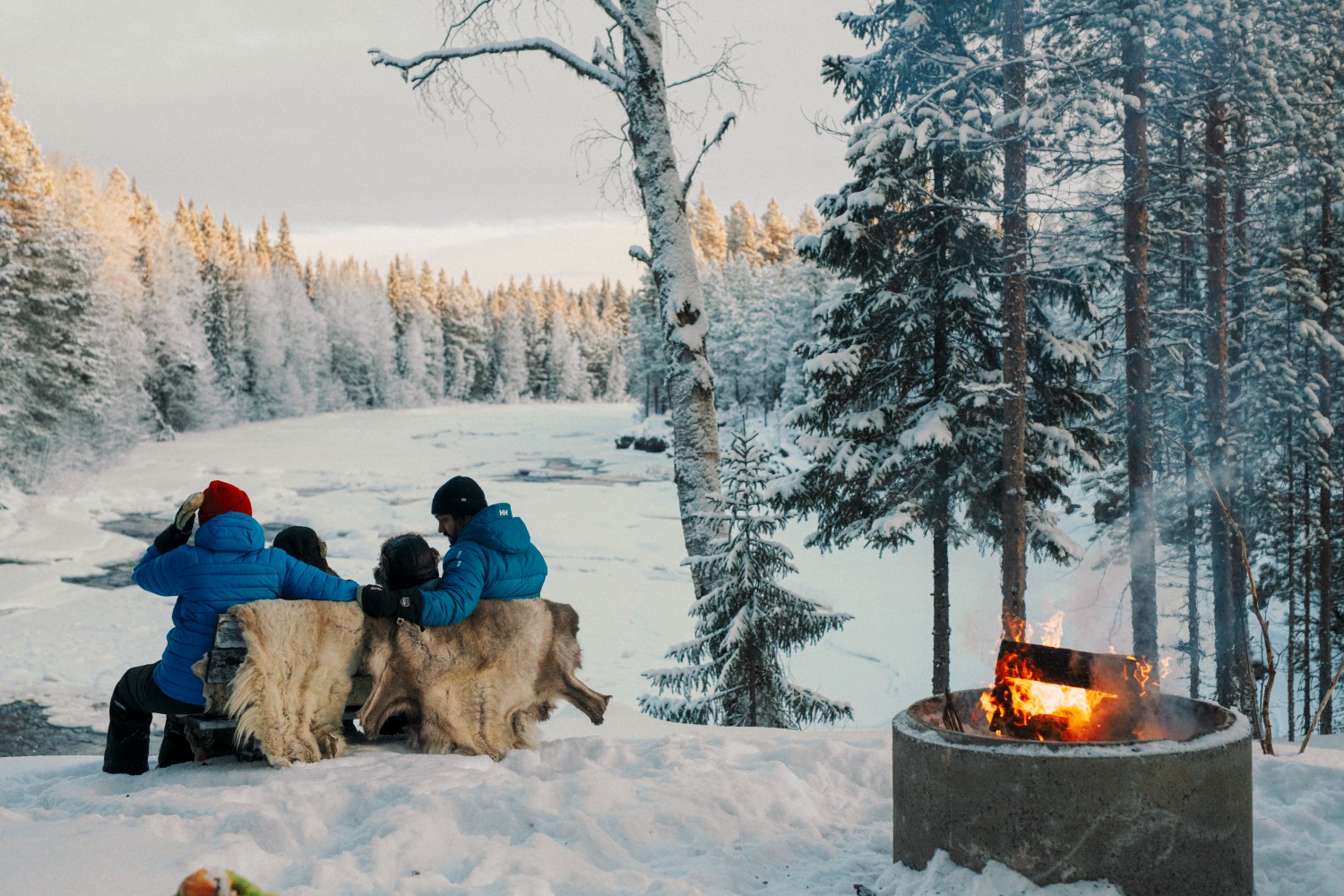
Traditional Swedish winter activities such as Nordic skiing, snowmobile-riding, dog sledding, and a campfire ‘fika’ coffee break.
Rather than venturing into the wintry landscape alone (an absolute no-no), hunker down in one of the region’s luxury Arctic hotels and wait patiently for the alarm to sound. So peaceful and private is Niehku Mountain Villa – an opulent 14-room lodge tucked away in the peaks of Lapland, 50m from the Norwegian border – that just stepping outside at the right time is enough to uncover the glory of the aurora borealis. Farther south, on the edge of Lake Degerselet, Aurora Safari Camp offers heated Lapland Cone Rooms fitted with a glass roof and north-facing panoramic windows, making it possible to gaze at auroras while remaining warm and cosy indoors.
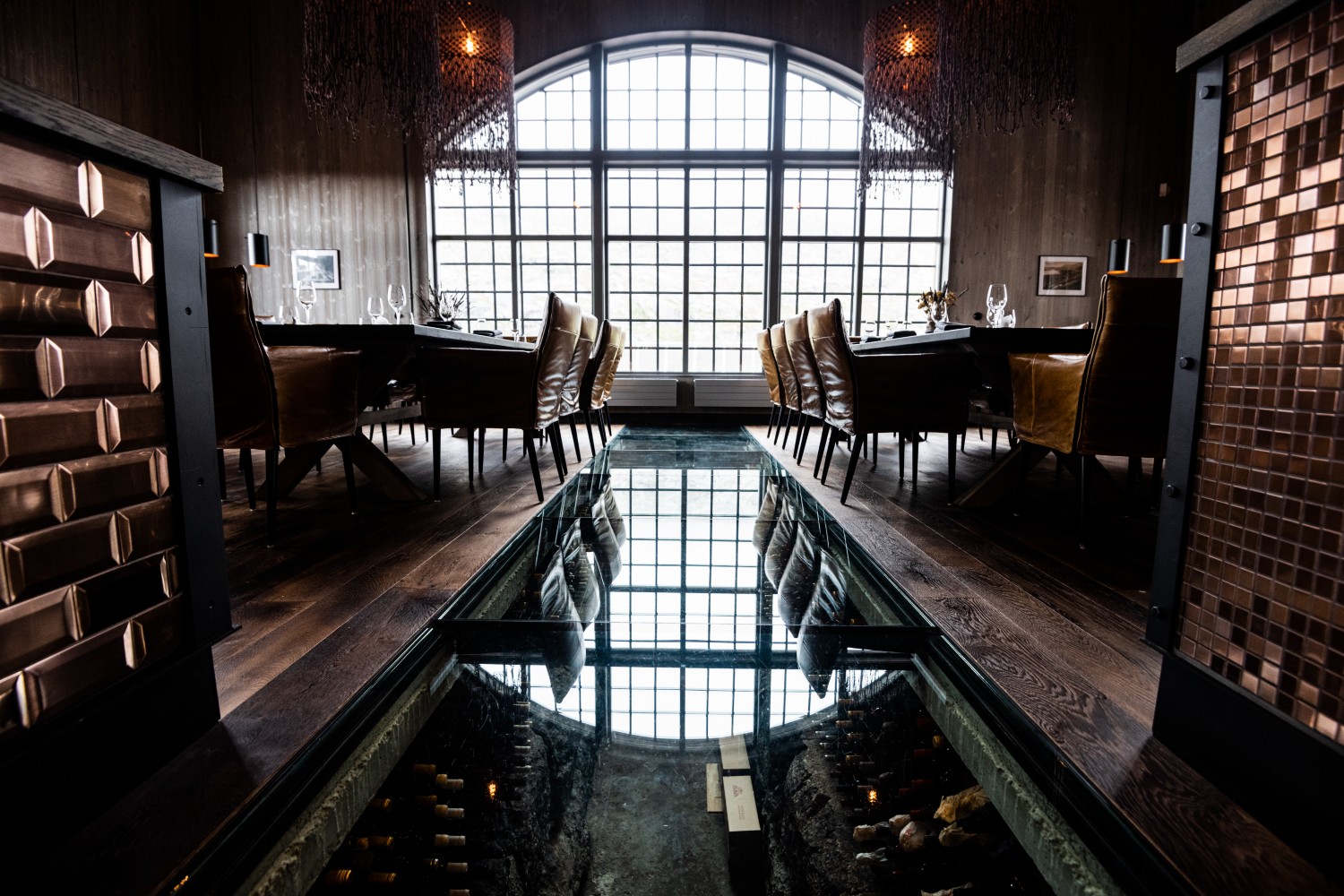
Neihku Mountain Villa’s exceptionally opulent facilities include a sauna, wine cellar, and a dining room that serves moose and reindeer
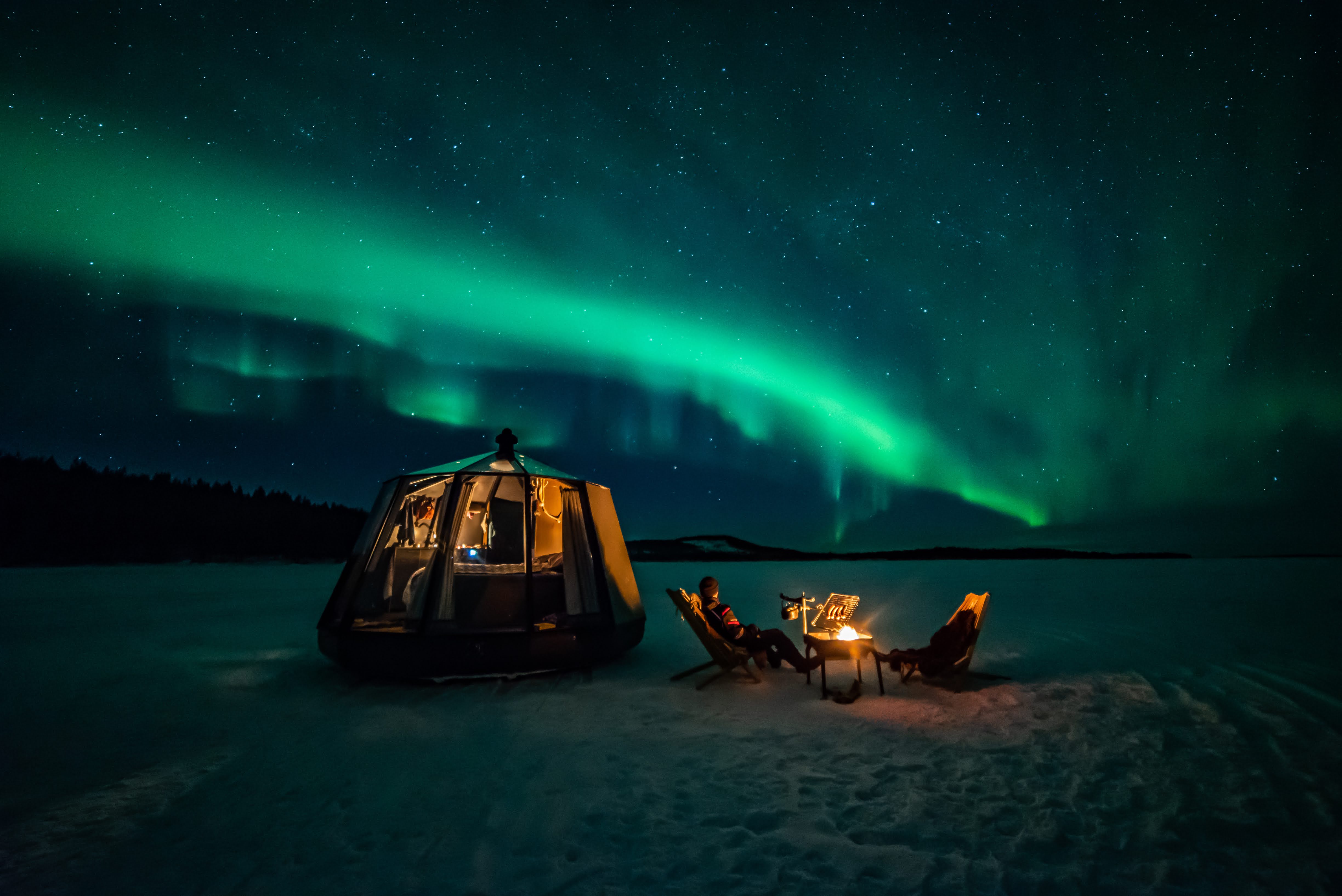
Peace & Quiet Nature Hotel in the town of Jokkmokk takes aurora-watching to the next level by giving its Kiruna Glass Rooms an astonishing twist: one of their glass igloos (complete with panoramic views of the night sky) can be transported by helicopter to a secluded location devoid of noise and light pollution. When guests arrive at the Flying Glass Room, they’re looked after by a team of staff, including a private chef. They can while away the pre-aurora hours by trying complimentary activities like ice fishing and Nordic skiing. At €200,000 per night, the glass igloo is the world’s most expensive hotel room – but then again, having the aurora borealis all to oneself is arguably a privilege well worth paying for.
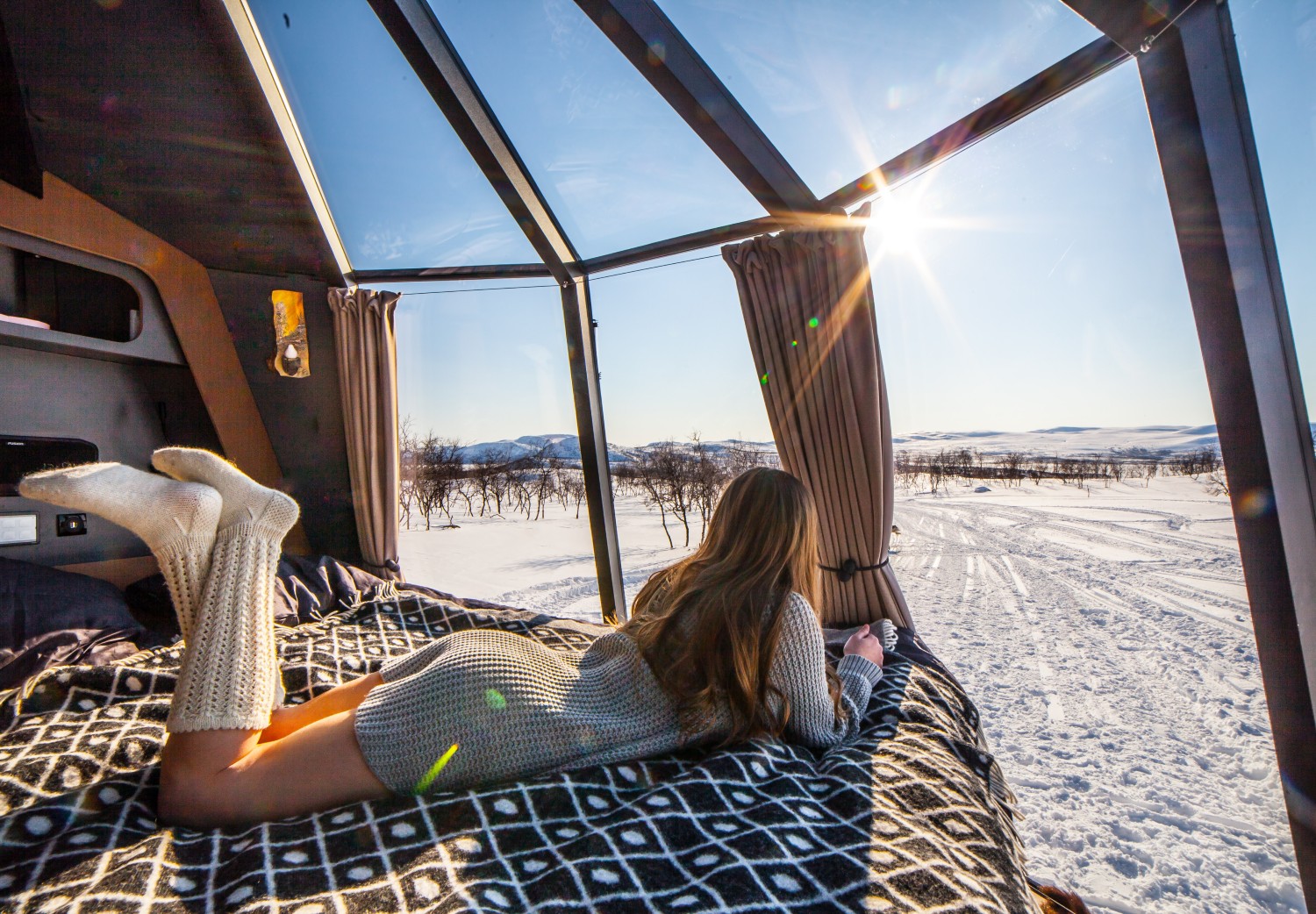
The Glass-rooms at Peace & Quiet Nature Hotel allow for total immersion in Sweden’s aurora-lit wilderness.