As General Manager of Fusion Resort & Villas Da Nang, Mario Mendis approaches hospitality as a long game shaped by people, purpose, and place. With a career spanning operations, advocacy, and mentorship, his leadership reflects a belief that true luxury lies not in excess, but in intention. In this conversation, he shares reflections on responsibility, wellness as a way of thinking, and the evolving role of hospitality in shaping communities as much as destinations.
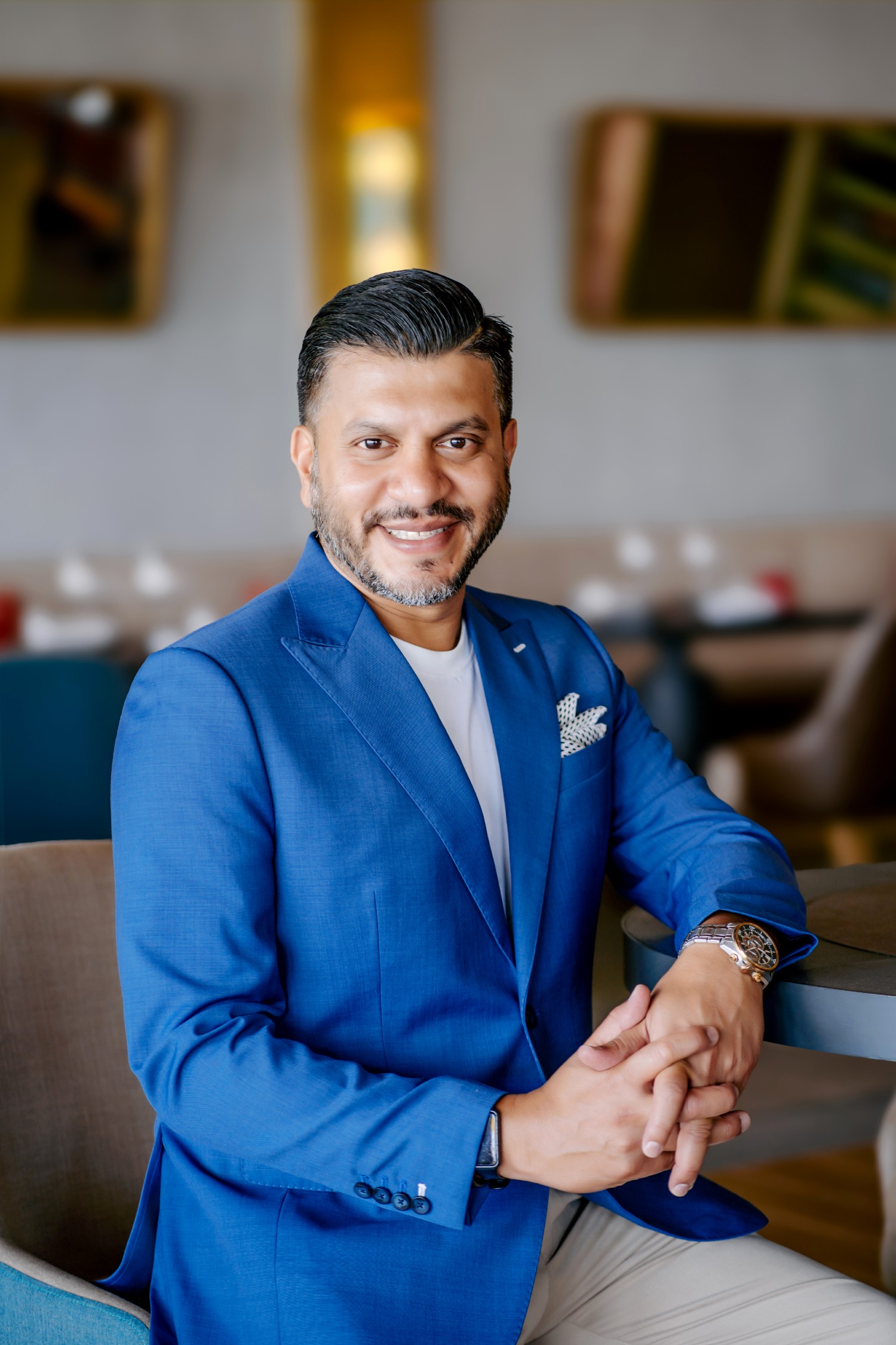
With over two decades in hospitality, how has your definition of leadership evolved, especially as your role expanded beyond hotel operations into advocacy, education, and policy dialogue?
Early in my career, leadership was largely about execution. It meant delivering results, managing teams, and ensuring operations ran efficiently. Over time, that definition has both softened and deepened. Today, I see leadership as responsibility: responsibility to people, to the industry, and to the communities we operate within. As my role expanded into advocacy and education, I realised leadership is also about using your voice when it can help others, whether through shaping policy dialogue, mentoring the next generation, or advocating for a more sustainable and inclusive tourism sector. At its core, leadership today is defined by how clearly we articulate and integrate our social purpose with all stakeholders.
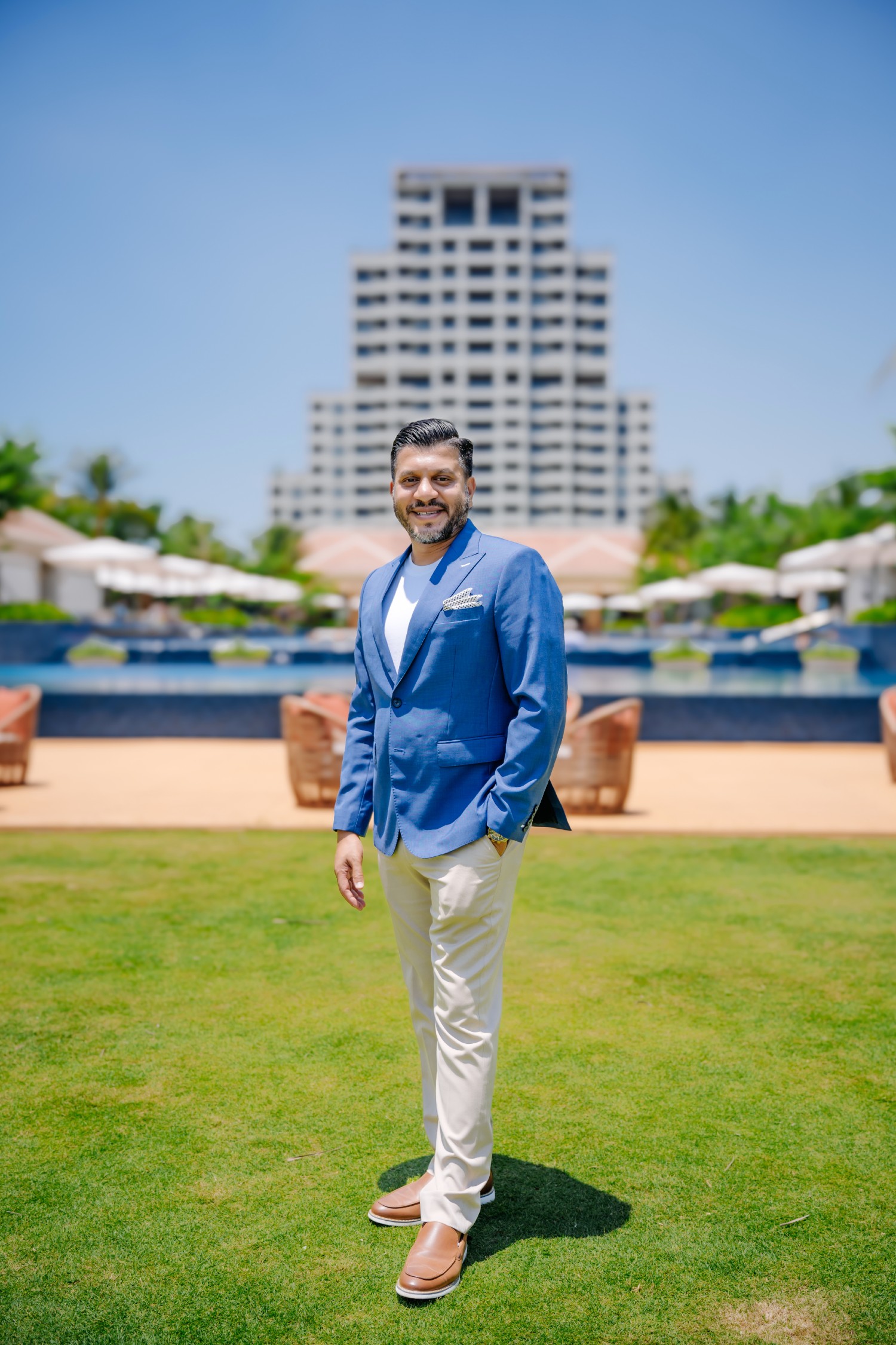
Beyond your role as a hotelier, you have taken on a broader voice within Vietnam’s tourism ecosystem. Was there a defining moment when you felt a responsibility to contribute beyond your own property?
Yes, particularly during and after COVID. That period exposed how deeply interconnected our industry truly is. No single hotel or operator can thrive in isolation if the destination itself is struggling. Seeing colleagues, teams, and local communities impacted made it clear that contributing beyond my own property was not optional. It was necessary. From that moment, advocacy, collaboration, and destination level thinking became a personal commitment rather than a professional add on.
You have consistently invested in mentoring young professionals, from RMIT Vietnam to industry platforms. What do you believe today’s hospitality students misunderstand most about the realities of this profession?
Many students view hospitality through the lens of titles, travel, or rapid career progression. What is often underestimated is the resilience required. Long hours, emotional intelligence, humility, and consistency are essential to building a meaningful career. Hospitality is not a sprint, it is a marathon. The most rewarding outcomes come to those who are patient, curious, and genuinely driven by service. Success follows passion and discipline, not the other way around.
Your long term collaboration with the Her Turn program reflects a strong commitment to women in leadership. Why is gender diversity especially important in hospitality, and what barriers still limit women’s progression in the industry?
Hospitality is fundamentally about empathy, care, and human connection, qualities that thrive in diverse leadership environments. Gender diversity brings balance, stronger cultures, and better decision making. However, barriers remain. These include unconscious bias, limited access to mentorship, and the challenge of balancing leadership roles with family expectations. Addressing these issues is not about favour. It is about fairness, opportunity, and creating systems where talent can genuinely rise.
In Vietnam’s current tourism landscape, do you see enough collaboration between private operators, social enterprises, and policymakers, or are we still operating in silos?
We have made progress, but silos still exist. Collaboration often emerges during moments of crisis rather than as a sustained, long term approach. Vietnam has enormous potential when private operators, social enterprises, and policymakers align around shared goals, whether in sustainability, workforce development, or destination branding. The next phase of growth will depend less on competition and more on cooperation. Once again, integrating a shared social purpose across stakeholders will be critical to achieving lasting impact.
From serving as Áo Dài Ambassador to moderating panels for EuroCham and AmCham, you have actively represented Vietnam internationally. What does Vietnam still need to do to be perceived not just as an attractive destination, but as a mature tourism market?
Vietnam already possesses natural beauty, cultural richness, and genuine warmth in abundance. To be perceived as a mature tourism market, consistency is key. This includes consistent service standards, infrastructure, policy clarity, and long term planning. Equally important is storytelling: clearly articulating who we are, what we stand for, and how we care for both guests and communities. Maturity is achieved when experience consistently matches promise. Authentic, culturally immersive experiences that create emotional connection are what turn first time visitors into lifelong travellers.
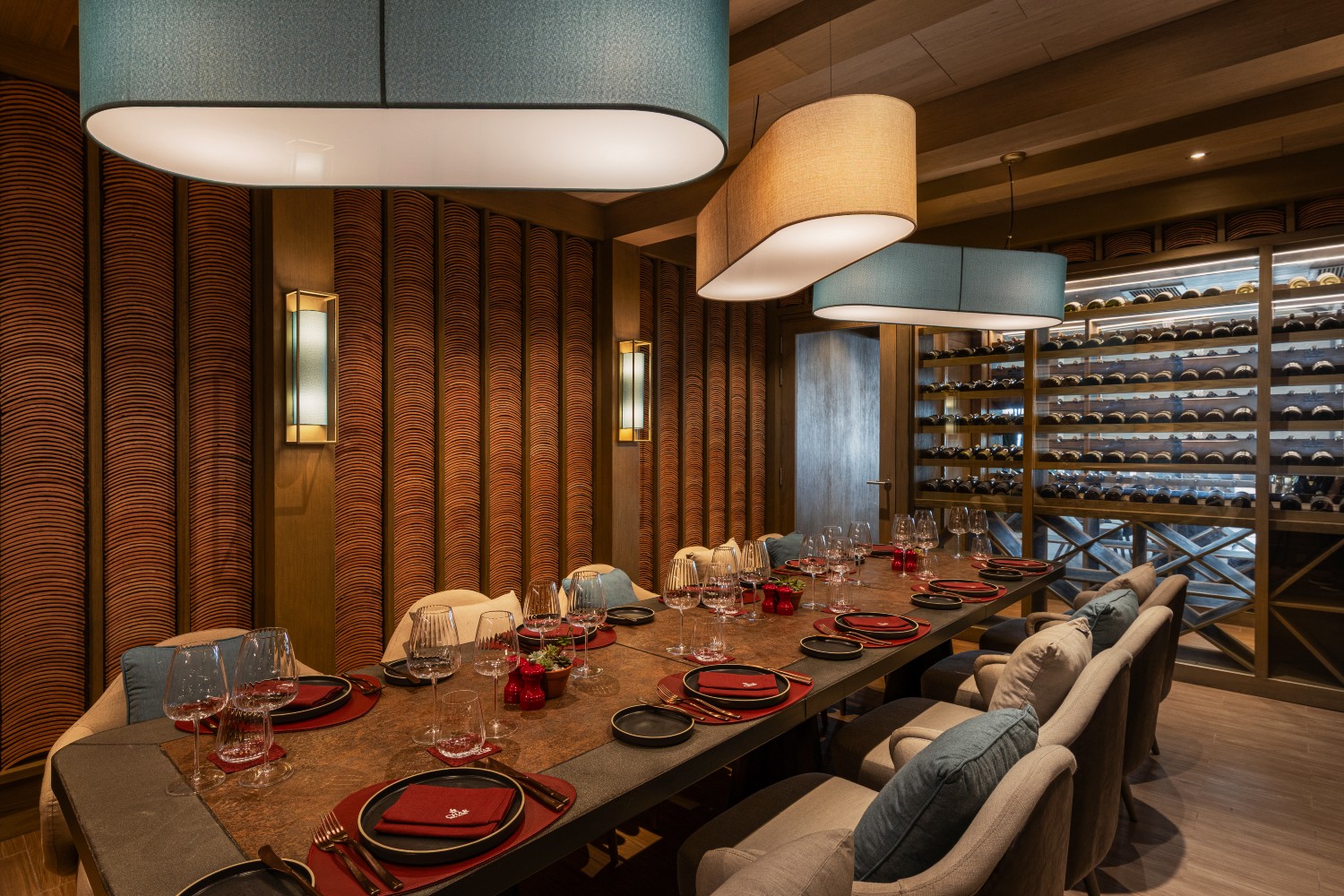
Having led resorts across diverse international markets, what perspectives did you bring to Da Nang, and how have those experiences shaped Fusion Resort and Villas Da Nang today?
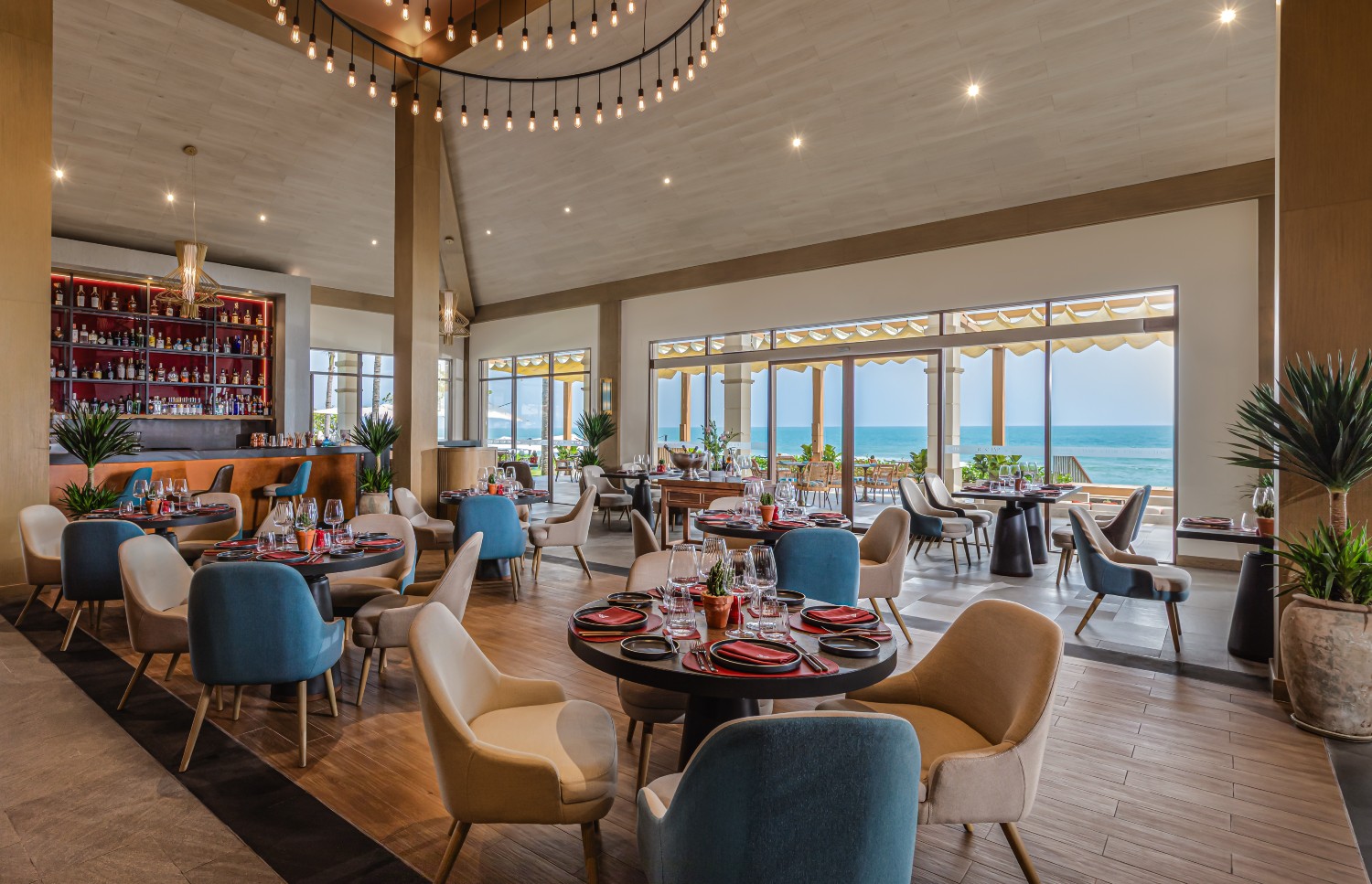
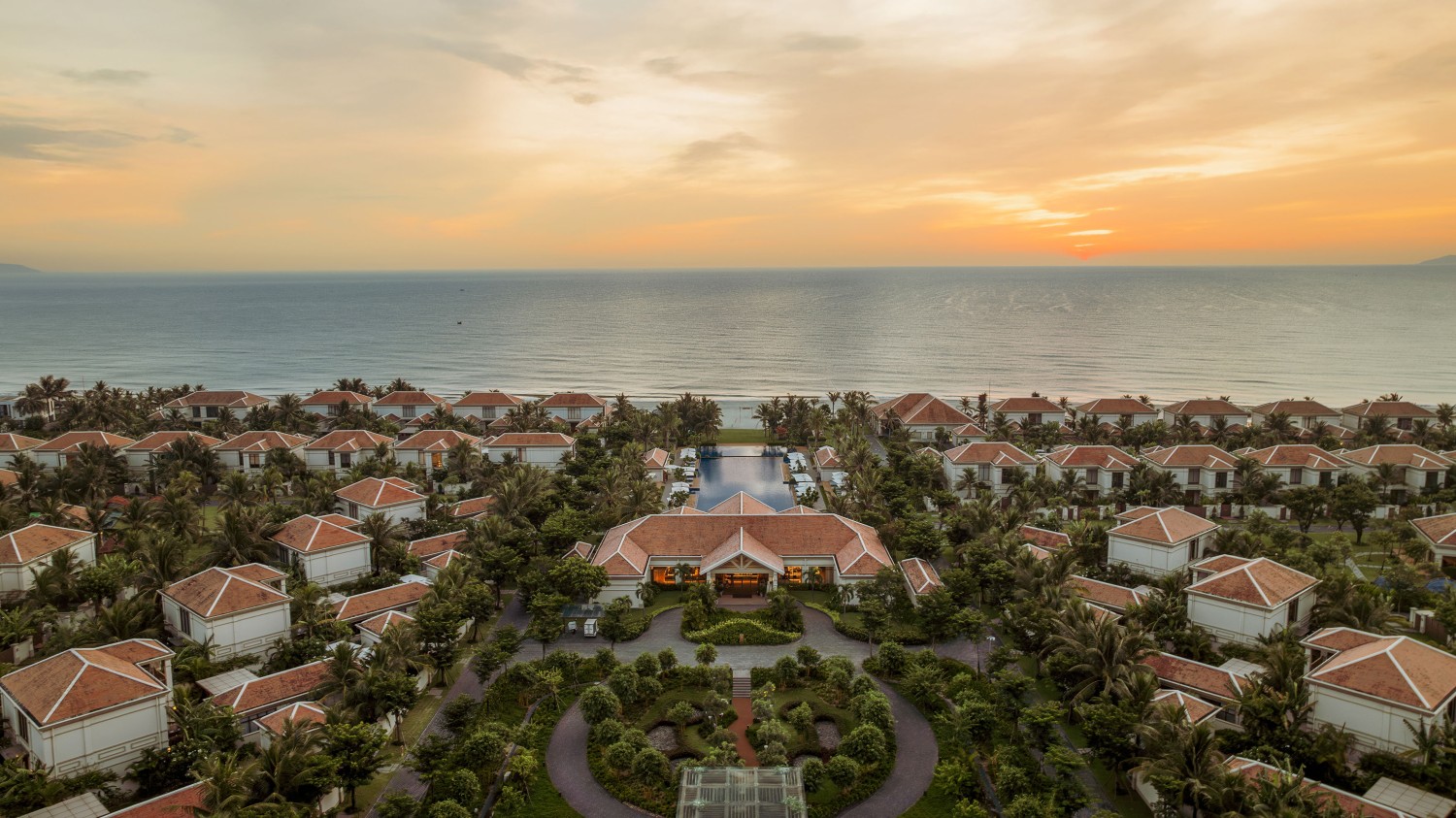
Working across different cultures taught me that luxury is not about excess. It is about relevance and authenticity. In Da Nang, this translated into creating experiences that feel intuitive rather than imposed, and personal rather than generic. At Fusion Resort and Villas Da Nang, we focus on space, wellness, and flexibility, allowing guests to reconnect with themselves while feeling genuinely cared for, not managed.
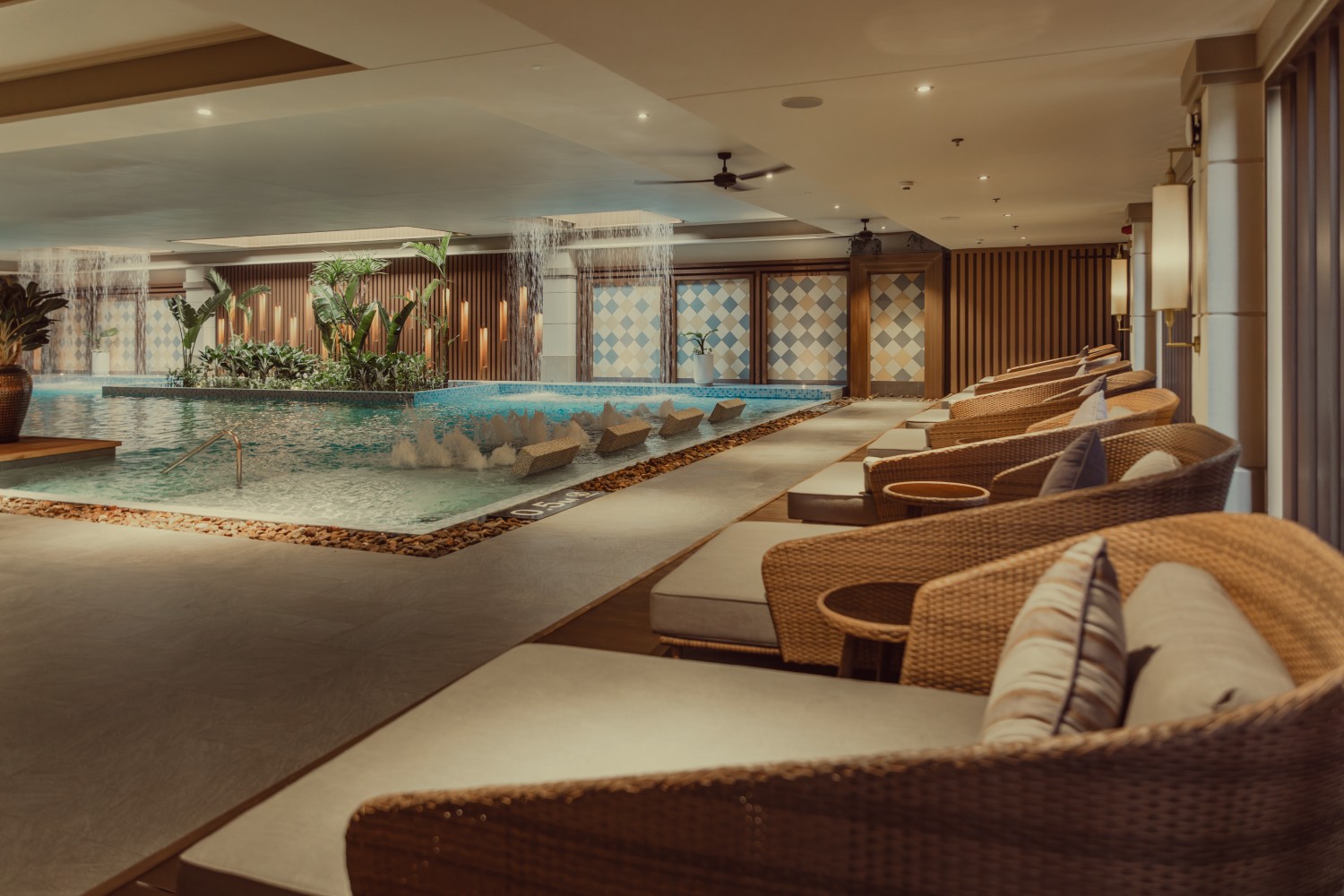
Fusion Resort and Villas Da Nang has recently completed Maia Spa, now one of the largest wellness centres in Vietnam. How do you define wellness hospitality, and how does it influence long term resort strategy?
Wellness hospitality goes far beyond spa treatments. It is about how a guest feels during and after their stay, encompassing emotional, mental, and physical wellbeing. At Maia Spa, wellness is woven into the guest journey rather than positioned as an add on. From a strategic perspective, this approach builds longevity. Guests return not just for a holiday, but for restoration, balance, and a sense of belonging.
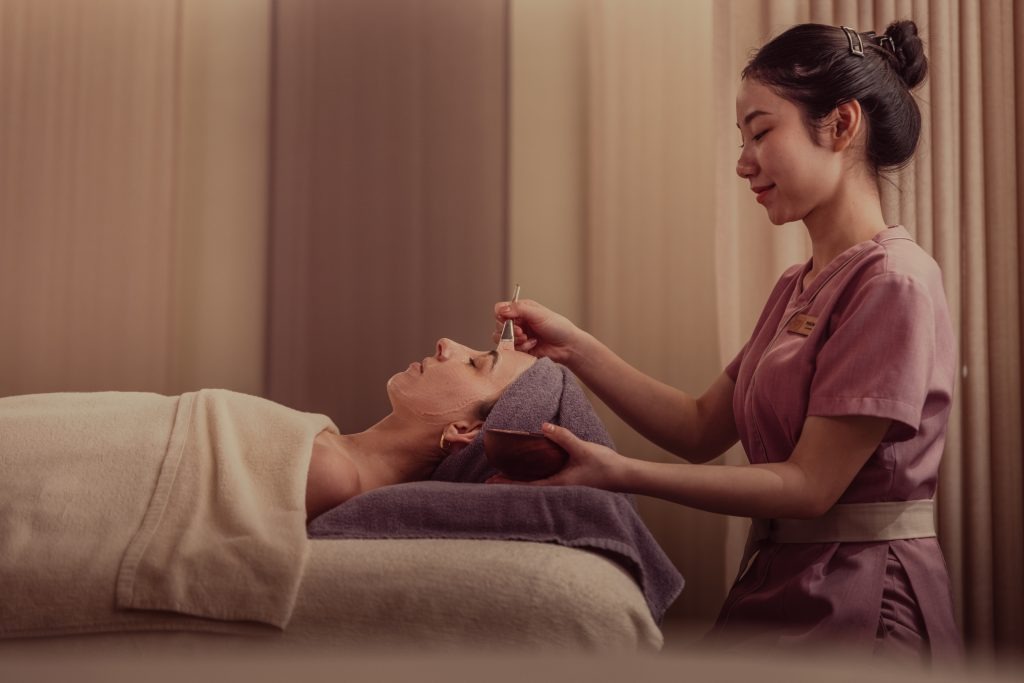
In an increasingly competitive resort landscape in Central Vietnam, what key elements do you prioritise to position Fusion Resort and Villas Da Nang as a destination of choice, particularly for wellness, golf, and lifestyle travellers?
We prioritise three elements: authenticity, consistency, and people. World class facilities matter, but they only truly shine when paired with genuine service and thoughtful experiences. By integrating wellness, golf, and lifestyle seamlessly rather than treating them as separate offerings, we create a destination that feels holistic. Ultimately, guests remember how they were made to feel, and that is where we invest the most.