In the contemporary landscape of high-end travel, sustainability has quietly evolved from a moral statement into a true measure of quality. It is no longer framed as an obligation, but as a sign of care, long-term thinking, and the way the luxury sector is recalibrating itself for the future. Nowhere is this shift more evident—or more deeply felt—than in wine tourism.
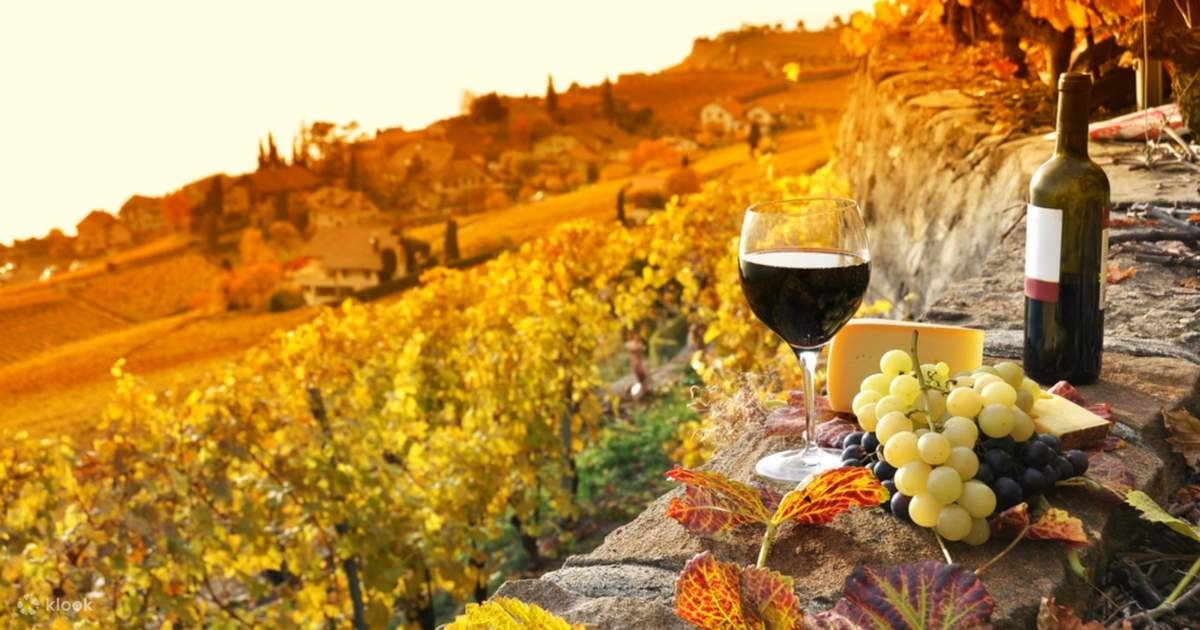
Wine estates
Today’s most compelling wine estates are no longer defined solely by vast cellars or rare vintages. Their allure increasingly lies in how they steward the land, how they shape experiences, and how they invite guests to move in rhythm with vineyard life. From the Cape Winelands of South Africa to the gentle hills of southern England, sustainable wine tourism is being reimagined as an immersive journey—one where environmental responsibility does not dilute luxury, but sharpens it.
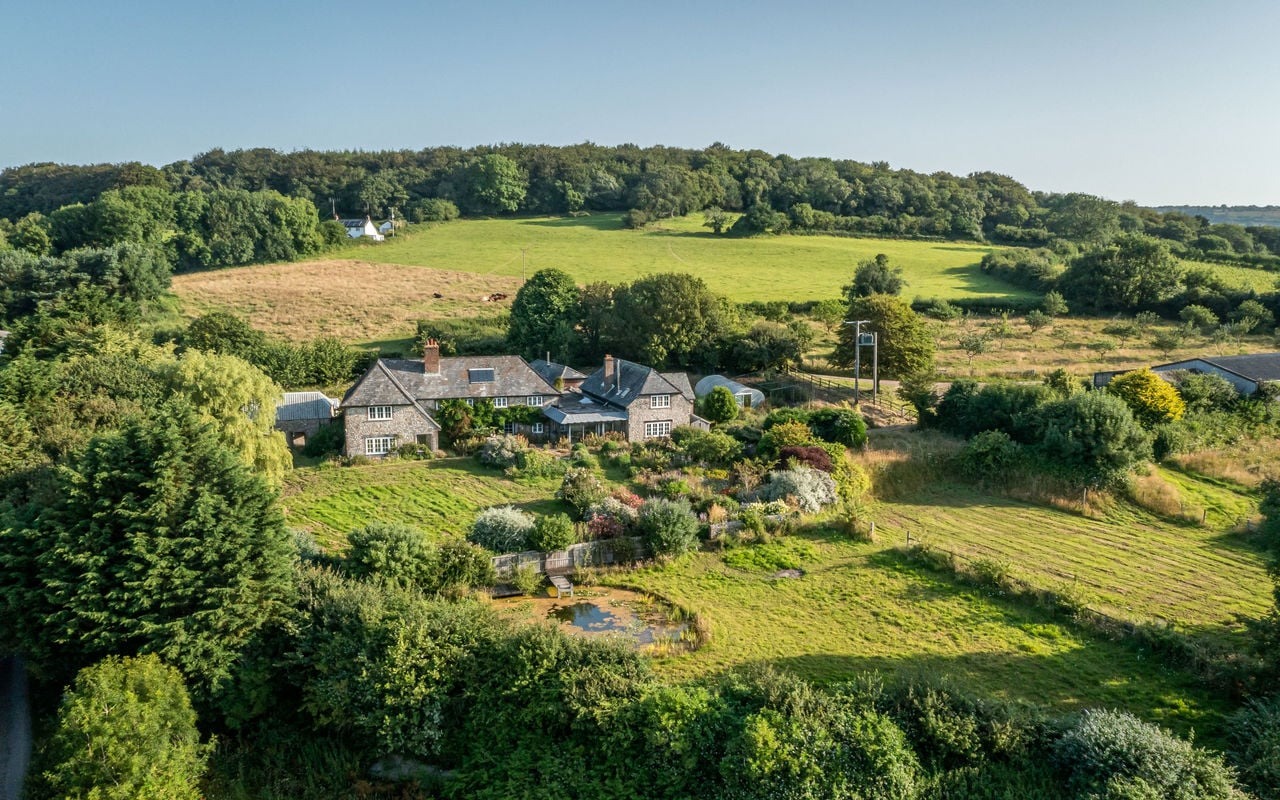
Louma Country Hotel
According to Joe Gargaro, General Manager of Louma Country Hotel, this evolution marks a clear break from the past. Sustainability, once reduced to slogans or isolated initiatives, has become a holistic framework intentionally woven into every aspect of the guest experience. The vineyard is no longer a backdrop, but a living presence—where landscape, people, and seasonal rhythms collectively shape emotion and memory.

Ashley Saunders
This shift has also transformed how wine itself is enjoyed. Brief, transactional tastings are giving way to slower, more narrative-driven encounters. Ashley Saunders, a WSET-certified wine communications specialist and founder of Palate, notes that many estates are redefining the very idea of experience. Cuisine, accommodation, and on-site activities are now interlinked, each detail contributing to a broader story of place.
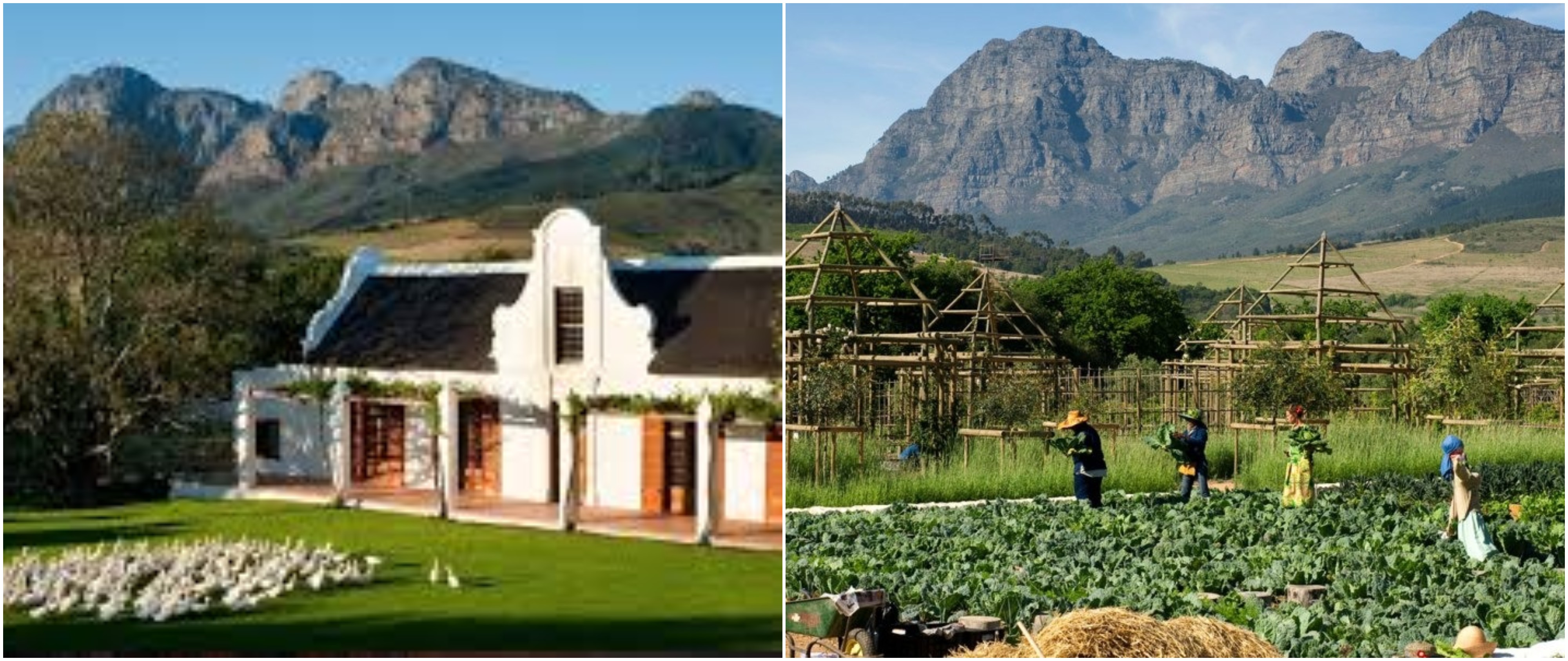
Babylonstoren, South Africa
Storytelling has thus become central to contemporary wine tourism. Travelers increasingly seek not only what is in the glass, but the people, soils, and practices behind it. Experiences are carefully curated to feel genuine, allowing terroir to move beyond technical language and reveal itself through landscape, earthy aromas, seasonal cycles, and human labor.
This philosophy is vividly embodied at Babylonstoren in South Africa, where sustainability is not hidden behind the scenes but forms the foundation of the entire guest journey. Regenerative farming, biodiversity, and seasonal food production intersect seamlessly, guiding visitors through gardens, orchards, and vineyards before they taste wines that are inseparable from the environment they have just explored.
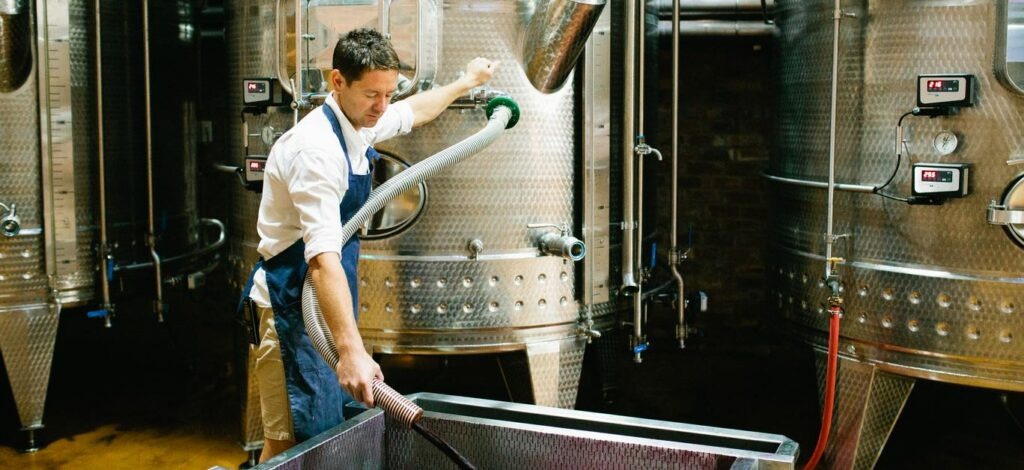
Charl Coetzee, Commercial and Production Director at Babylonstoren
Charl Coetzee, Commercial and Production Director at Babylonstoren, sees this as the future of wine tourism. Rather than focusing purely on consumption, sustainable estates are cultivating experiences of greater meaning—ones that guide guests toward a deeper understanding of terroir, history, and the agricultural processes that give each bottle its identity.
Education, in this new context, is no longer academic in tone. It is intimate, experiential, and attuned to natural rhythms. Year-round cellar tours, the intensity of harvest season, or the quiet stillness of dormant vines all become part of the narrative, allowing guests to sense wine as a living entity—one that evolves over time.
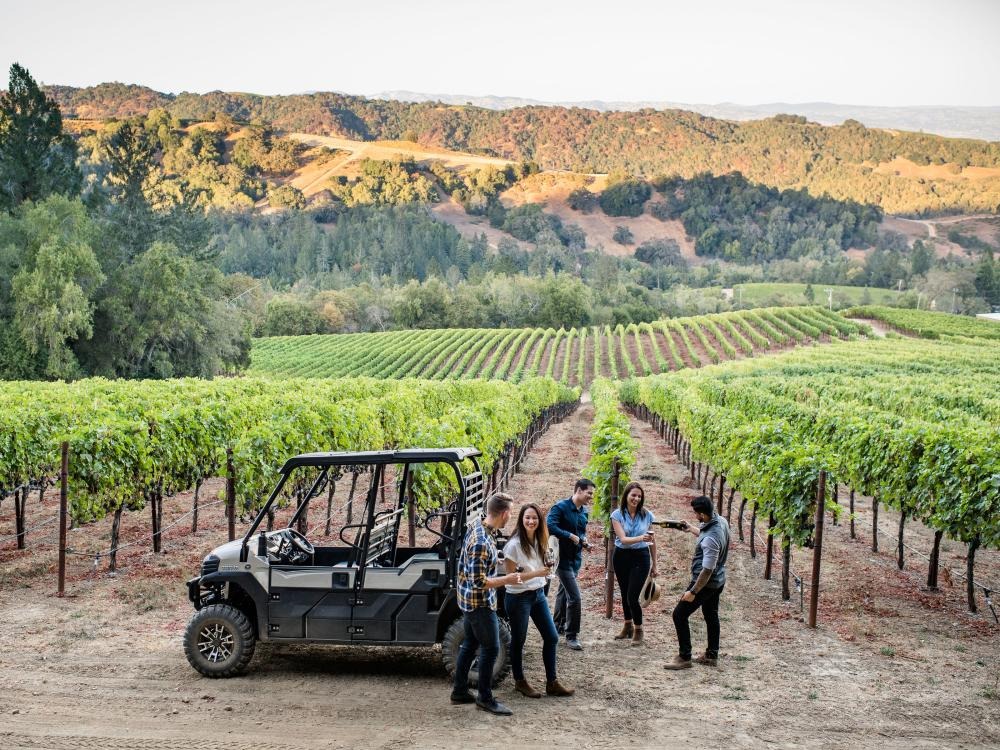
Encouraging guests to slow down enhances the experience while reducing environmental impact.
Hospitality models are shifting in parallel. Small-group visits, walking tours through vineyards, and longer stays are gradually replacing crowded, fleeting stopovers.
Culinary and accommodation offerings further reflect this philosophy. A focus on local sourcing, paired with lodging designed to sit lightly within the landscape, strengthens the bond between people and place. Sustainability is no longer a backstage consideration; it has become a story that estates actively and proudly share.
Ultimately, what emerges is not a passing trend, but a new standard taking shape. Sustainable wine tourism is redefining luxury itself—shifting value away from excess and toward depth of experience, shared knowledge, and genuine connection to the land. In this journey, wine is not merely something to taste, but something to understand, to feel, and to appreciate with intention and care.