The world of fine wine stretches far beyond the familiar boundaries of classic reds and crisp whites. In hidden corners of the globe, exceptional winemakers challenge the conventions of time, geography, and nature, crafting liquid treasures that defy expectation. From grapes frozen on the vine in the dead of winter to bottles aged deep within abandoned silver mines, these rare varieties offer far more than a beverage - they are living testaments to human perseverance and the raw power of the earth.
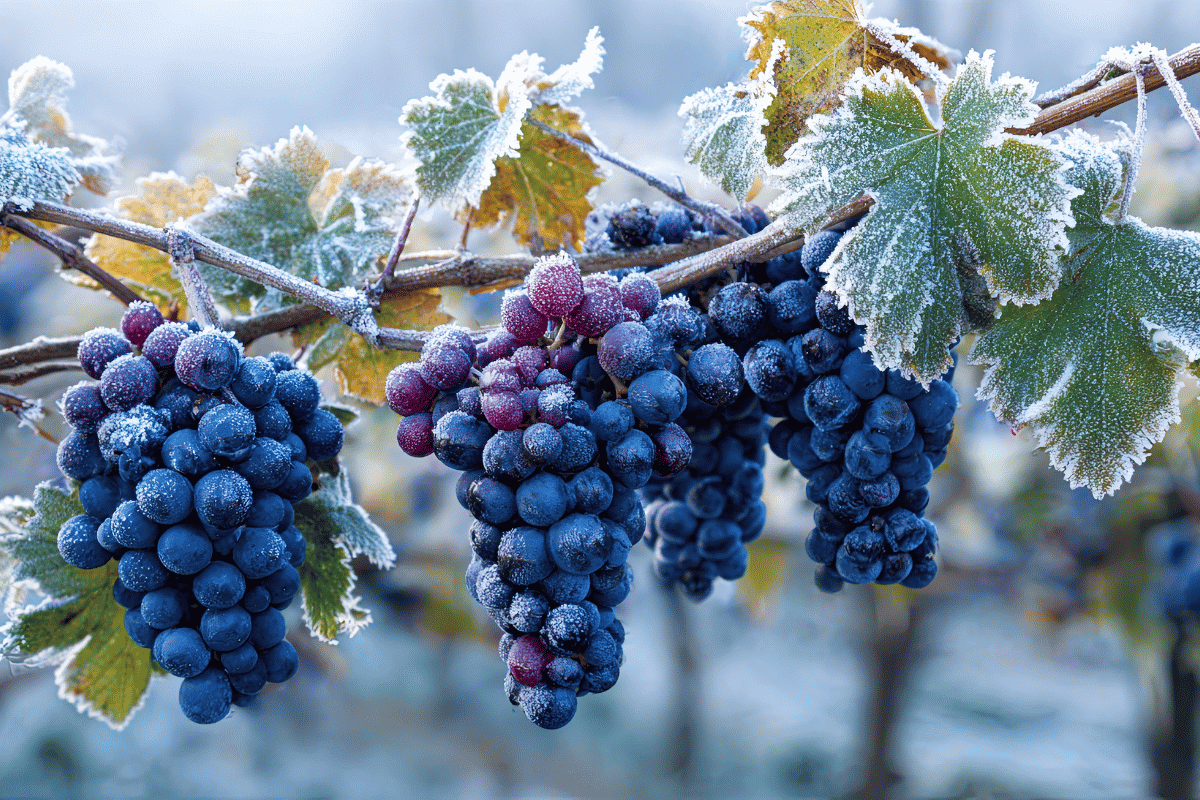
Ice Wine: The Severity of Winter
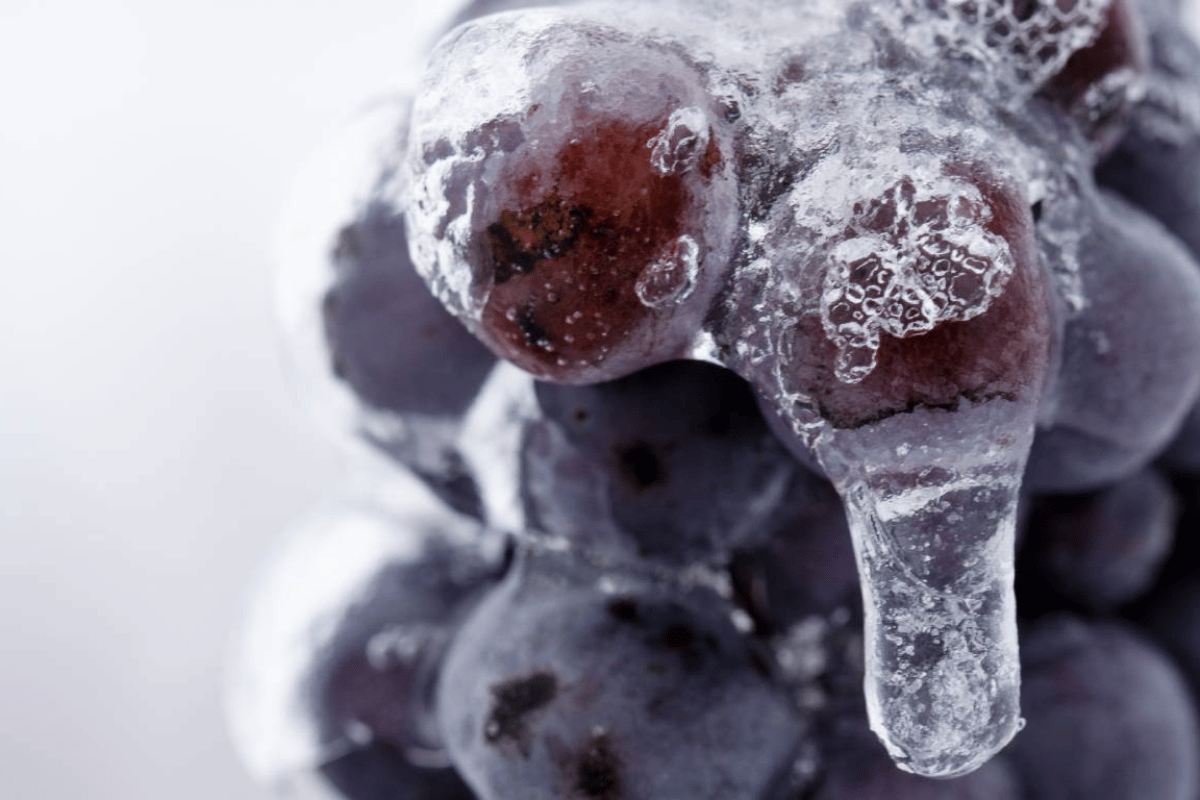
Known as eiswein in German, icewine in Canada, and ice wine in the United States, this intensely sweet, painstakingly crafted dessert wine is an indulgent anomaly in the wine world. Unlike other "stickies" like Sauternes or Tokaji, ice wine grapes are entirely unaffected by noble rot. Instead, they remain on the vine deep into the freezing grips of winter, harvested starting in December. When the weather cooperates and temperatures plunge consistently below freezing, picking teams brave the night, shivering through hand-harvesting rock-hard berries. These ultra-ripe frozen berries are pressed immediately; the water inside turns to ice, while sugars, acids, and solids remain concentrated. Fermentation can stretch up to six months to reach an alcohol level of around 10%, yielding a rich, viscous "liquid gold" bursting with dried fruit and honey. Averaging around 220 grams of residual sugar per liter - double that of a soda can - it is balanced by a razor-sharp acidity. Master of Wine Jancis Robinson famously described good ice wine as tasting like "a cross between the purest form of grape juice and a slap in the face." Produced primarily from cold-hardy varieties like Vidal Blanc, Riesling, and Gewürztraminer across Germany, Austria, Canada, the northern United States, and northern China, ice wine is a precious treat reserved for life's most special moments.
Volcanic Wine: The Breath of Mother Earth
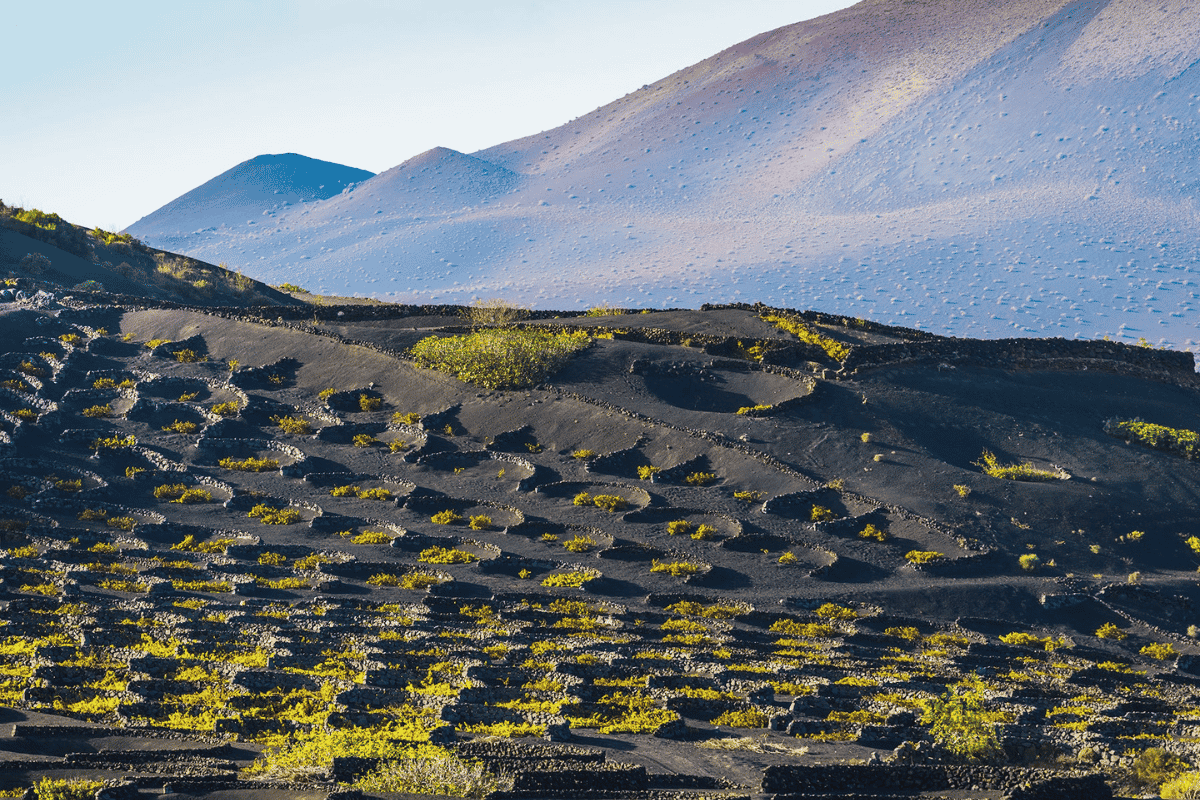
The influence of volcanoes on vineyards is one of the most fascinating chapters in winemaking, giving birth to wines of unmatched, inimitable character. Cultivated on mineral-rich volcanic soils, historic vineyards - often ungrafted and having miraculously survived the devastating phylloxera plague over centuries - cling to heroic ancestral terraces at altitudes soaring above 600 meters. These are hostile landscapes: black, compact, dangerous, and austere. Yet, they impart a unifying, unmistakable core identity to both whites and reds: a striking, direct minerality driven by an impetuous backbone of freshness and verticality. Brimming with complex notes of wild herbs, sulfur, sea salt, and flint, volcanic wines offer an explosive, sharp, and unforgettable journey into the raw geological power of the earth.
Straw Wine: The Concentration of Sun and Time
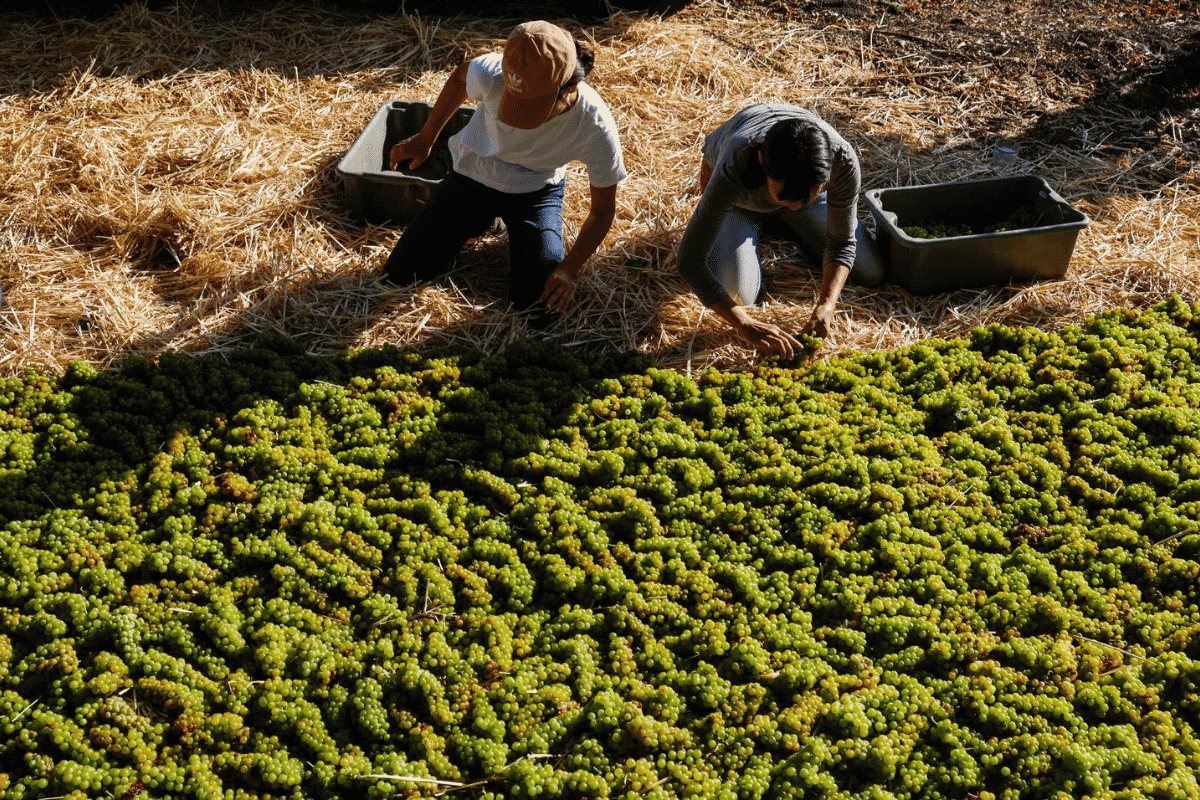
Tracing its roots back to ancient Greece and historic Austria (where it was coined strohwein), straw wine is born from a meticulous ancient practice. White wine grapes are harvested and laid out to dry on straw mats, bamboo racks, or wooden trays for 60 to 90 days. Unlike late-harvest wines left to shrivel on the vine, cutting the grapes halts the natural ripening process, preserving their vibrant acidity while water evaporates to concentrate both sugar and flavor. The straw acts as a vital ventilator, preventing mold and keeping the fruit pristine. Today, this tradition thrives in France, Austria, Italy, Greece, South Africa, New Zealand, and the United States, utilizing high-acid varieties like Sauvignon Blanc, Chenin Blanc, Muscat, and Chardonnay. Strikingly sweet yet vibrant, straw wine delivers a warmer, caramelized expression reminiscent of rich orange marmalade rather than dried raisins, maintaining a magnificent balance between luscious residual sugar (ranging from 280 to 700 grams per liter) and sparkling acidity.
Orange Wine: The Ancient Art of Skin Maceration
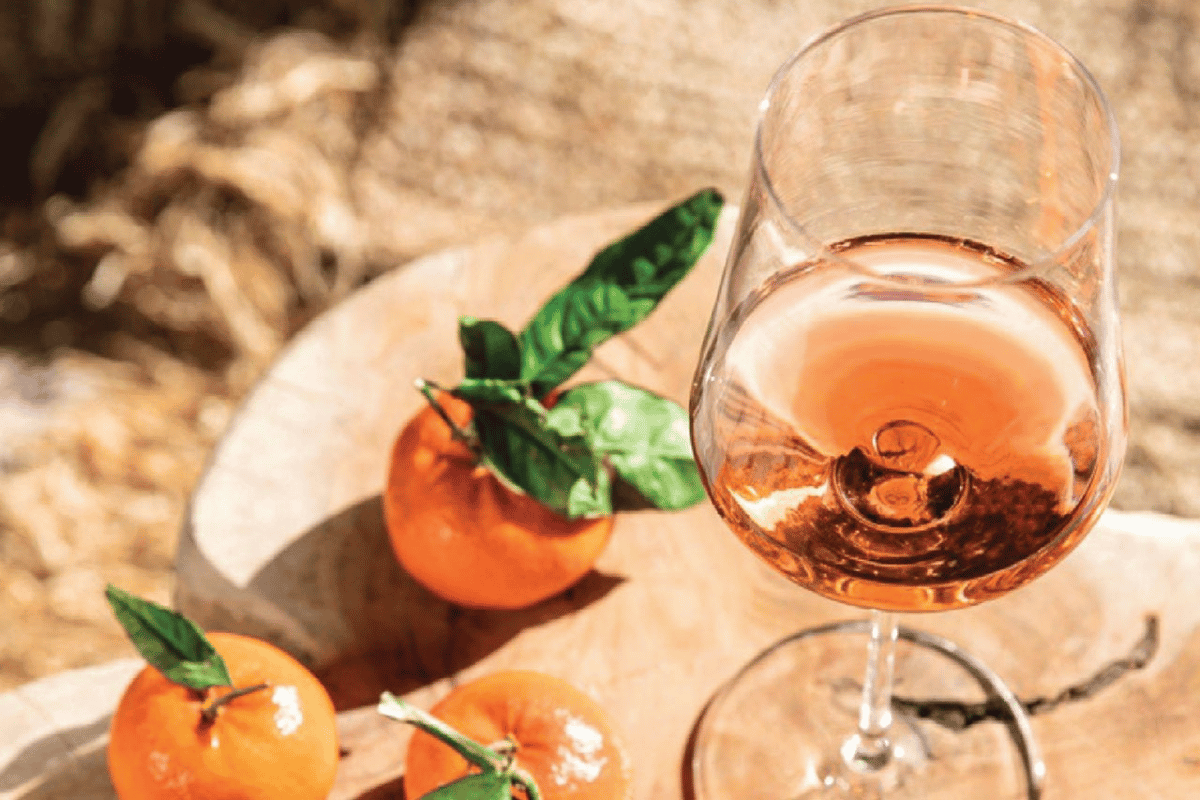
Far from being a modern trend, orange wine has its roots in Antiquity, originating some 8,000 years ago in Georgia - the cradle of viticulture - where winemakers fermented and preserved white grape juice in large, buried clay amphorae known as qvevris. Rather than pressing white grapes immediately after harvest, orange wine is vinified like a red, relying on prolonged skin maceration with seeds and sometimes stems. This extended contact gifts the wine its signature amber-gold hue, a rich tannic structure rarely found in white wines, and an extraordinarily complex aromatic palette. Shorter maceration yields fresh citrus notes like mandarin and lemon, while extended aging unlocks deep layers of walnuts, dried apricots, figs, honey, and exotic spices. Boasting the crisp freshness of a white wine paired with the structural backbone of a red, orange wine creates a brilliant bridge for pairings ranging from aged cheeses and cured meats to spicy Asian dishes and rich seafood.
Sea-Aged Wine: The Might of Ocean Currents
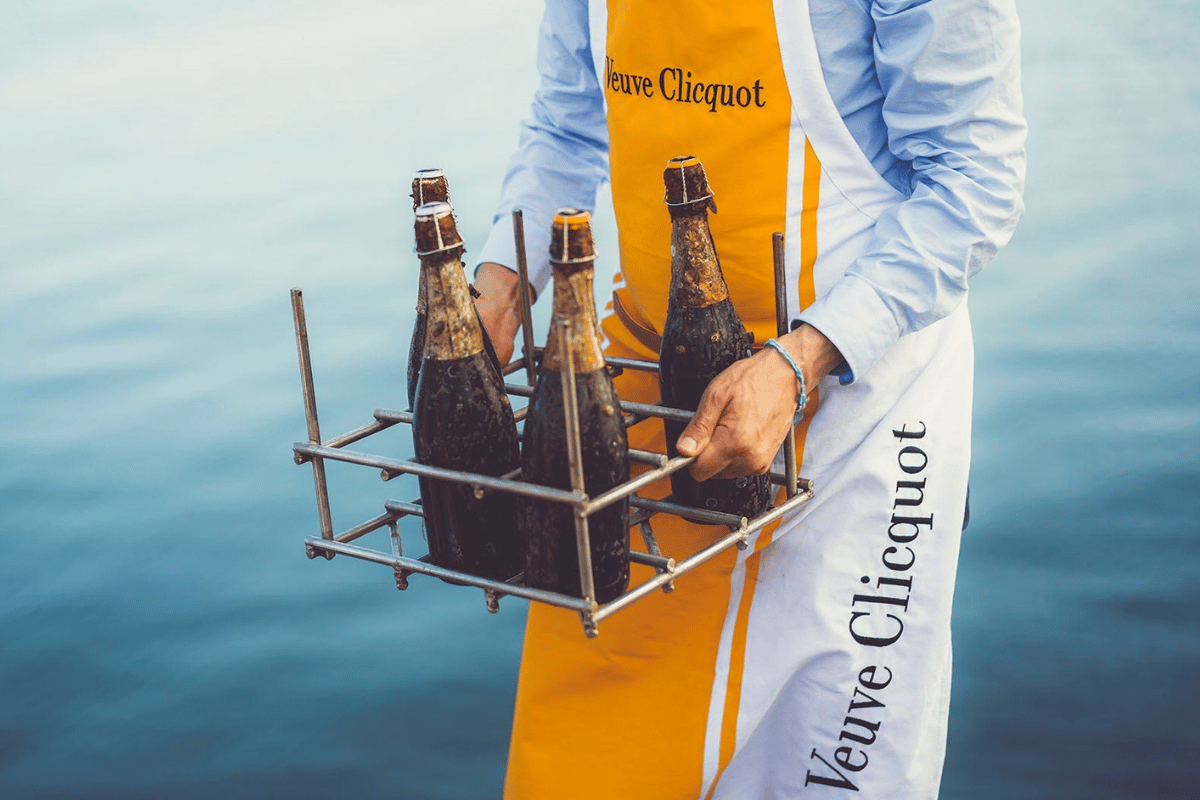
Breaking away from traditional dark, damp underground cellars, a daring new school of winemaking has taken flight - or rather, taken a dive. Winemakers are now sealing specially prepared bottles with heavy wax and sinking them deep onto the ocean floor or into cold alpine lakes for months at a time. This modern renaissance draws inspiration from legendary shipwrecks, such as the Jönköping cargo containing 1907 Champagne or century-old bottles salvaged from the Baltic Sea, which proved that the cold, dark, high-pressure abyss could preserve and mature fine wine to absolute perfection. Submerged in steel cages, these bottles sway gently to the rhythm of deep-sea currents. The immense underwater pressure accelerates aging safely while acting as a natural seal, occasionally allowing faint marine microminerals to whisper through the cork, imparting a subtle "taste of the sea." Visually embraced by barnacles and crustaceans, these bottles emerge as genuine works of oceanic art.
Noble Rot / Botrytis Wine: Nature’s Miraculous Decay
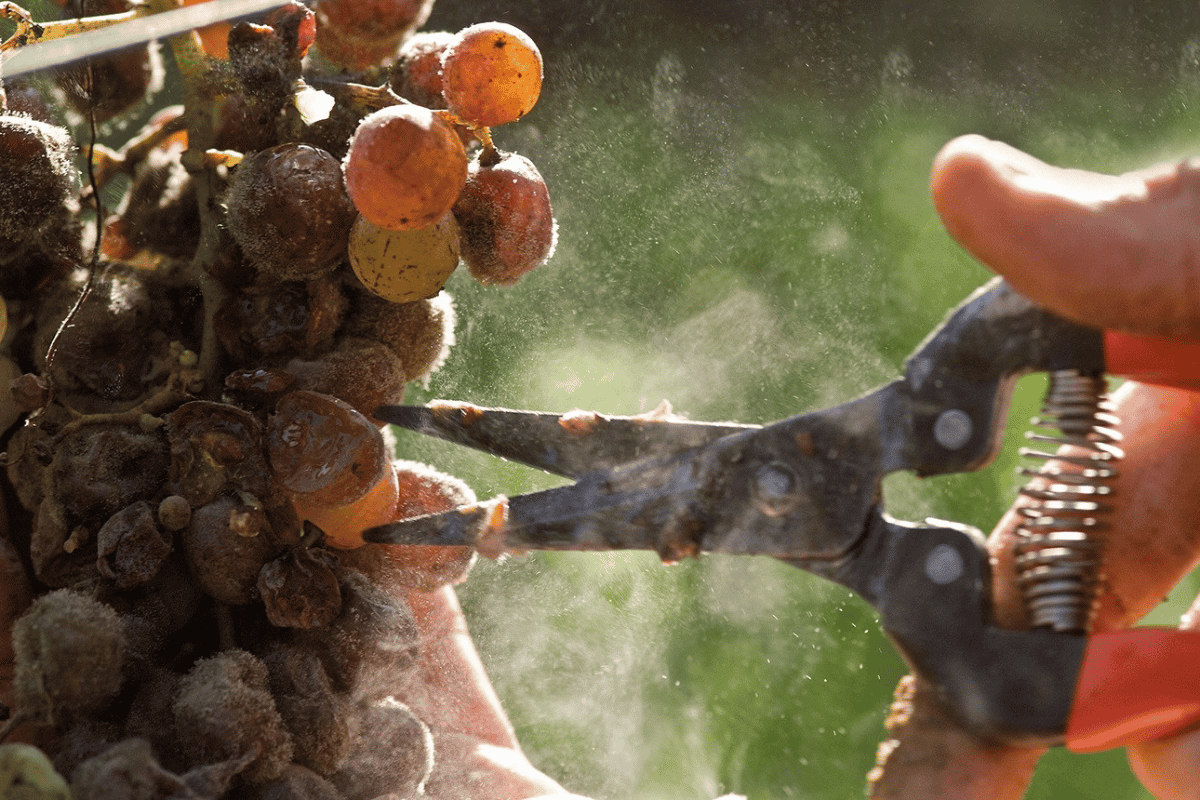
To most, the thought of fungal-attacked grapes spells absolute disaster. Yet, when the beneficial fungus Botrytis cinerea - affectionately known as "Noble Rot" - gracefully strikes overripe grapes under precise meteorological conditions, it triggers a magical transformation. Alternating morning mists from nearby rivers and warm, dry, aerated afternoon sun cause the mold to puncture microscopic holes in the grape skins, evaporating water and intensely concentrating sugars, acids, and distinct honeyed flavors. Because this delicate balance depends entirely on capricious weather, these sweet noughts are fiercely rare.
Legendary estates like Bordeaux's Château d'Yquem produce vintages only when nature permits, and with shriveled berries yielding just a glass or two per vine, the output is exceptionally scarce. Iconic styles like France's Sauternes and Sélection de Grains Nobles (SGN), Hungary's majestic Tokaji Aszú, and Germany's pristine Trockenbeerenauslese (TBA) balance soaring natural acidity with staggering sweetness, granting them the extraordinary capacity to age gracefully for a century.
Mine-Aged Wine: Whispers from the Deep Earth
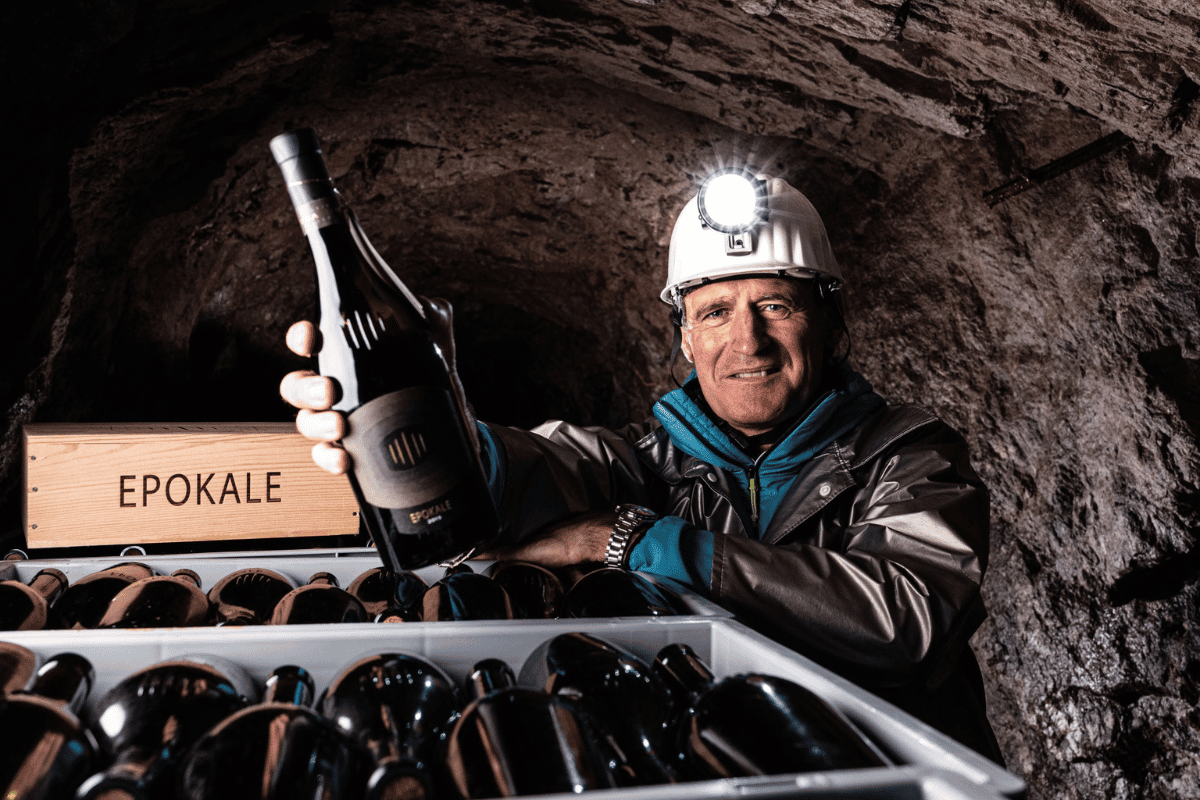
Sparked by a casual family discovery in the Italian Dolomites - where wine stored at high-altitude mountain retreats aged with striking vibrancy compared to valley-floor cellars—winemakers decided to push elevation and storage to the absolute extreme. They turned to the abandoned Schneeberg silver mine in northern Italy, the highest and deepest mine in Europe, sitting 6,500 feet high and stretching nearly two miles into the mountain. Inside this pitch-black sanctuary, with a constant 45°F temperature and 95% humidity, bottles are transported via miniature mine railway carts deep into the gallery. Shielded from light and vibration, varieties like Gewürztraminer and Chardonnay slumber in the mountain's embrace. The result is a wine that seemingly absorbs the cold, stony essence of its subterranean surroundings - tasting remarkably youthful, intensely complex, and vibrantly alive.
Pre-Phylloxera Wine: Tears of the Ancient Vines
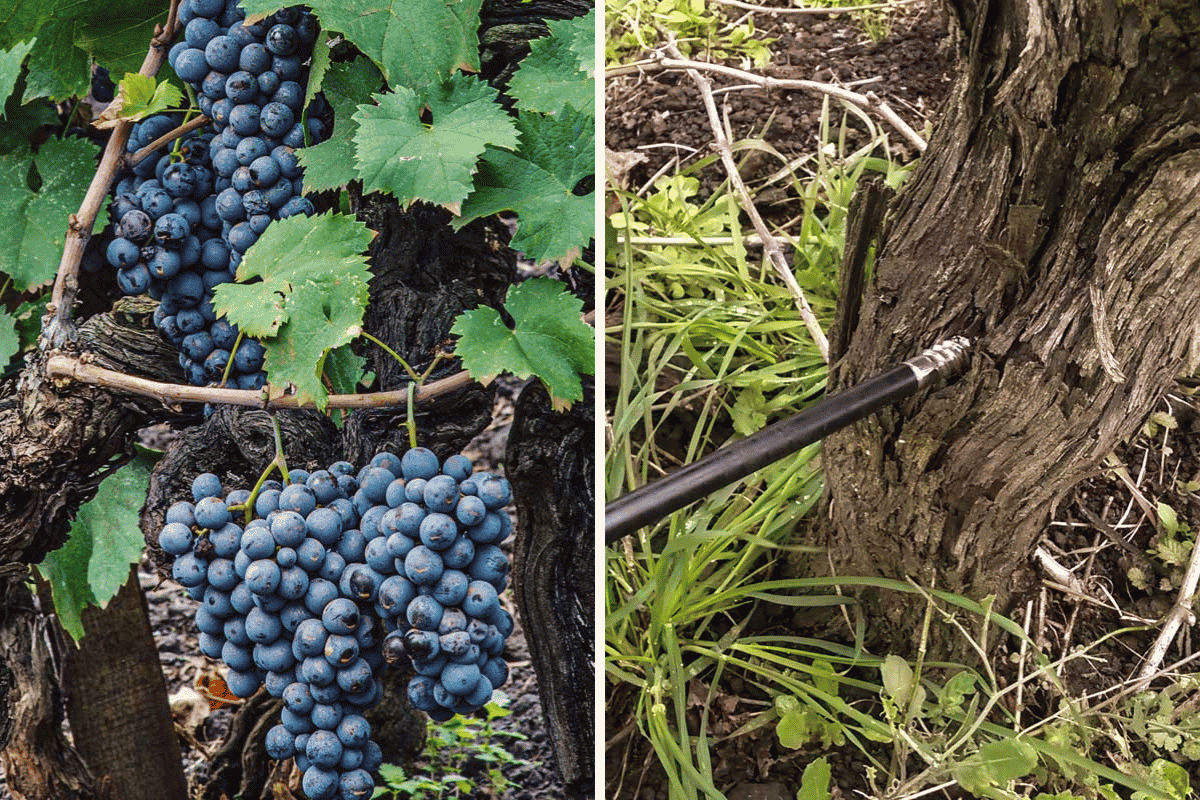
In the late 19th century, a devastating microscopic insect known as phylloxera wiped out nearly 99% of the world's vineyards, forcing global viticulture to graft European vines onto resistant American rootstocks. Yet, a handful of isolated, untouched pockets across the globe - hidden in high-altitude sandy plateaus or remote volcanic islands - escaped the blight. Here, rare, ungrafted ancient vines aged 150 to 200 years old still stand proud. With root systems plunging dozens of feet deep into virgin soils, these ancient centenarians draw upon elemental minerals lost to modern agriculture. Wines crafted from PrePhylloxera vines offer a profound concentration of flavor, a living link to oenological history, and an irreplaceable liquid heritage that modern vineyards can simply never replicate.