Salmon sushi may speak the language of Japan, but its story often begins in Norway. Through a new Vietnam campaign, the Norwegian Seafood Council is bringing that provenance into focus, tracing how cold Atlantic waters, Japanese culinary precision and Vietnamese appetite converged around one remarkably global ingredient on tables today.
For decades, salmon sushi has appeared so naturally at Japanese tables that its provenance can seem self-evident. Yet the salmon itself is often Norwegian, raised in cold, clear Atlantic waters and valued for the freshness, texture and richness that suit raw preparations particularly well.
That lesser-known origin is the focus of a new initiative by the Norwegian Seafood Council in Vietnam. The campaign responds to an intriguing contrast in consumer perception: 52 per cent of Vietnamese respondents in the Council’s latest global survey preferred Norwegian salmon, while almost as many expressed a preference for salmon they believed to be Japanese.
.png)
The story behind that association began in 1985 with Project Japan, a collaboration between Norwegian producers and Japanese importers, chefs and restaurants. At the time, raw salmon was not a conventional sushi ingredient in Japan. Over the following years, the partnership helped establish Norwegian salmon within Japanese cuisine, creating a pairing that would eventually travel far beyond both countries. Today, around 30 per cent of Norwegian salmon is estimated to be consumed raw in sushi and similar dishes.
.png)
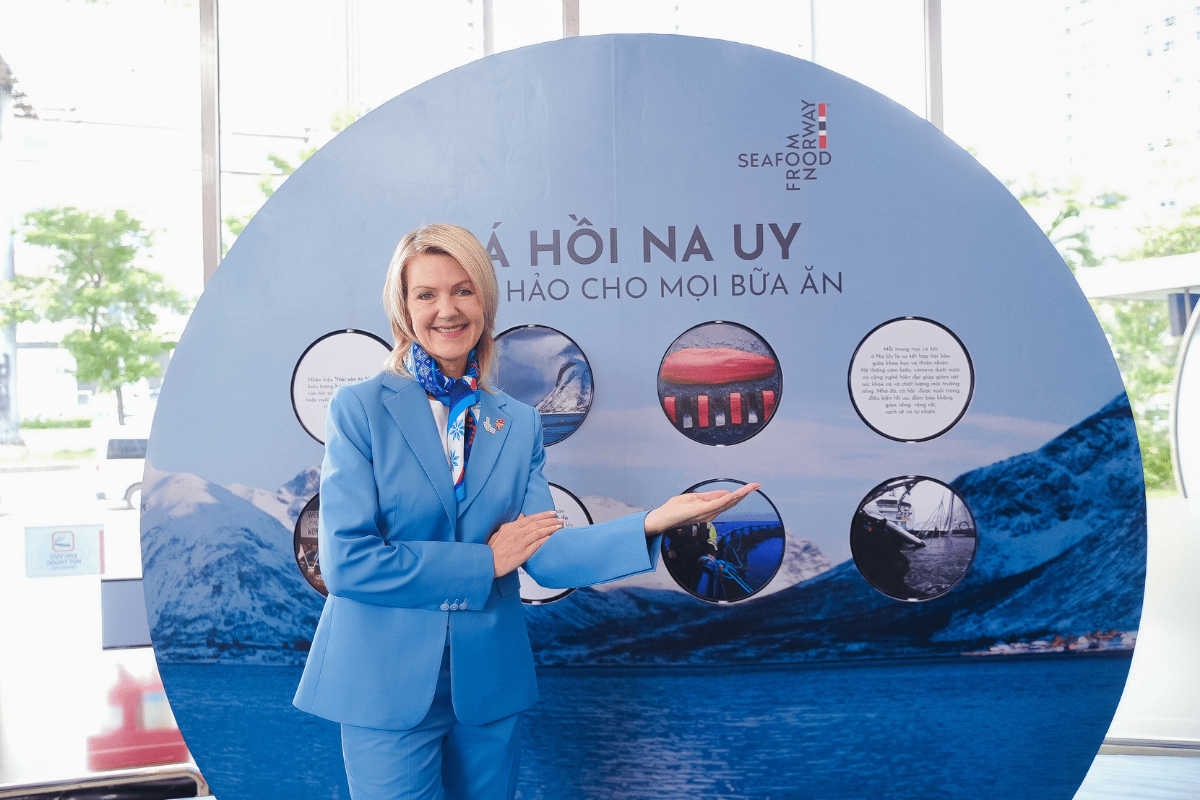
In Vietnam, the campaign brings that history closer to consumers through participating partners including Lotte Mart, Mena Gourmet, Mega Market, Morico, Botejyu and Sushi BON. Following its launch at Lotte Mart Nam Sai Gon on 10 September, special menus, tastings, retail promotions and interactive activities are being introduced nationwide.
Provenance, however, is only part of the story. Norwegian salmon is produced under a tightly controlled food-safety and quality system, with official oversight across the production chain and independent testing of market-ready farmed fish. From processing and chilling in Norway to temperature-controlled transport and distribution in Vietnam, careful handling is designed to preserve the qualities that matter most when salmon is served raw.
.png)
The campaign also arrives at a significant moment in Norway–Vietnam relations. In 2026, the two countries mark 55 years of diplomatic ties, while recently concluded free-trade negotiations between Vietnam and the European Free Trade Association point towards closer commercial exchange. Vietnam’s appetite is already evident: fresh Norwegian salmon exports reached approximately 7,900 tonnes in 2025, up 40 per cent from the previous year.
.png)
For Vietnamese diners, the campaign adds context to an already familiar pleasure. The next piece of salmon sashimi may speak the language of Japan, but its first chapter was written on the Norwegian coast.