From Michelin-starred kitchens in Switzerland to the evolving dining landscape of Vietnam, Steven Hau Wai Yan reflects on the foundations of excellence, the importance of cultural intelligence, and his role in building sustainable hospitality concepts while supporting Vietnamese talent on the global culinary stage.
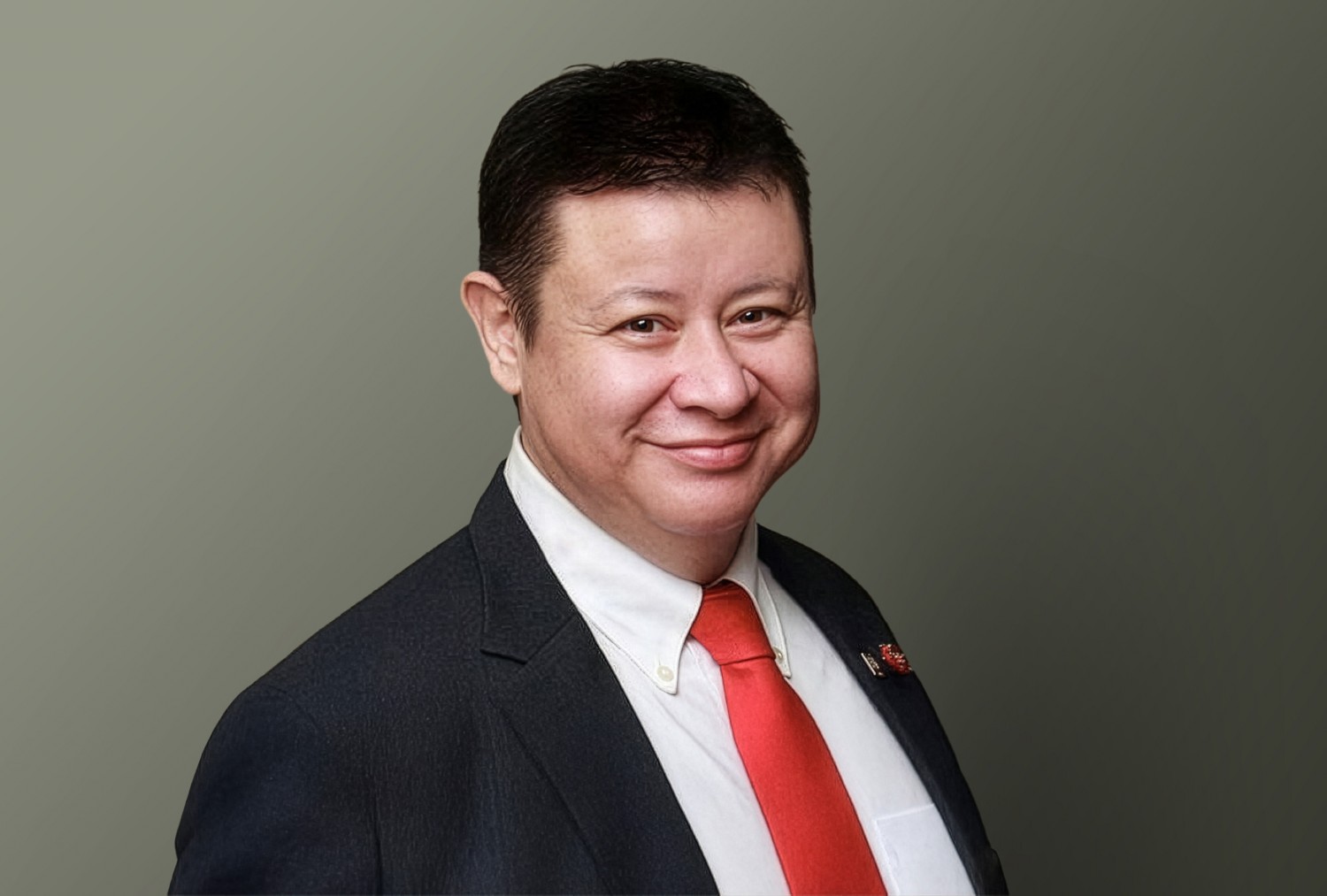
Rooted in precision and shaped by global experience, Steven Hau Wai Yan approaches hospitality as a system rather than an idea. In this conversation, he shares insights on leadership, Vietnam’s rapid transformation, and the discipline required to turn strong concepts into lasting and meaningful experiences.
You studied at EHL Hospitality Business School. How did that experience shape your perspective on hospitality and your approach to leadership today?
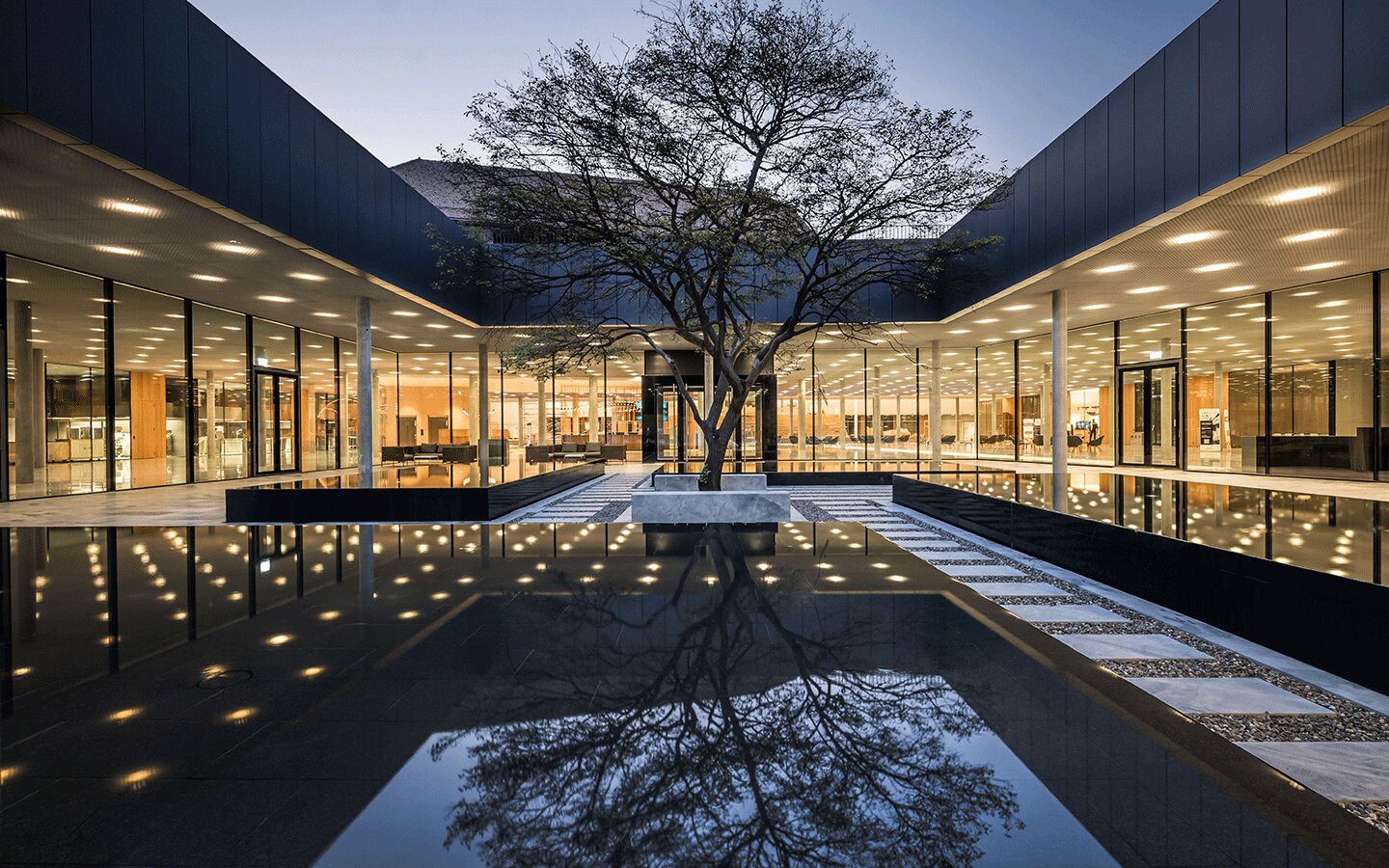
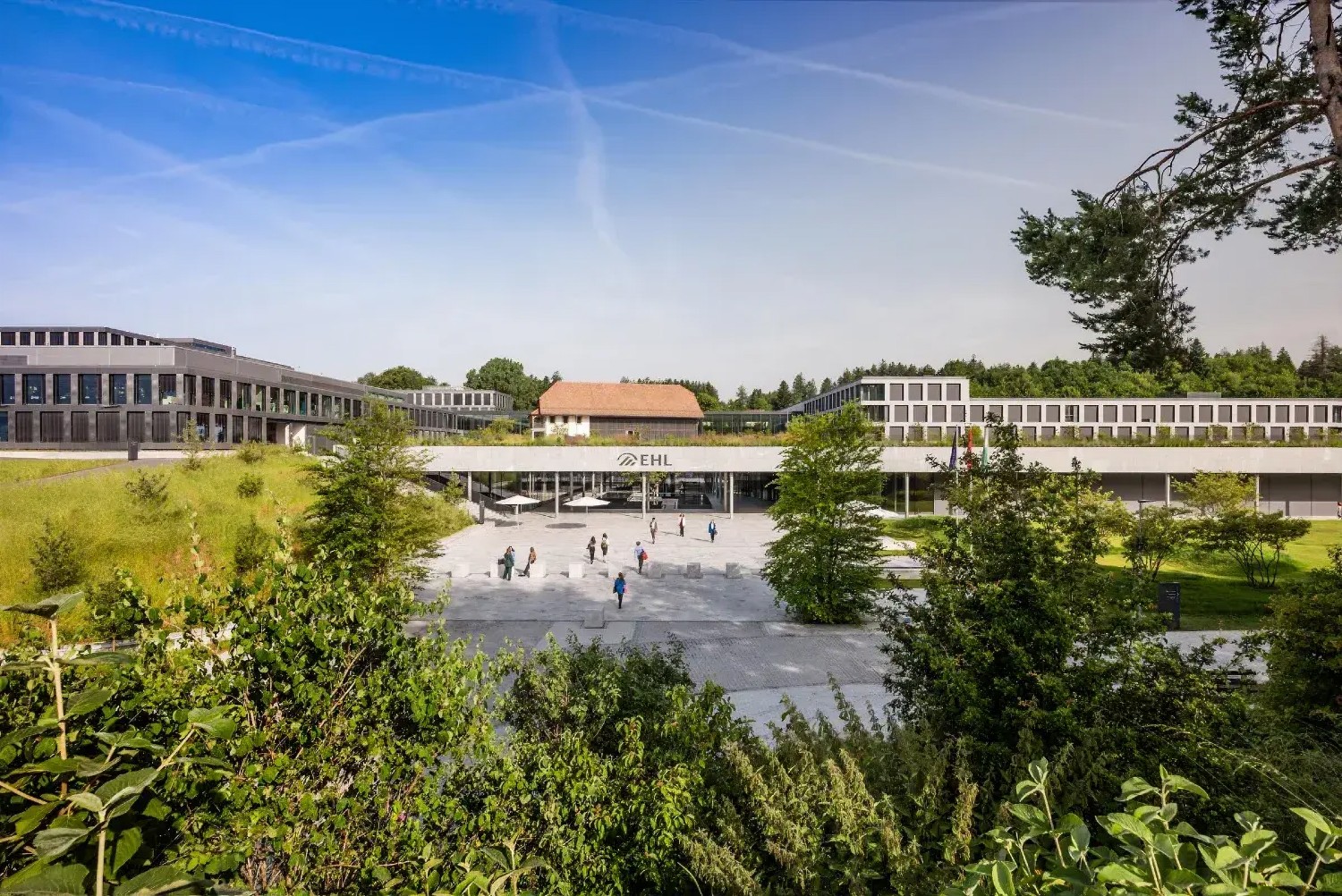
My foundation was built in a three-Michelin-star kitchen in Crissier, Switzerland, where excellence is not negotiable. At Restaurant de l’Hôtel de Ville, under Philippe Rochat, Benoît Violier, and Franck Giovannini, I learned discipline, precision, and what it truly means to operate at the highest level. At EHL Hospitality Business School, that foundation was expanded. It provided a structured understanding of hospitality, not only as operations, but as a complete ecosystem involving finance, brand positioning, human capital, and guest experience design. Later, in Hong Kong with Elite Concepts, mentors such as Paul Hsu and Patrice Gabet further refined my perspective, particularly in understanding the importance of cultural nuance and execution in the Asian market. Today, my leadership is built on three pillars: discipline, structure, and cultural intelligence. Without that alignment, a concept may appear strong—but it will not last.
What key values or disciplines from your time at EHL have stayed with you throughout your career?
The most important discipline is understanding that consistency is designed, not hoped for. Excellence is not simply an outcome— it is a system that must be built and protected. Accountability is another key principle. You are not responsible only for a task—you are responsible for the entire guest experience. Finally, humility in service remains essential. Regardless of position, one must stay connected to the operation. Leadership without operational understanding lacks credibility, and that is something I do not compromise on.
What first drew you to the hospitality industry, and what continues to inspire you after years in the field?
I did not choose hospitality—it was part of how I grew up. My parents operated three Chinese restaurants in Switzerland— Kwong Ming—where refinement, gastronomy, and service excellence were part of everyday life. Combined with our family travels, hospitality was always present. What continues to inspire me is the ability to create something meaningful. Whether it is a dining experience, a strong concept, or a team that takes pride in what they deliver, hospitality at its best creates moments that people remember.
You have chosen to build and grow your career in Vietnam. What inspired that decision, and what did you see in this market early on?
Vietnam presented a rare combination: strong cultural identity, rapid growth, and untapped potential. Early on, I saw a market that was evolving quickly but lacked structure in many areas. For me, it was not only an opportunity to build a career, but also to contribute to shaping an ecosystem.
How do you view Vietnam’s evolution as a hospitality and culinary destination over the past decade?
Vietnam is no longer an emerging market—it is becoming a competitive one. Over the past decade, there has been a clear shift from transactional dining to experience-driven concepts. Guests today expect more—design, storytelling, service, and consistency. The introduction of the Michelin Guide has accelerated this transformation, raising standards, creating recognition, and encouraging both chefs and operators to evolve. The market is maturing, and that is where real competition begins.
From your perspective, what unique strengths and opportunities does Vietnam offer compared to other markets?
Vietnam’s greatest strength lies in its authenticity, its cuisine, its culture, and its people. There is also a strong entrepreneurial energy. The opportunity now is to channel that energy into structure—building brands, raising standards, and creating concepts that can compete both regionally and globally.
HTS Hospitality has supported many brands and operators in Vietnam. Could you share more about the range of services HTS provides and how you work with partners to build and grow successful concepts?
At HTS, our role is very clear: we ensure that a concept works in reality—not only on paper. We support partners across the full lifecycle, from concept creation and branding to operations, recruitment, and performance optimisation. A beautiful concept that does not operate well is not a concept—it is a risk. Our focus is to ensure that creativity is supported by structure, and that ideas translate into sustainable performance.
What differentiates your approach at HTS Hospitality in terms of concept development, operations, and long term brand positioning?
We focus on alignment. Many concepts fail because there is a gap between vision and execution. We ensure that every element—menu, service flow, design, and team structure—works cohesively. A concept only becomes real when execution matches it. Otherwise, it remains an idea. Opening is easy. Building something that lasts is the real work.
You have been actively supporting Bocuse d’Or. What motivated your involvement in this prestigious global platform?
Bocuse d’Or represents excellence at the highest level. My involvement is driven by a desire to support and elevate Vietnamese talent on the global stage. It is not only about competition—it is about building the next generation. I am particularly proud to have contributed to Vietnam reaching the Grand Finale in Lyon in 2025, represented by Vũ Xuân Trường and Nguyễn Quang Tâm. It reflects the country’s growing ambition and potential. Working alongside individuals such as Mr. Sakal Phoeung and Mr. Daniel Nguyen—who are deeply committed to transmission—has also been a strong source of inspiration.
How important is it for Vietnam to be represented on international culinary stages like the Bocuse d’Or, and what impact can this have on local talent?
It is essential. Representation builds visibility, credibility, and ambition. It raises standards locally and inspires the next generation. It also positions Vietnam not only as a destination, but as a serious contributor to the global culinary landscape.
You are also introducing Bistrochat.com as a new restaurant booking platform. What was the vision behind creating it, and how do you see it enhancing the dining ecosystem?
While I am not the creator, I support Bistrochat because of what it enables. It is not simply a booking tool—it brings structure to guest data, reservations, and relationship management. What convinced me is its potential to support data-driven hospitality, helping restaurants better understand their guests and operate more intelligently.

As a member of various Judge and Advisory Boards, how do you approach evaluating excellence in hospitality and dining today?
I look at the full picture: concept clarity, execution, consistency, and guest experience. Creativity is common. Consistency is rare. A key lesson from my time at Elite Concepts in Hong Kong is that true excellence lies in alignment. Every element must be intentional and coherent—from menu to service to atmosphere. A concept only works if it works operationally.
In your view, what defines true quality and distinction when assessing restaurants, chefs, or hospitality concepts?
True quality lies in consistency, authenticity, and attention to detail. Anyone can impress once. Very few can deliver every day.