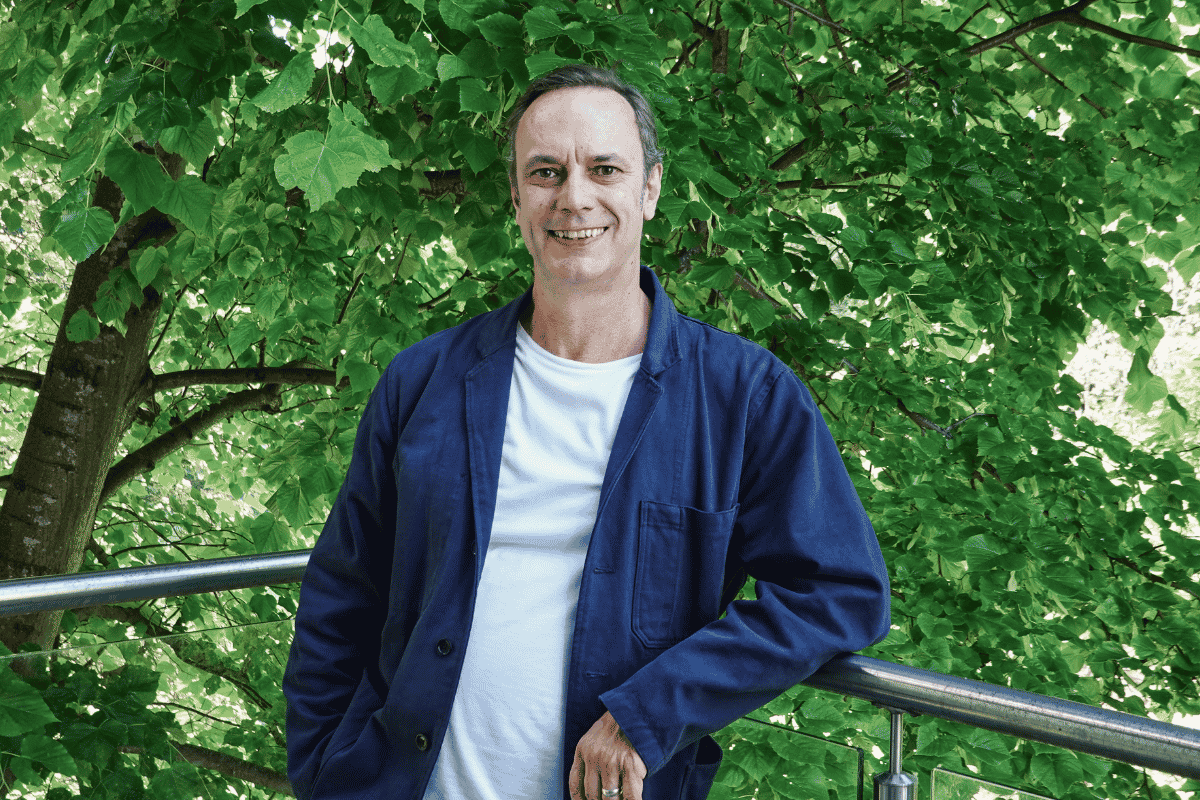
With sustainability now a top priority in hospitality, Terry Blackburn sees the future favouring brands that can clearly show their impact. Through Tuu, he helps hospitality businesses turn their operational data into measurable proof, changing how people understand, share, and trust sustainability efforts.
What inspired you to launch Tuu, and what gap did you identify within the hospitality sustainability landscape?
For years, hospitality businesses have talked about sustainability. Now, it is time to back up those words with real evidence. We saw a gap between the sustainability work hospitality businesses were doing and what they could actually show the market. Many hotels, restaurants, and venues are working to cut energy use, manage water, reduce food waste, and train staff, but most of this information stays buried in spreadsheets, bills, and internal reports. Tuu was set up to turn this operational work into evidence that is independently reviewed and benchmarked, so businesses can use it both commercially and responsibly.
Why is credibility becoming increasingly important for hospitality businesses today?
The market has become far more discerning. Guests, investors, corporate buyers and regulators are increasingly cautious of vague sustainability language and broad, unverified claims. There is a big difference between making your own sustainability claims and having your operations checked by others. With Tuu, data and documents are reviewed by HLB, an international accounting and advisory network, which adds more accountability and discipline to reporting. For corporate buyers, that matters because it provides claims with a documented trail, a defined scope, a reporting period and accountability, rather than asking the market to trust a self-made claim or a general certification badge. Benchmarking adds important context. A single number alone does not say much. But when you link it to a time period, the area of operations, and a review process, the information becomes much more useful.
.png)
How does Tuu shift sustainability away from marketing language towards operational accountability?
Marketing and certifications still matter, but real sustainability is about how a property operates every day. Tuu looks at measurable areas like energy, water, waste, food waste, and staff training. These factors directly affect efficiency, resilience, costs, and longterm business results. It also changes how people communicate within the business. Engineering, housekeeping, food and beverage, events, purchasing, and management all become part of the same evidence-based culture. The focus moves from saying “we care about sustainability” to showing “here is what we measured and reviewed.” The results are designed for real business use. A venue can give an Evidence Pack to a buyer. Sales teams can use approved wording in proposals, and marketing teams can use verified statements instead of broad claims.
Food waste remains one of hospitality’s greatest challenges. Where are operators still underestimating the issue?
Many businesses still think of food waste as only a kitchen problem, but it actually affects forecasting, menu planning, purchasing, storage, buffet design, and guest behaviour. In hotels, the breakfast buffet can show a lot about how well a business manages food waste. When operators start measuring regularly, patterns appear quickly. They often find overproduction at certain stations, forecasting errors, or menu items that result in excess waste. Food waste is about more than just discarded ingredients. It also means wasted labour, water, transport, storage, and energy throughout the supply chain.
.png)
Why is staff behaviour just as important as technology or infrastructure investments?
Hospitality remains a deeply people-driven industry. Technology matters, but in hospitality, the real test is what teams do with it every day. A hotel may invest in efficient infrastructure, but without staff engagement and operational understanding, the long-term impact will remain limited. Sustainability must become embedded in operational culture rather than resting with one department or individual. The best operators naturally incorporate responsible practices into their service culture, ensuring sustainability enhances the guest experience rather than detracts from it.
Many operators worry sustainability reporting may become overly technical. How does Tuu simplify the process?
Hotel teams already have a lot to handle, so reporting should not become another burden. Tuu begins with information hotels already have or can easily collect, then organises it into a clear framework. The goal is not to share raw data publicly or create another report that gets ignored. Instead, it is about turning the right information into reviewed evidence that sales teams, marketing teams, and general managers can use with confidence, such as Evidence Packs, Sales Toolkits, and approved, verified statements.
.png)
How do you see sustainability influencing the future competitiveness of hospitality brands?
Sustainability is now a much more significant part of procurement and commercial evaluation. Corporate buyers, event planners, and investors are asking more detailed questions about energy use, waste management, sourcing, and responsible operations. Hotels and venues that can respond with independently reviewed evidence will be in a stronger position than those relying on broad sustainability language. In MICE, this really matters because sustainability questions are now part of the main conversation, not just something added at the end of a proposal.
What opportunities does Vietnam have within sustainable hospitality?
Vietnam already stands out for its incredible hospitality, thanks to its food, culture, coastlines, and fast-growing tourism sector. As Vietnam attracts more international business and luxury travellers, along with increased MICE activity, corporate buyers, event planners, and travel partners will expect clearer, verified proof to back sustainability claims. Vietnam has a great opportunity to establish these systems early and continue building its reputation as one of Asia’s most dynamic hospitality destinations.
.png)
Looking ahead, what major changes will redefine sustainable hospitality over the next decade?
The most significant shift will be that sustainability evidence becomes normal business practice rather than a separate initiative. Sustainability data will be much more closely linked to procurement, financing, owner reports, event planning, and brand reputation. There will also be much more scrutiny of sustainability claims, so having independently reviewed evidence and clear operations will be even more important.
Before Tuu, you founded the Asia Property Awards. What lessons from that experience continue to influence you today?
The Asia Property Awards taught me that building credibility takes a long time, but it can be lost very quickly. Developers sponsors, judges, and media partners had to trust that the platform was run with integrity, consistency, and good governance. That lesson still guides Tuu today. If businesses want the market to trust their sustainability claims, the evidence must be well-structured and accountable.
.png)
Has your personal perspective on luxury and success evolved over time?
Absolutely. These days, I am much less impressed by excess just for the sake of it. The hospitality experiences I remember most have a strong sense of place, thoughtfulness, restraint, and care. Luxury does not have to feel wasteful to be meaningful. More and more, I define success by usefulness. For me, that means building platforms that help industries become more transparent, credible, and better prepared for the future.”
Beyond business itself, what continues to inspire you most about hospitality today?
What still inspires me is all the behind-the-scenes work that goes into creating a truly great hospitality experience. Behind every memorable hotel stay, restaurant, or event are teams making hundreds of decisions every day, many of which affect sustainability. The best people in hospitality are practical optimists. They balance pressure, guest expectations, and daily realities while still caring deeply about service, food, culture, and people. Hospitality has always been good at creating memorable stories. The next step is to make sure those stories are backed by evidence people can truly trust.