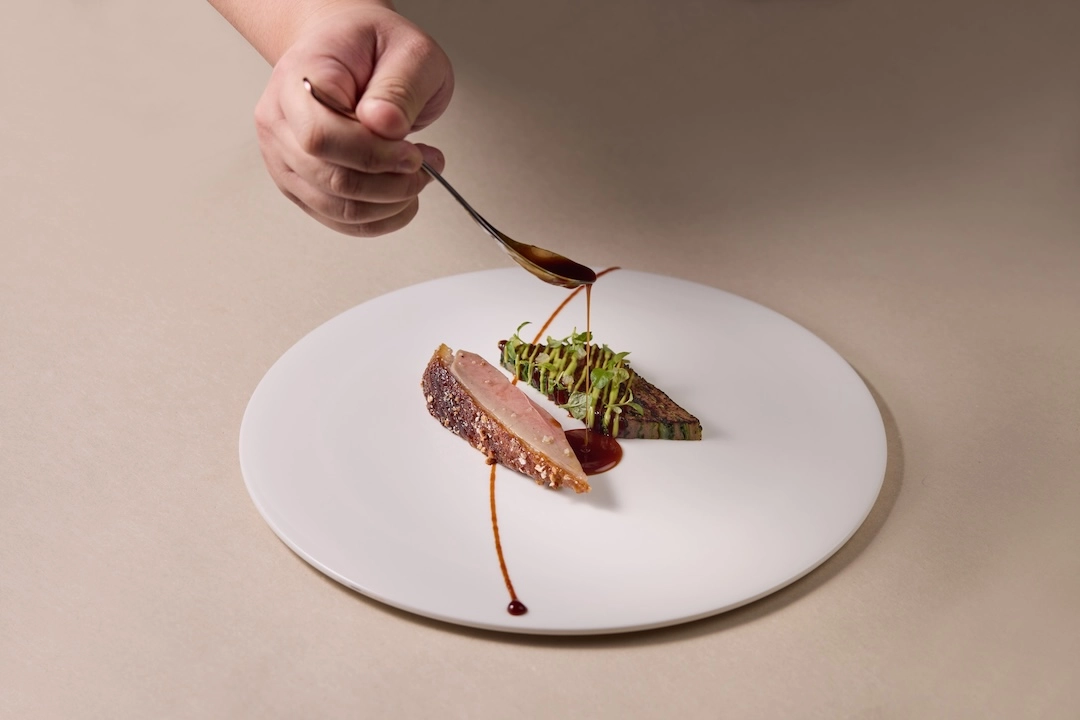
In Hong Kong, fine dining has long been defined by refinement, but within Cantonese cuisine, its true expression lies not in spectacle, but in restraint. Today, a new generation of chefs is reshaping that philosophy, guiding it into a contemporary era where tradition is neither preserved nor disrupted, but thoughtfully reinterpreted.
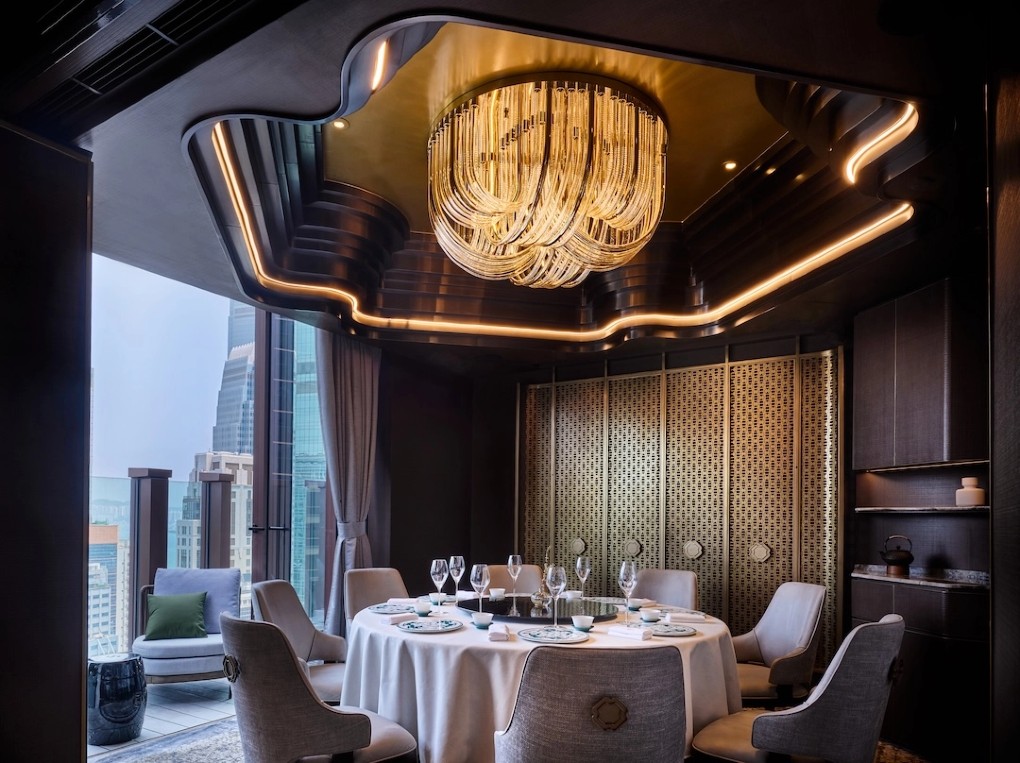
This new wave is less about theatrics and more about clarity of flavor, seasonality, and the quiet mastery of technique. At Wing, chef Vicky Cheng crafts a deeply personal narrative, drawing from the eight great Chinese culinary traditions while layering subtle European sensibilities. The result is a dining experience that feels both rooted and fluid, where dishes retain their soul yet move with modern elegance.
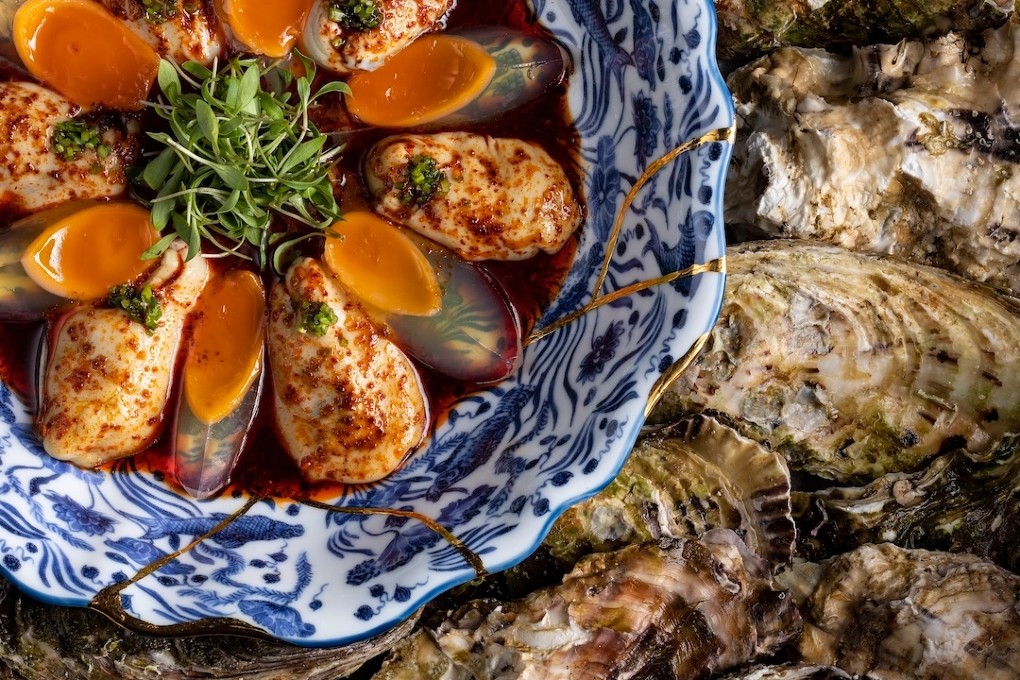
At Ebauche, chef Antonio Au approaches Cantonese flavors through the lens of French discipline. His tasting menus read like sketches in motion, where familiar ingredients—fermented tofu, preserved greens—are reimagined with precision and unexpected harmony. It is a dialogue between cultures, one that feels intimate rather than imposed.
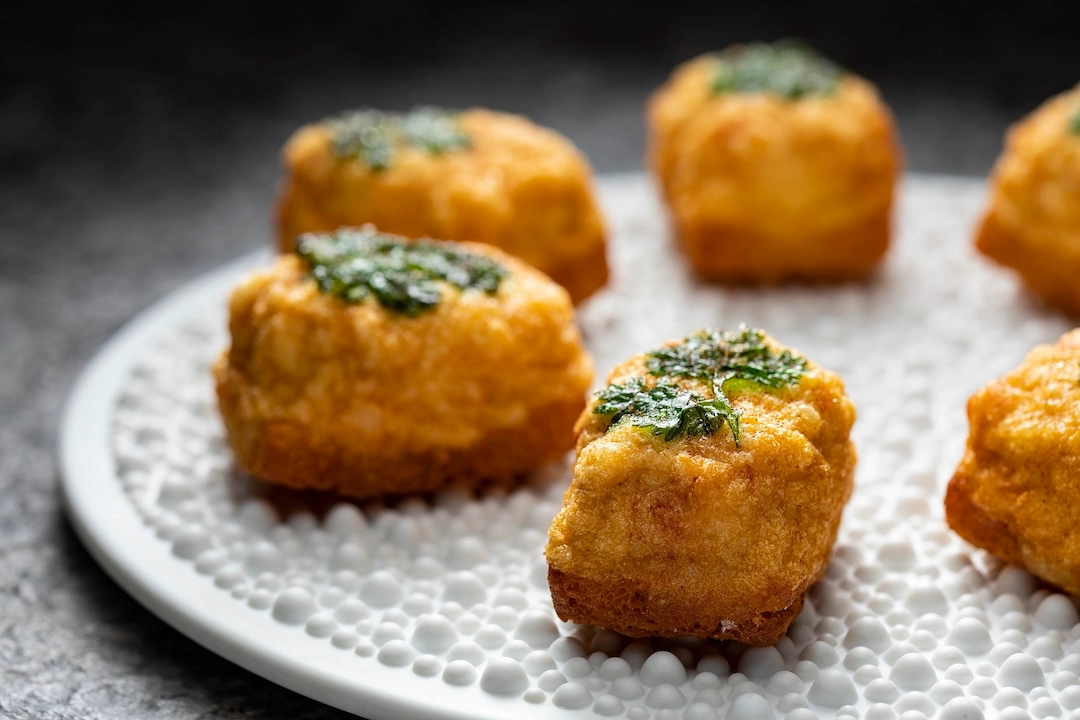
Meanwhile, Path strips the experience down to its essence. With only a handful of seats, chef Tony Mok invites diners into a more contemplative space. Here, Cantonese techniques meet playful reinterpretations, as seen in dishes like chilled dan dan noodles elevated with delicate seafood notes and textural nuance.
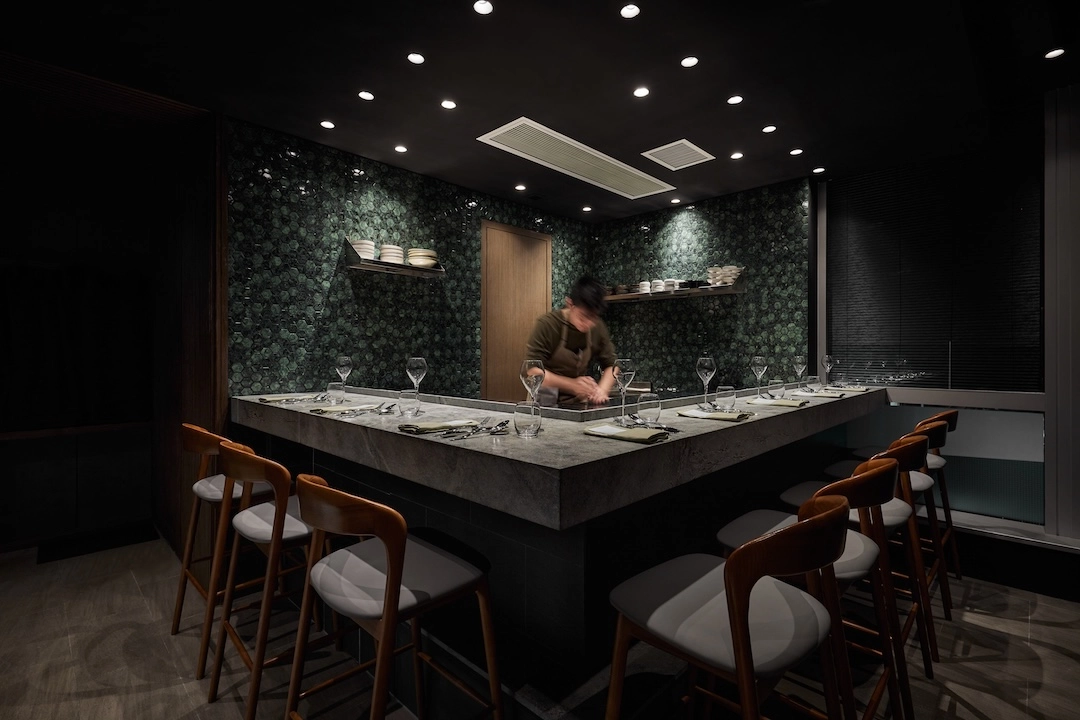
At Jee, collaboration defines the vision. A meeting of generations and expertise, the restaurant refines Cantonese cuisine into something almost weightless in presentation, yet deeply complex in flavor. Ingredients are treated with reverence, their natural character preserved while quietly elevated.
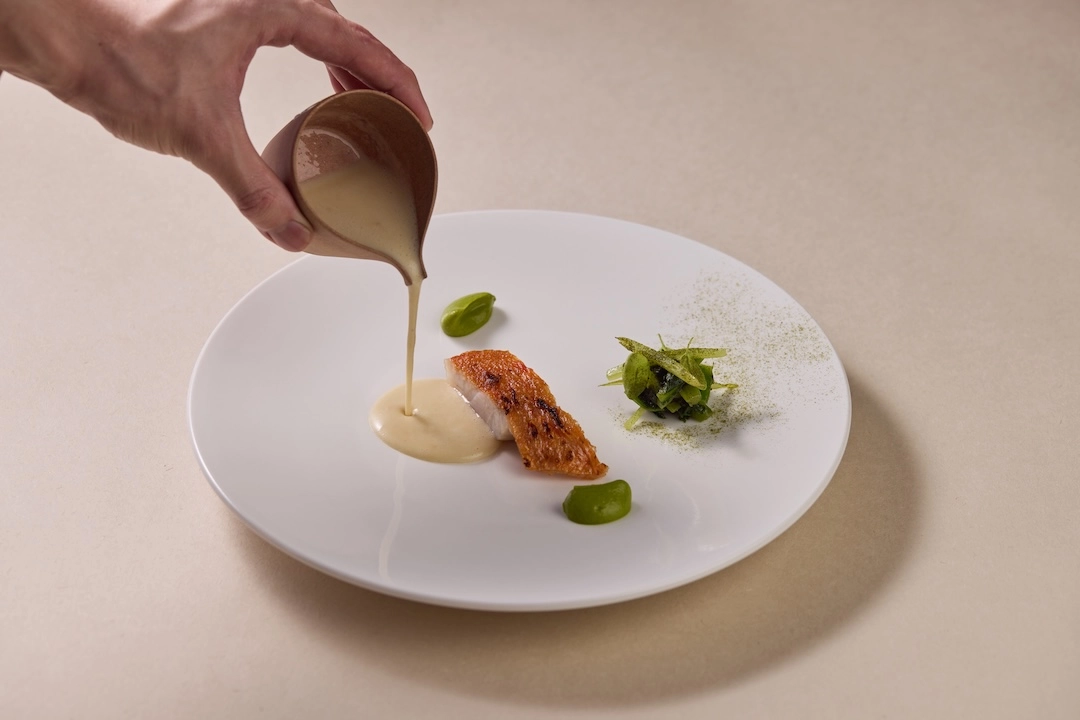
What unites these spaces is intention. Hong Kong’s modern Cantonese dining is not about reinvention for its own sake, but about rediscovery—of balance, of memory, and of the quiet luxury found in precision.