For Chef Jonathan Koh, cooking has always been deeply tied to memory, emotion, and human connection. From humble family kitchens to Michelin starred restaurants in France and the evolving identity of VOYAGE in Saigon, his cuisine reflects a philosophy where refinement is expressed not through excess, but through sincerity, balance, and feeling.
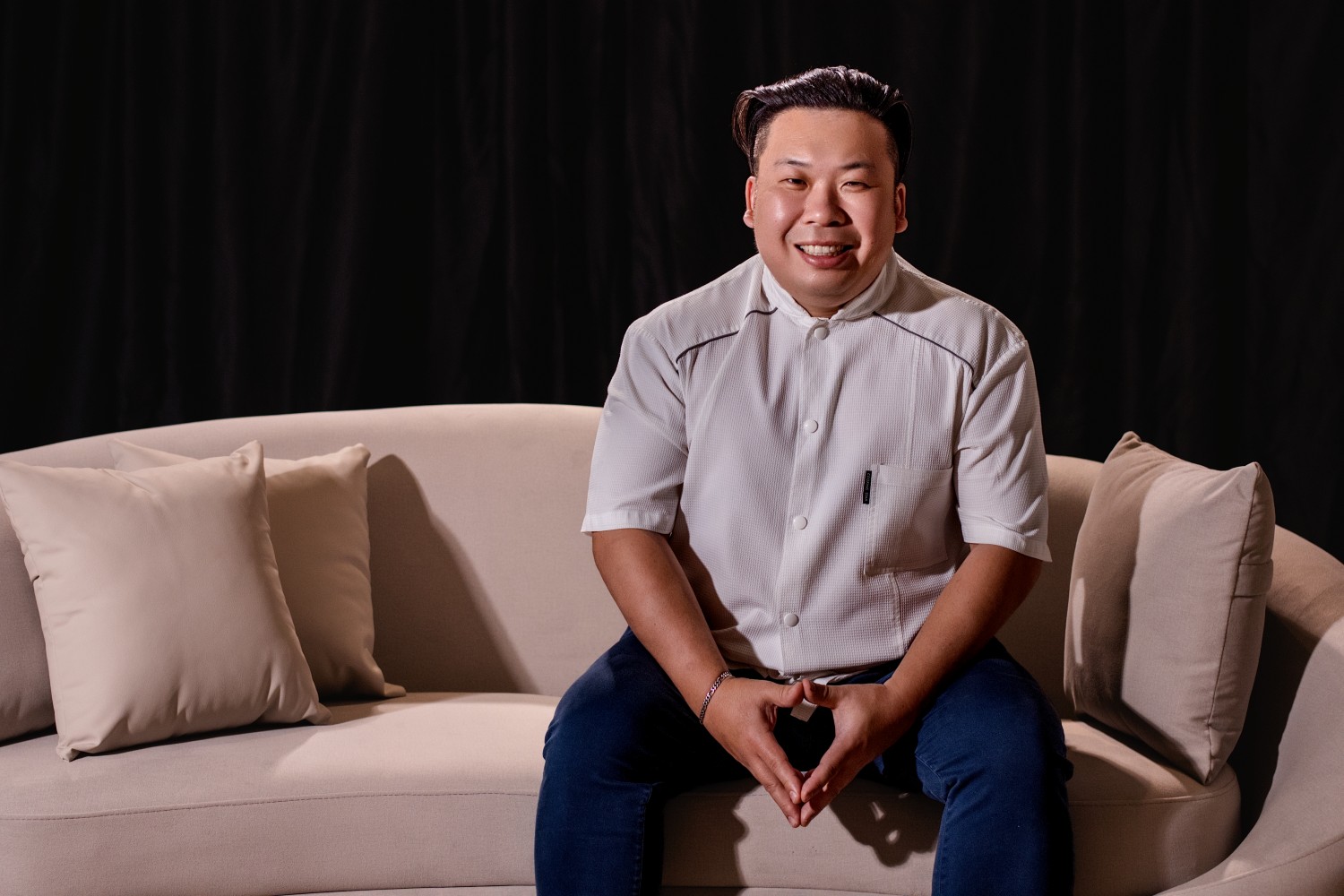
For Chef Jonathan Koh, food has never existed separately from emotion. Long before technique, fine dining, or Michelin starred kitchens entered his life, his understanding of hospitality was shaped by the quiet rituals of family cooking, the rhythm of humble kitchens, and the warmth of meals shared across generations. Raised within a family carrying four generations of culinary tradition, his earliest memories of food were rooted not in luxury, but in care, generosity, and human connection.
Those early experiences continue to shape his philosophy today. Whether working in prestigious kitchens across France and Singapore or leading the evolving culinary identity of VOYAGE in Saigon, Jonathan Koh approaches cuisine with a sensitivity that feels both deeply personal and quietly refined. His dishes are not designed simply to impress through complexity or technique alone, but to evoke memories, emotions, and moments of intimacy that linger long after the final course.
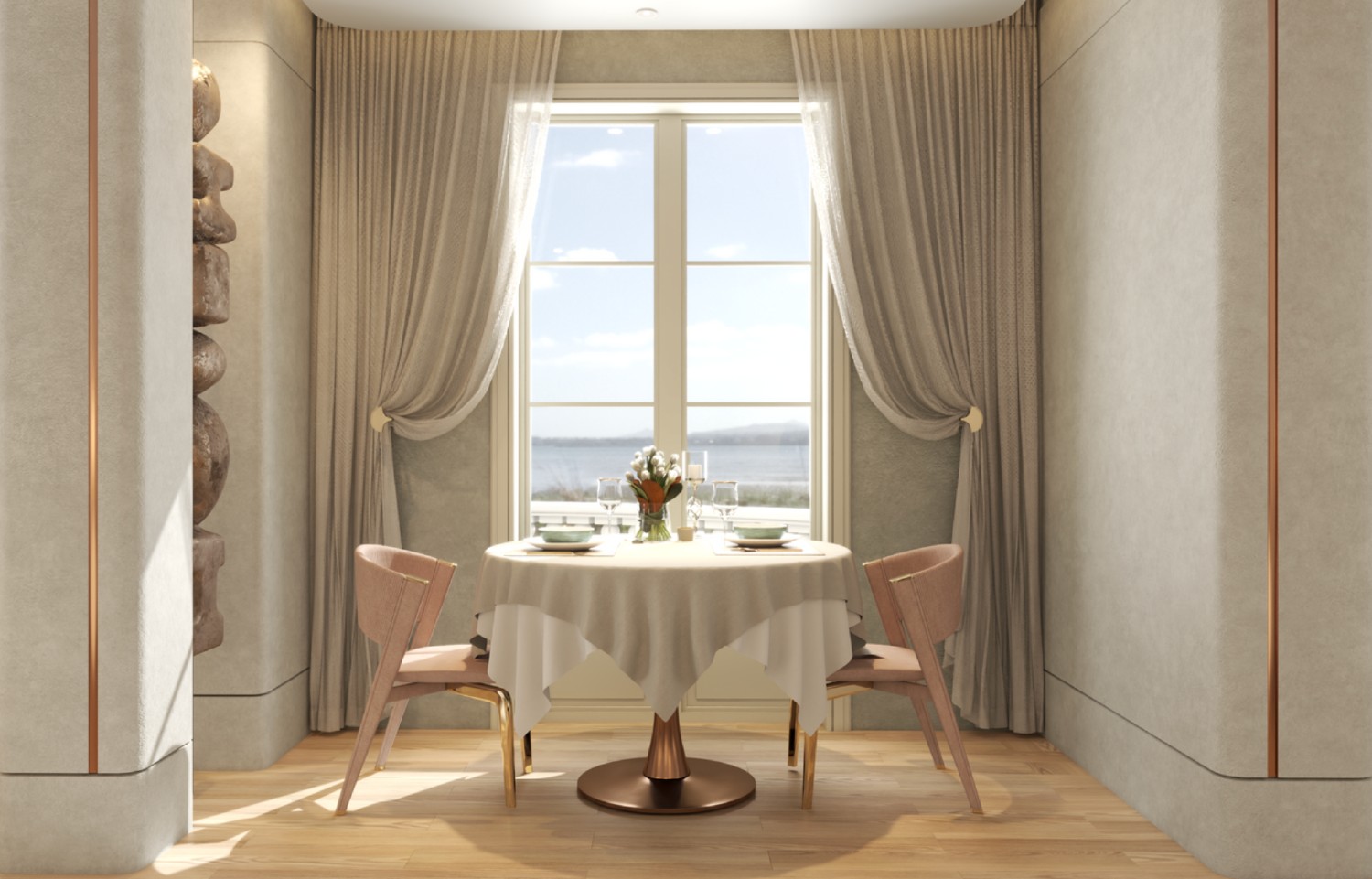
At VOYAGE, seasonality, restraint, and atmosphere exist in careful harmony. Ingredients sourced from around the world are treated with respect and clarity, while the restaurant itself has been designed as a calm and intimate environment where guests are encouraged to slow down and fully immerse themselves in the experience. For Koh, refinement is never about excess. It is about intention. Every ingredient, every flavour, every detail must carry meaning.
In conversation with Epicure Vietnam, Chef Jonathan Koh reflects on childhood memories, the emotional language of cuisine, the influence of Michelin starred kitchens, and how VOYAGE continues to evolve through the energy and creativity of Saigon’s dining scene.
Growing up in a family with four generations in the culinary world, what are some of your earliest memories of food that continue to influence your cooking today?
Some of my earliest memories are honestly very simple ones, being around busy kitchens, watching my family prepare food from early morning until late at night, and seeing how much care went into serving people. Food was always a way of bringing people together in my family. Even today, that feeling still influences the way I cook. No matter how refined a dish becomes, I still want it to feel warm, personal, and comforting in some way.
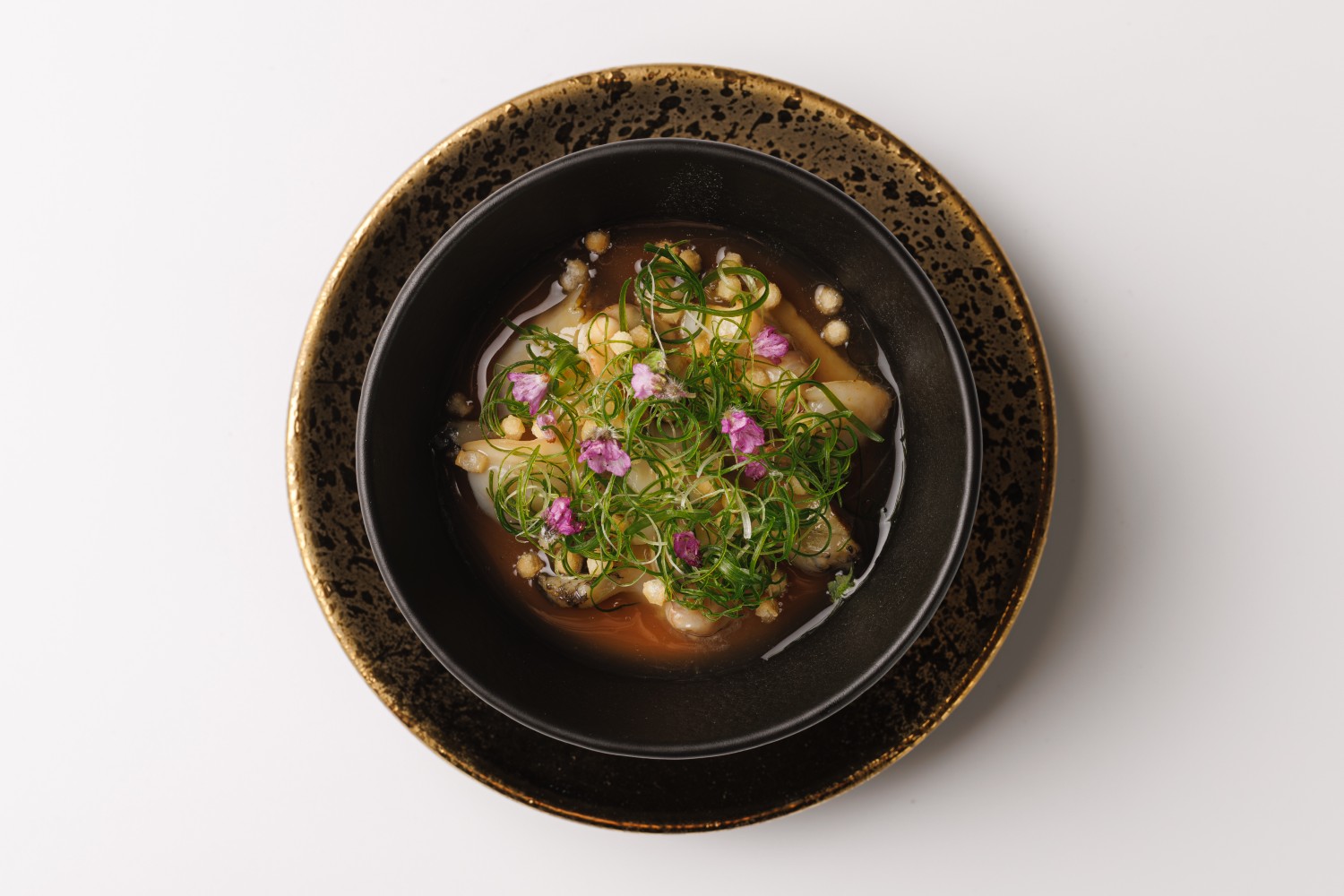
You mentioned your grandmother’s hawker stall as an important beginning. How did those humble early experiences shape your understanding of hospitality and flavour?
My grandmother’s hawker stall taught me that hospitality is really about making people feel welcome and cared for. There was nothing luxurious about the setting, but people kept coming back because the food felt honest and heartfelt. I think that stayed with me. Great flavour does not need to be complicated. It simply needs to feel genuine and balanced.
Before technique came into focus, you developed a deep respect for ingredients. What does “respecting an ingredient” truly mean to you today?
For me, respecting an ingredient means understanding what makes it special before trying to change it too much. Sometimes the best thing a chef can do is step back and allow the ingredient to speak for itself. Good produce already carries so much character naturally. Our role is simply to highlight it in the most thoughtful and honest way possible.
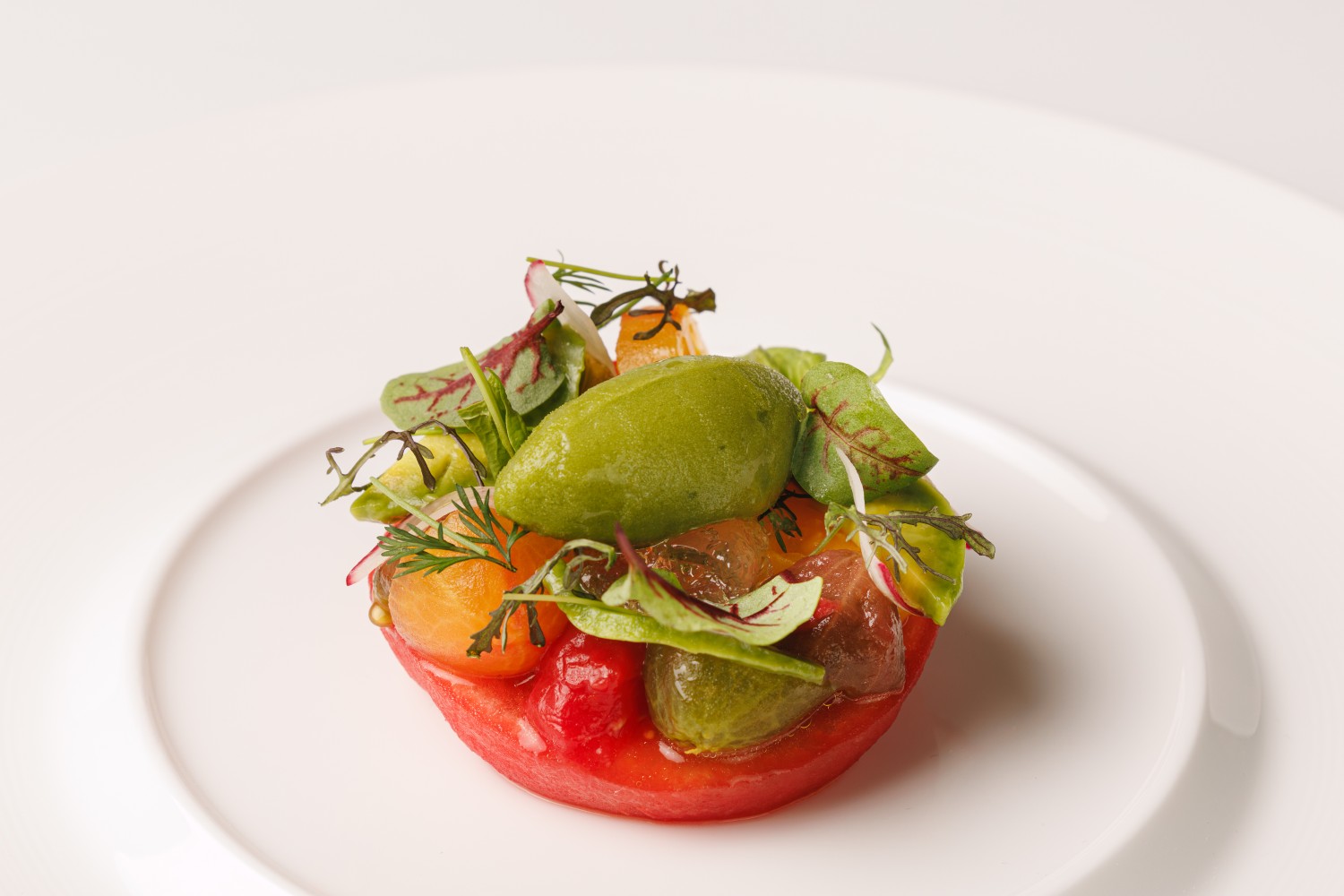
Your journey includes working alongside Michelin starred chefs and prestigious restaurants across France and Singapore. Which experiences most profoundly changed your philosophy as a chef?
Working in France completely changed my perspective. The discipline and attention to detail were incredibly intense, but it also taught me the beauty of simplicity and restraint. Then in Singapore, I learned how to balance technical precision with creating an experience that still feels approachable and emotional. Those experiences continue to shape how I think about cuisine today.
VOYAGE began in Singapore in 2019 and has now evolved into a new chapter in Saigon. What inspired this transition, and how has the city influenced your creative direction?
Singapore was where VOYAGE first discovered its identity, and those years were very important for the restaurant. Moving to Saigon felt exciting because the city carries so much energy, creativity, and curiosity around food. The ingredients, culture, and pace of life here naturally started influencing the way I think about flavours and dining experiences. VOYAGE feels more expressive here in many ways.
You often speak about cuisine through the lens of memory and emotion. How do personal experiences become translated into dishes on the plate?
A lot of dishes begin with a memory or feeling rather than a technical concept. Sometimes it comes from childhood, a place I visited, or even simply a mood I want to create. From there, I slowly build flavours and textures around that emotion. I believe food becomes far more meaningful when it carries a story behind it.
VOYAGE places strong emphasis on seasonality and ingredients sourced from around the world. How do you balance global influences while maintaining a cohesive culinary identity?
I think the key is intention. Ingredients may come from different places, but the philosophy behind the dish always remains consistent. I am never combining elements simply to be different. Everything needs to feel naturally connected and emotionally coherent on the plate.
Many chefs describe dishes through flavour or technique, but you describe them almost like stories. What makes a dish meaningful enough to be served at VOYAGE?
For me, a dish becomes meaningful when it creates some kind of emotional response or lasting memory. Technique is important, of course, but technique alone is never enough. I always ask myself whether the dish says something personal or leaves a feeling that stays with the guest after the experience ends.
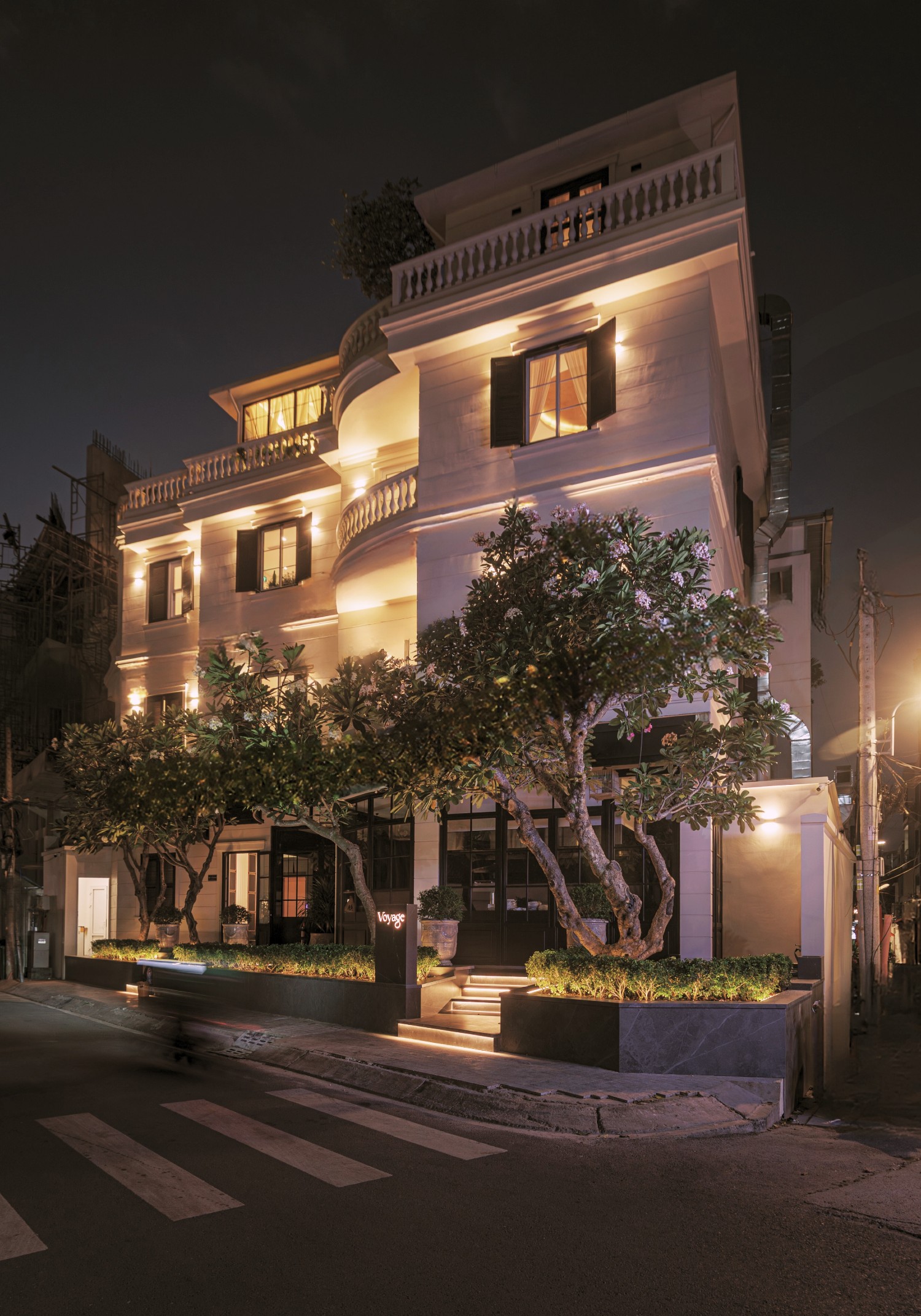
The atmosphere of VOYAGE feels intentionally calm and intimate. How important is the emotional environment of a restaurant to the overall dining experience?
Very important. Dining is never only about food. It is about how people feel during those few hours. Lighting, music, pacing, service, and atmosphere all shape the emotional experience. We wanted VOYAGE to feel calm and welcoming, somewhere guests can slow down, disconnect from the outside world, and truly enjoy the present moment.
You describe refinement as something expressed “with intention rather than excess.” How does that philosophy shape both your cuisine and the design of the restaurant?
I believe refinement comes from clarity and purpose rather than adding more and more elements. In the cuisine, every ingredient should have a reason to exist. In the restaurant design, we wanted the same feeling: elegant, comfortable, and understated without ever becoming overwhelming. Sometimes restraint creates the strongest emotional impression.
In today’s fine dining landscape, diners increasingly search for authenticity and connection. What experience do you hope guests leave with after dining at VOYAGE?
I hope guests leave feeling they experienced something sincere. Of course, we want them to enjoy the food, but more importantly, I want them to remember how the evening made them feel: relaxed, connected, and genuinely cared for. Those emotional memories are what stay with people the longest.
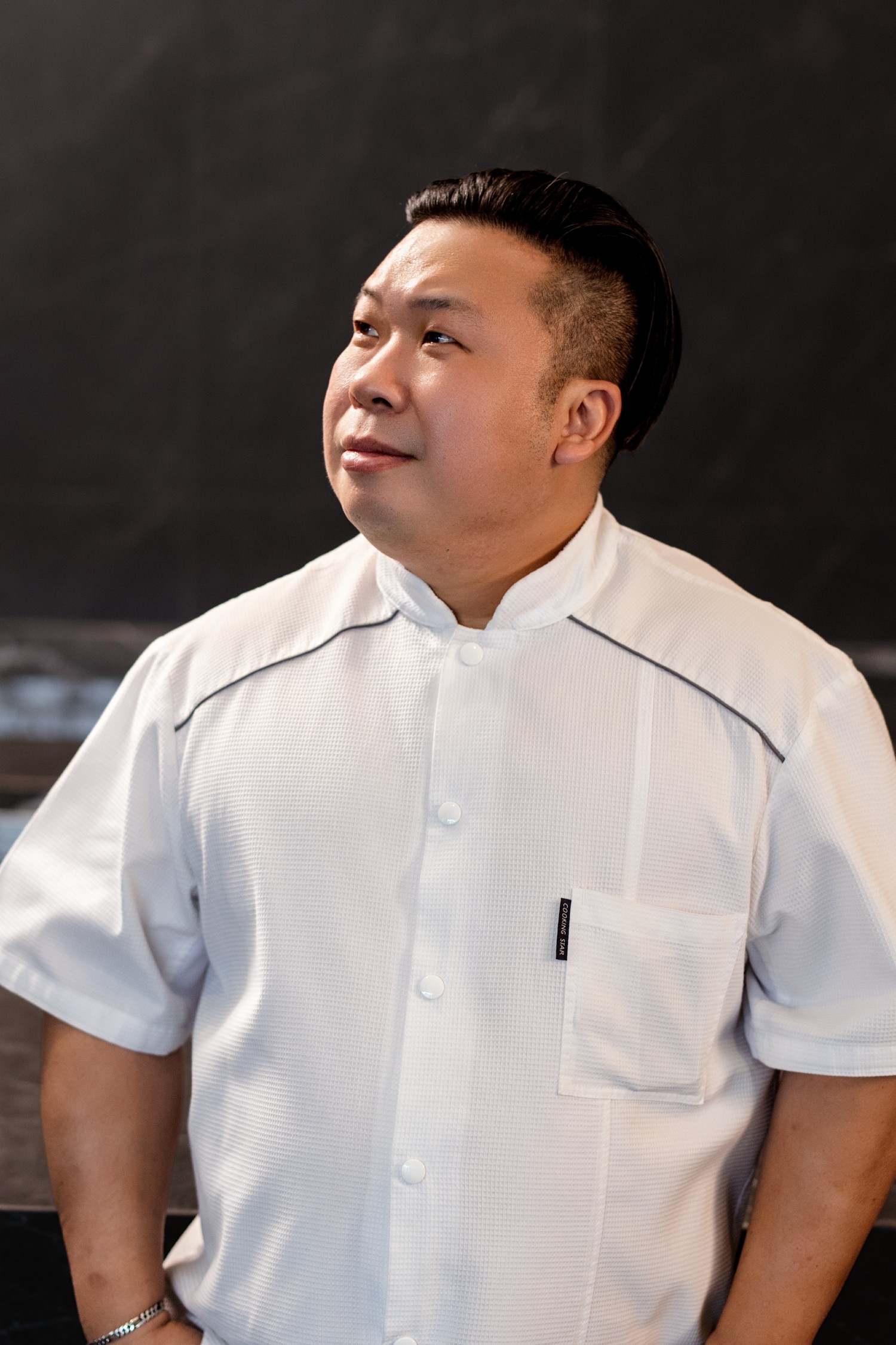
Your menus evolve with “the rhythm of the earth.” Can you share more about how seasonality guides your creative process throughout the year?
Seasonality keeps creativity alive because ingredients are constantly changing. Different seasons naturally inspire different moods, textures, and flavours. Rather than forcing ideas onto the menu, I prefer to let the ingredients guide the direction organically. It keeps the cuisine feeling fresh, emotional, and alive throughout the year.