In a world increasingly attuned to balance and wellbeing, non-alcoholic wine is emerging not as a compromise, but as a redefinition of indulgence. Once dismissed by purists, this evolving category is now finding its place at the modern table, shaped by shifting lifestyles and a more conscious approach to consumption.
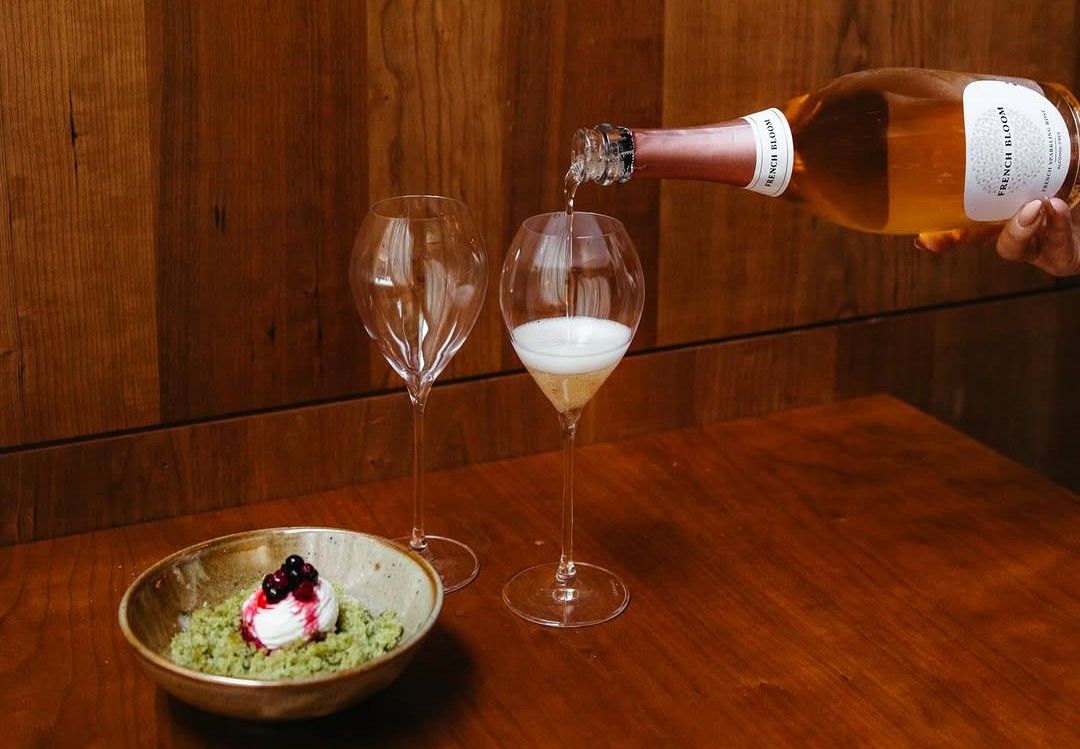
Producers such as French Bloom are leading this transformation, crafting sparkling cuvées that appeal to a new generation of drinkers. Backed by LVMH and present on global stages like Formula One, the brand signals a growing legitimacy for alcohol-free alternatives within luxury culture. What was once niche is now aspirational.
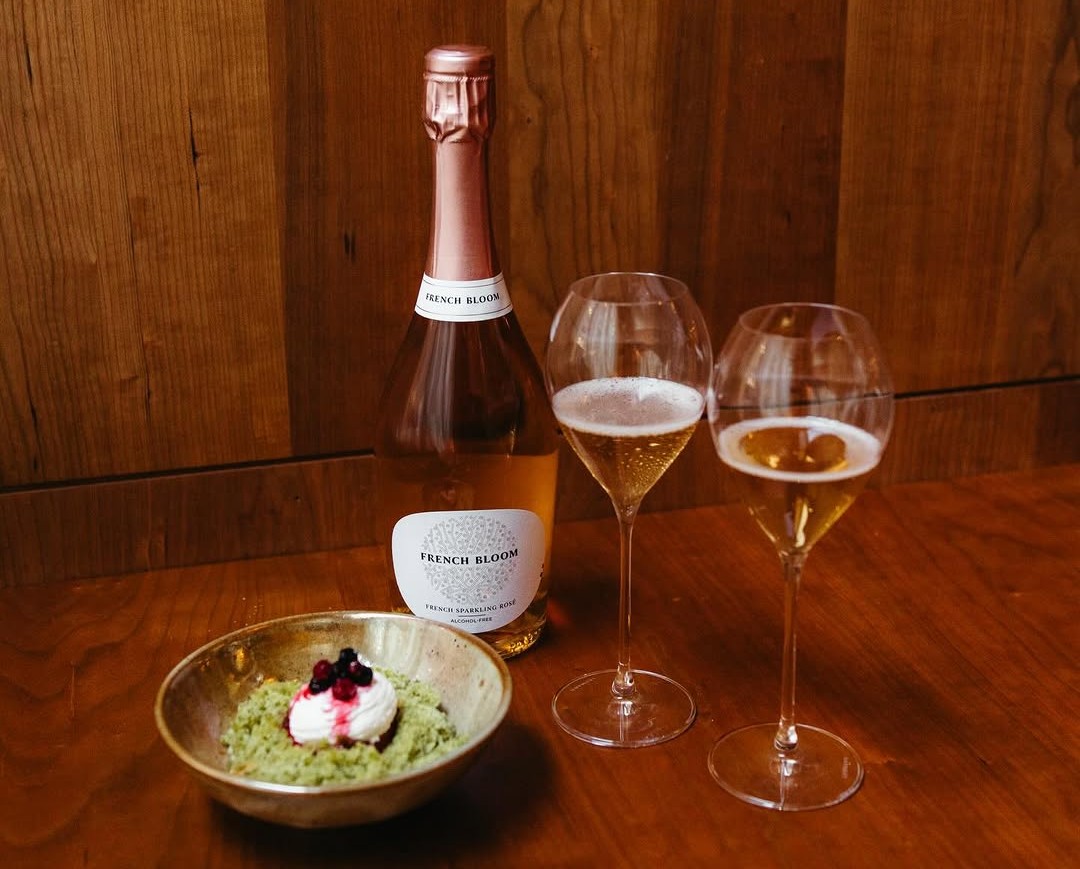
At the heart of this movement lies a broader cultural shift. Younger consumers are drinking less, while others—whether for health, religion, or personal choice—are seeking refined alternatives that do not sacrifice ritual or experience. The appeal is no longer simply about abstaining from alcohol, but about preserving the pleasure of the moment.
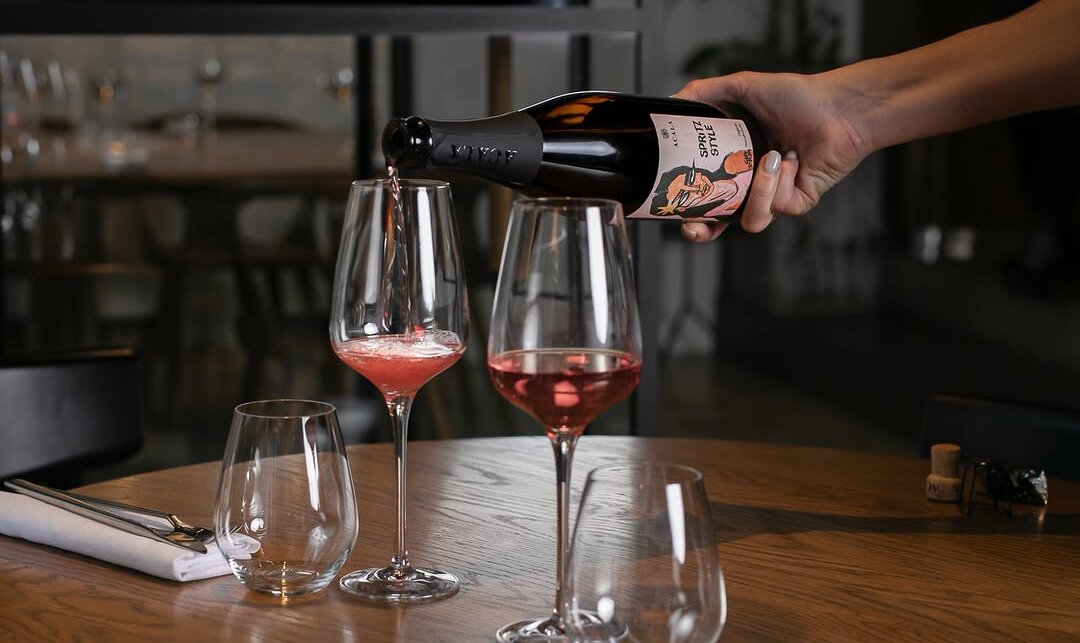
Yet the journey has not been without challenges. Traditional de-alcoholisation methods often strip wine of its aromatic depth, leaving behind a product that lacks structure and complexity. In response, a new wave of innovation is reshaping the category. Companies like Benchmark Drinks are experimenting beyond convention, blending grape juice with tea infusions to recreate tannins and layered flavour profiles.
Elsewhere, producers are embracing entirely new identities, crafting beverages that sit somewhere between wine and gastronomy. Sparkling teas and botanical blends are redefining what a “wine-like” experience can be, less about imitation, more about interpretation.
Non-alcoholic wine is still evolving, but its direction is clear. It reflects a generation that values nuance over excess, intention over habit. In this new landscape, the absence of alcohol is no longer a limitation, but an invitation to taste differently.